
Urine accidents on carpet are common in households with pets, young children, or during illness. Left untreated, these incidents can lead to persistent stains, foul odors, and even permanent carpet damage. The key to successful cleanup lies in immediate action, proper technique, and understanding the science behind urine breakdown. This guide provides practical, tested strategies to eliminate both visible stains and invisible odors—safely and effectively.
Why Urine Is Difficult to Remove
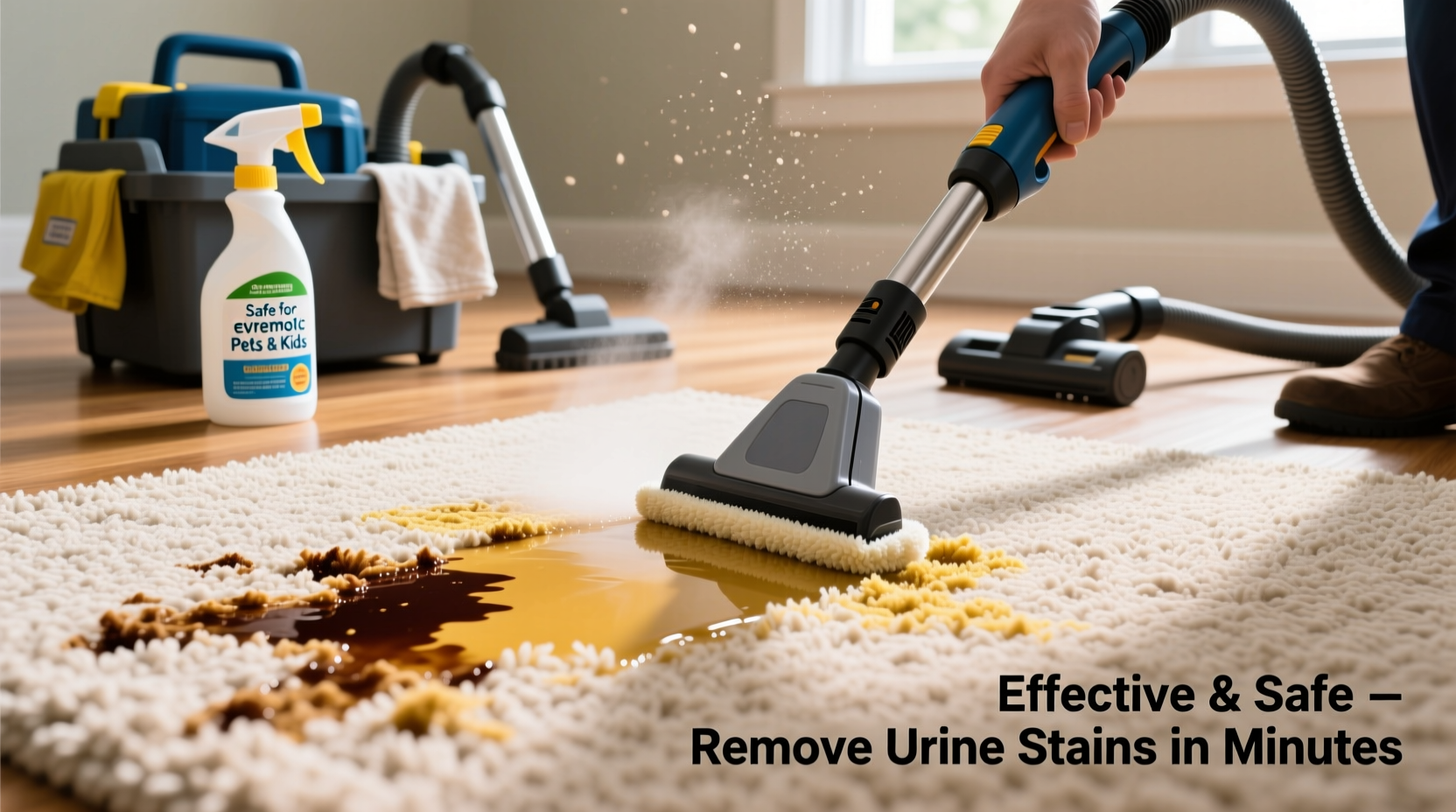
Urine isn’t just water; it contains urea, uric acid, creatinine, and other organic compounds. When left on carpet, especially in humid conditions, bacteria break down these components, producing ammonia-like odors. Uric acid crystallizes and binds tightly to carpet fibers and padding, making it resistant to standard cleaning. Surface-level blotting won’t solve the issue—deep penetration of cleaning agents is essential for complete removal.
“Many people think a quick vacuum or spot cleaner will fix the problem, but without addressing the uric acid crystals beneath the surface, the smell will return.” — Dr. Linda Harper, Environmental Microbiologist
Immediate Response: What to Do First
The first few minutes after an accident are critical. Quick action prevents deep soaking and minimizes odor development.
- Blot, don’t rub: Use a clean, absorbent cloth or paper towel to press firmly on the area. Rubbing spreads the liquid and pushes it deeper.
- Remove excess moisture: If possible, use a wet-dry vacuum to extract as much liquid as you can.
- Avoid heat: Do not use steam cleaners or hair dryers at this stage. Heat activates odor-causing bacteria and sets stains.
- Isolate the area: Keep pets and children away to prevent re-soiling or tracking residue elsewhere.
Effective Cleaning Solutions and Methods
Different situations call for different approaches. Whether you're dealing with fresh pet urine or an old stain that’s resurfaced, here are the most reliable techniques.
1. Vinegar and Baking Soda (Natural Method)
This combination neutralizes odors and lifts stains through mild acidity and effervescence.
- Mix 1 part white vinegar with 1 part water.
- Pour over the affected area to saturate the carpet and padding below.
- Wait 5–10 minutes for the vinegar to neutralize the pH.
- Sprinkle a generous layer of baking soda over the damp area.
- Let sit for at least 1 hour (longer for strong odors).
- Vacuum thoroughly.
2. Enzyme-Based Cleaners (Most Effective for Organic Stains)
Enzyme cleaners contain live bacteria that digest uric acid and other organic matter. They are the gold standard for pet urine cleanup.
- Apply generously to saturate the area.
- Cover with plastic wrap to maintain moisture and prevent evaporation.
- Wait 24 hours before walking on the carpet.
- Do not shampoo or rinse until fully dry—this kills active enzymes.
3. Hydrogen Peroxide Solution (For Tough Stains)
A 3% hydrogen peroxide solution breaks down uric acid and acts as a disinfectant. Use with caution on colored carpets.
- Mix ½ cup hydrogen peroxide with 1 teaspoon dish soap.
- Apply to the stain and let sit for 20 minutes.
- Blot and rinse with cold water.
- Test on a hidden area first—peroxide can bleach some dyes.
Do’s and Don’ts: Best Practices Summary
| Do’s | Don’ts |
|---|---|
| Act immediately after the incident | Delay cleaning—time worsens the problem |
| Use cold water for initial cleanup | Use hot water—it sets the stain |
| Choose enzyme cleaners for pet accidents | Rely solely on ammonia-based cleaners—they mimic urine scent and attract pets back |
| Test any solution on a hidden area first | Apply undiluted chemicals directly to carpet |
| Allow full drying time before replacing furniture | Seal in moisture with rugs or pads too soon |
Real Example: Resolving a Recurring Cat Urine Issue
Sarah from Portland had a recurring problem with her cat marking the same corner of the living room carpet. Despite repeated cleanings with store-bought sprays, the odor returned within days. She switched to a veterinary-recommended enzyme cleaner, applied it deeply into the padding, and covered the area with a weighted plastic sheet overnight. After two applications spaced three days apart, the behavior stopped. A follow-up visit from a pet behaviorist confirmed the cat was no longer attracted to the spot because all trace odors were gone.
This case illustrates that animals often return to the same spot due to residual scent—not defiance. Eliminating the odor at the molecular level changes their behavior.
Step-by-Step Timeline for Deep Odor Removal
For older or stubborn stains, follow this structured timeline:
- Day 1 – Initial Cleanup: Blot, apply vinegar solution, then baking soda. Vacuum after drying.
- Day 2 – Enzyme Treatment: Saturate the area with enzyme cleaner. Cover and leave undisturbed for 24 hours.
- Day 3 – Assess and Repeat if Needed: If odor persists, reapply enzyme treatment. Ensure ventilation to speed drying.
- Day 4 – Final Rinse and Dry: Lightly mist with water and blot to remove enzyme residue. Allow 24 hours of airflow.
- Day 5 – Re-evaluate: If no odor remains, consider the job complete. For persistent issues, check padding or subfloor.
Frequently Asked Questions
Can I use bleach to remove urine odor?
No. Bleach reacts with ammonia in dried urine to produce toxic fumes. It also damages carpet fibers and may discolor your flooring. Use enzyme or peroxide-based cleaners instead.
How do I know if the odor is completely gone?
After cleaning, wait until the carpet is fully dry, then smell it closely. Dampness can temporarily reactivate odors. You can also use a blacklight at night—urine residues often fluoresce under UV light. However, absence of glow doesn’t guarantee complete removal, as some cleaners mask fluorescence without eliminating odor sources.
What if the smell is coming from under the carpet?
If the urine soaked through to the padding or subfloor, professional extraction or replacement may be necessary. Rent a truck-mounted extractor or consult a carpet cleaning service that specializes in biohazard remediation. In severe cases, cutting out and replacing a small section of carpet and pad may be more cost-effective than recurring treatments.
Final Checklist: Quick Reference Guide
- ☑ Blot the area immediately with a clean cloth
- ☑ Avoid hot water and steam cleaning initially
- ☑ Apply a vinegar-water solution to neutralize pH
- ☑ Sprinkle baking soda and allow long dwell time
- ☑ Use an enzyme cleaner for deep, lasting results
- ☑ Ventilate the room well during and after cleaning
- ☑ Test any solution on a hidden carpet area first
- ☑ Replace or treat padding if saturation occurred
Take Action Now—Prevent Future Issues
Urine cleanup doesn’t have to be a losing battle. With prompt attention and the right tools, even long-standing stains and odors can be eliminated. The real victory comes not just from restoring your carpet, but from creating a healthier, more comfortable home environment. Whether you’re managing pet accidents or toddler mishaps, consistency and science-based methods make all the difference. Start today—your floors (and nose) will thank you.




 浙公网安备
33010002000092号
浙公网安备
33010002000092号 浙B2-20120091-4
Comments
No comments yet. Why don't you start the discussion?