
Wet stains on clothing are a common household challenge, whether from spilled coffee, wine, sweat, or muddy rainwater. The key to successful stain removal lies in immediate action and the right technique. Unlike dried stains, wet stains haven't had time to set into fabric fibers, making them far more manageable—if treated correctly. Understanding how different fabrics react to various cleaning agents and mastering quick-response strategies can save your favorite garments from permanent damage.
The science behind stain removal involves breaking down the molecules of the staining substance so they can be lifted from the fabric. Water-based stains like juice or soda respond differently than oil-based spills such as salad dressing or grease. Acting fast, choosing appropriate cleaning solutions, and avoiding common mistakes are essential for restoring clothes to their original condition.
Why Immediate Action Matters
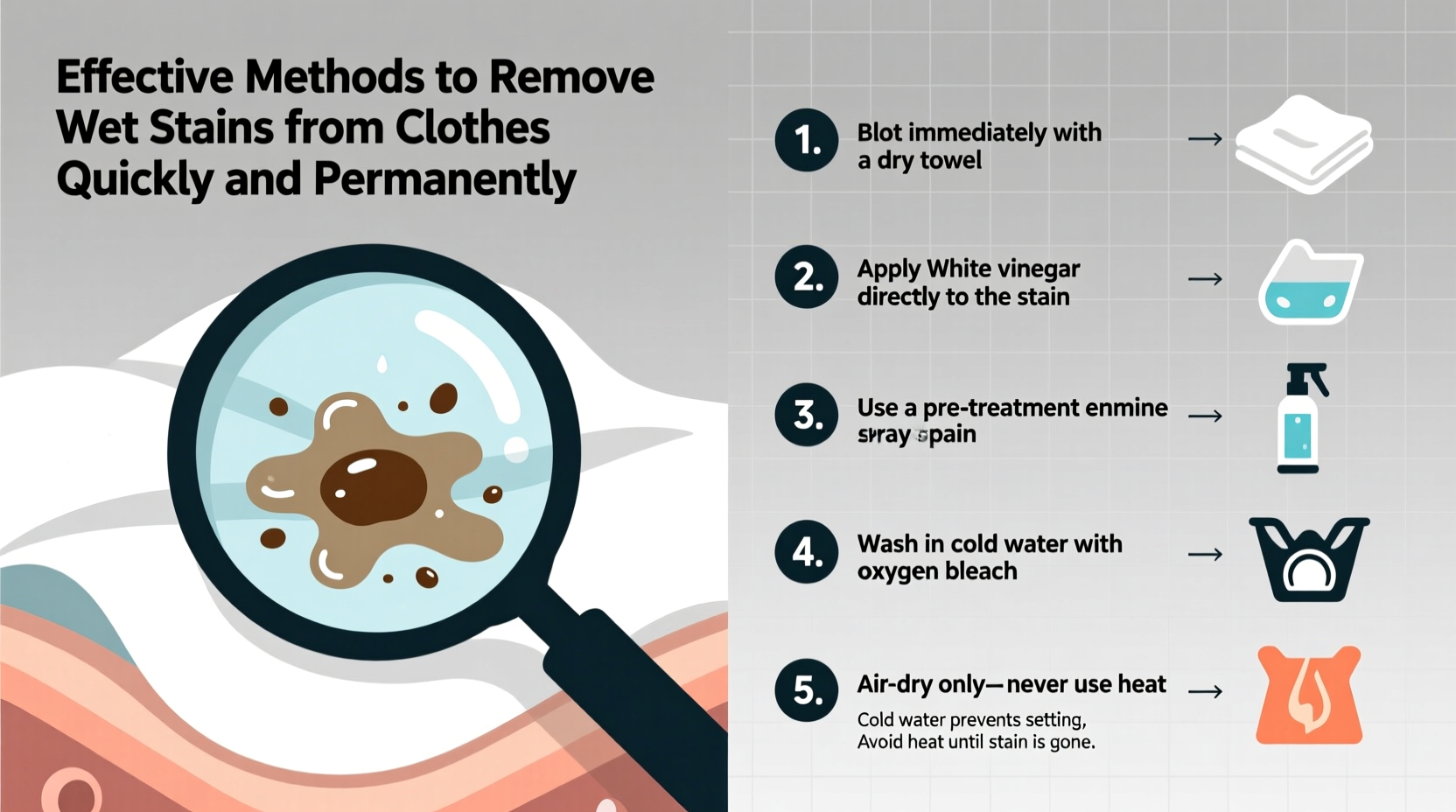
When a liquid spills onto fabric, it begins to penetrate the fibers immediately. Over time, chemical reactions occur—proteins coagulate, tannins oxidize, and dyes bond with textile materials—making the stain progressively harder to remove. For example, red wine contains tannins that darken when exposed to air; if not addressed within minutes, what starts as a faint pink spot can become a deep purple blemish.
Fabrics also play a role in how quickly a stain sets. Natural fibers like cotton and wool absorb liquids rapidly, while synthetic blends may resist absorption but trap oils more easily. Delicate fabrics such as silk require gentler treatments, whereas denim or canvas can withstand stronger cleaning agents.
Step-by-Step Guide to Removing Wet Stains
A structured approach increases the likelihood of complete stain removal. Follow this timeline for optimal results:
- Act Immediately: As soon as the spill occurs, grab a clean, absorbent cloth or paper towel.
- Blot the Area: Press firmly to soak up excess liquid. Avoid rubbing, which pushes the stain deeper.
- Identify the Stain Type: Determine whether it’s protein-based (blood, sweat), tannin-rich (coffee, tea), oily (grease, lotion), or dye-based (ink, wine).
- Flush with Cold Water: Hold the stained area under cold running water from the reverse side to push the stain out, not further in.
- Apply an Appropriate Treatment: Use a targeted solution based on stain type (see table below).
- Let It Sit: Allow the treatment to dwell for 5–15 minutes, depending on sensitivity of the fabric.
- Rinse and Launder: Wash the garment according to care label instructions, ideally in the warmest water safe for the fabric.
- Inspect Before Drying: Heat sets stains permanently. Check that the stain is gone before placing in the dryer.
Treatment by Stain Type
| Stain Type | Recommended Solution | Application Method | Caution |
|---|---|---|---|
| Coffee/Tea | Dish soap + white vinegar (1:1) | Apply, wait 10 min, rinse | Avoid bleach on dark fabrics |
| Red Wine | Baking soda paste or salt | Soak up liquid, then apply | Do not use hot water |
| Grease/Oil | WD-40 or cornstarch | Spray lightly or sprinkle, then brush | Ventilate area if using WD-40 |
| Blood | Cold water + hydrogen peroxide (for whites) | Soak, do not agitate | Never use warm water—it cooks proteins |
| Sweat | Hydrogen peroxide + baking soda paste | Apply to armpits, let sit 30 min | Test for colorfastness first |
Common Mistakes That Worsen Wet Stains
Even with good intentions, improper handling can turn a minor spill into irreversible damage. These errors frequently undermine stain removal efforts:
- Rubbing the stain: This grinds the substance into fibers and spreads it outward.
- Using hot water prematurely: Heat sets many types of stains, especially protein-based ones.
- Skipping the blot test: Always test cleaning agents on an inconspicuous area first.
- Applying undiluted chemicals: Bleach, ammonia, or vinegar straight from the bottle can degrade fabric.
- Putting clothes in the dryer too soon: If the stain remains after washing, drying will bake it in permanently.
Real-Life Example: Removing Coffee from a White Blouse
Sarah was rushing to work when she knocked over her travel mug, spilling dark roast directly onto her crisp white blouse. Instead of panicking, she followed protocol. At the office bathroom, she rinsed the backside of the stain under cold water for two minutes, flushing out most of the coffee. She mixed a teaspoon of liquid dish soap with half a teaspoon of white vinegar and dabbed it onto the remaining mark. After letting it sit for ten minutes, she rinsed again and laundered the blouse at 40°C with oxygen-based bleach. When removed from the dryer, the shirt looked untouched by the accident. Her quick thinking saved a $75 garment and avoided wardrobe stress.
“Time is your greatest ally in stain removal. The first five minutes post-spill determine whether a stain vanishes or becomes permanent.” — Dr. Linda Reeves, Textile Chemist, American Cleaning Institute
Checklist: Emergency Stain Response Protocol
Keep this checklist handy near laundry areas or in your phone for instant access during accidents:
- ✅ Blot excess liquid with a clean cloth
- ✅ Identify the stain type (oil, protein, tannin, dye)
- ✅ Flush from the back with cold water
- ✅ Apply targeted treatment (soap, vinegar, baking soda, etc.)
- ✅ Wait 5–15 minutes (longer for set-in marks)
- ✅ Rinse thoroughly
- ✅ Wash in suitable cycle and temperature
- ✅ Inspect before drying — repeat if necessary
Frequently Asked Questions
Can I use bleach on all wet stains?
No. Chlorine bleach is harsh and can weaken fibers or cause yellowing, especially on synthetics and colored fabrics. Use oxygen-based bleach (like powdered laundry booster) for safer, effective whitening and stain lifting. Never mix bleach with ammonia or vinegar—it creates toxic fumes.
What should I do if the stain doesn’t come out after one wash?
Repeat the treatment process. Do not dry the garment. Try a different agent—for instance, switch from vinegar to hydrogen peroxide (on whites) or enzyme cleaner for organic stains. Soaking overnight in cold water with detergent may help loosen stubborn residues.
Are natural remedies as effective as commercial products?
Often, yes. Baking soda, vinegar, lemon juice, and salt are proven stain fighters for many common spills. However, enzyme-based commercial stain removers may perform better on complex organic stains like blood or grass. Natural solutions are eco-friendly and cost-effective but may require longer dwell times.
Final Thoughts: Build Confidence Through Preparation
Dealing with wet stains doesn’t have to mean replacing clothes every time an accident happens. With basic knowledge, everyday household items, and prompt action, most fresh stains can be eliminated completely. The difference between a ruined shirt and a saved favorite often comes down to what you do in the first few minutes. Make stain response part of your routine—just like sorting lights and darks.
Equip your home with simple tools, memorize a few key combinations (like dish soap and vinegar for food spills), and always check labels before treating delicate fabrics. Over time, these practices become second nature, giving you confidence to wear light-colored or expensive garments without fear of minor mishaps.




 浙公网安备
33010002000092号
浙公网安备
33010002000092号 浙B2-20120091-4
Comments
No comments yet. Why don't you start the discussion?