
Puffer jackets are a winter essential—lightweight, compressible, and engineered for maximum insulation. But over time, repeated wear, improper storage, and infrequent care can cause the down or synthetic fill to clump, flatten, and lose its loft. When that happens, the jacket’s ability to trap heat diminishes, leaving you cold despite wearing what should be your warmest layer. The good news: with proper restoration techniques, most puffer jackets can regain their original puffiness and thermal efficiency. This guide covers proven, practical methods to revive your jacket, extend its lifespan, and keep you warm season after season.
Why Puffer Jackets Lose Their Loft
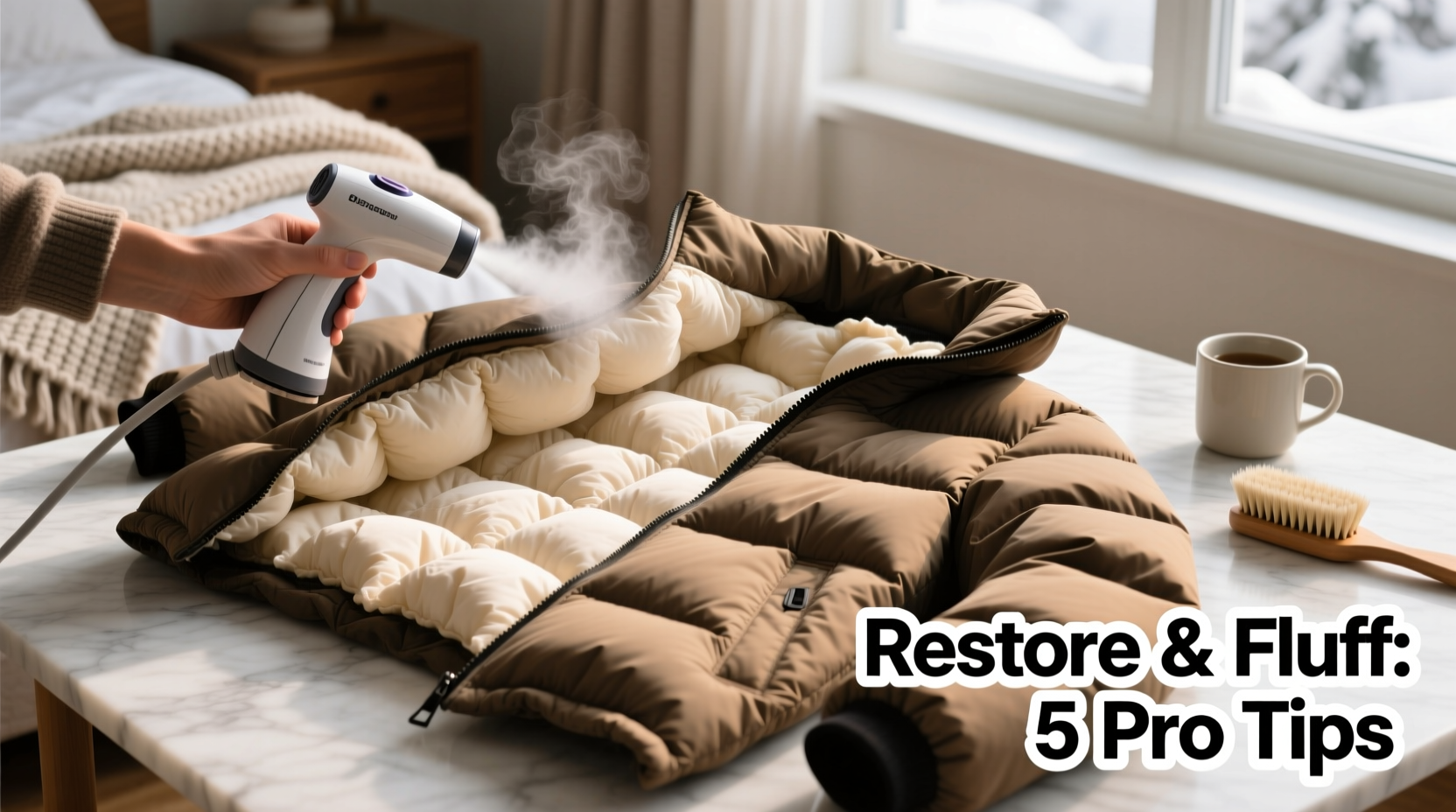
The insulating power of a puffer jacket comes from the trapped air within the clusters of down or synthetic fibers. When these clusters collapse or shift due to compression, moisture, or dirt buildup, the jacket loses its ability to retain warmth. Common causes include:
- Long-term compression: Storing the jacket stuffed in a small bag or under heavy items crushes the fill.
- Dirt and oils: Body sweat, skin oils, and environmental grime coat the fibers, making them heavier and less resilient.
- Improper washing: Using harsh detergents or incorrect drying methods can damage the fill and coating.
- Aging materials: Over years, even well-maintained jackets may experience gradual degradation of shell fabric or insulation.
Understanding these factors is the first step toward reversing the damage and restoring performance.
Step-by-Step Guide to Restore Your Puffer Jacket
Reviving a flat or matted puffer jacket requires patience and the right process. Follow this timeline-based method to safely restore loft and warmth.
- Inspect the jacket: Check for tears, loose stitching, or stains. Repair any damage before washing.
- Pre-treat stains: Use a gentle stain remover designed for technical outerwear. Avoid bleach or abrasive cleaners.
- Wash with care: Use a front-loading washing machine (top loaders with agitators can damage the jacket). Select a cold, delicate cycle.
- Use a down-specific detergent: Regular detergents strip natural oils from down and degrade synthetic fibers. Opt for Nikwax Down Wash Direct or similar.
- Rinse thoroughly: Run an extra rinse cycle to ensure all soap residue is removed—leftover detergent reduces loft.
- Prepare for drying: Place 3–6 clean tennis balls or specialized dryer balls into the dryer with the jacket.
- Dry on low heat: Set the dryer to low or air-dry mode. High heat can melt synthetic fibers or damage shell fabrics.
- Break up clumps: Pause the dryer every 20–30 minutes to manually fluff and separate clumped areas.
- Dry completely: This may take 2–4 hours. The jacket must be 100% dry to prevent mildew and restore full loft.
- Post-dry fluffing: Once dry, vigorously shake the jacket and gently knead sections to redistribute fill.
This process not only cleans the jacket but also helps restructure the insulation, allowing individual clusters to expand and trap air again.
Do’s and Don’ts of Puffer Jacket Care
| Do’s | Don’ts |
|---|---|
| Wash every 3–5 wears or when visibly soiled | Wash too frequently—overwashing degrades coatings |
| Use down-safe or technical garment detergent | Use regular laundry detergent or fabric softener |
| Dry with tennis balls or wool dryer balls | Tumble dry on high heat |
| Store loosely hung or folded in a breathable cotton bag | Compress long-term in vacuum bags or plastic |
| Spot clean between washes | Ignore oil stains—they attract more dirt and degrade fibers |
Real Example: Reviving a Seasoned Mountain Gear Jacket
Tom, an avid hiker from Colorado, relied on his down puffer for alpine treks. After three winters of use—and frequent packing into his backpack—the jacket had flattened significantly across the chest and shoulders. It still provided some warmth, but no longer felt as insulating as it once did.
He followed the restoration steps: washed it with a technical cleaner, used a front-loader, then dried it with three wool dryer balls on low heat. He paused the cycle four times over three hours to break up stubborn clumps. By the end, the jacket regained nearly all its original volume. Tom reported that it now “feels like new” and has resumed its role as his go-to mid-layer on sub-zero mornings.
This case illustrates how consistent use doesn’t have to mean permanent loss of performance—with the right care, functionality can be restored.
“Down is a living material—it responds to care. Proper washing and drying can restore 90% of lost loft in most cases.” — Lena Park, Textile Restoration Specialist, Outdoor Gear Lab
Maintenance Checklist for Long-Term Warmth
To keep your puffer jacket performing at its best, follow this seasonal checklist:
- ✅ Inspect for rips, loose threads, or zipper issues
- ✅ Spot clean collar, cuffs, and underarms monthly
- ✅ Wash using down-specific detergent every few months
- ✅ Dry thoroughly with dryer balls to restore loft
- ✅ Store uncompressed in a cool, dry place
- ✅ Reapply DWR (durable water repellent) treatment if the shell absorbs moisture
- ✅ Rotate usage if you own multiple insulated layers
Sticking to this routine prevents deep-set compaction and maintains breathability and insulation efficiency.
Frequently Asked Questions
Can I air-dry my puffer jacket instead of using a dryer?
Yes, but it takes significantly longer—up to 48 hours—and requires frequent manual fluffing. Air-drying increases the risk of mildew if not fully ventilated. If using this method, lay the jacket flat on a drying rack away from direct heat or sunlight, and flip it every few hours.
Is it safe to wash a synthetic-filled puffer the same way as a down one?
Most steps are the same, but synthetic insulation is more resistant to moisture and doesn’t rely on natural oils. However, it’s still crucial to use a gentle cycle and avoid fabric softeners, which can coat fibers and reduce thermal efficiency. Synthetic fills often dry faster than down.
Why does my jacket still feel lumpy after drying?
Lumpiness usually means residual moisture or incomplete tumbling. Return it to the dryer with clean tennis balls and continue drying in 20-minute intervals, breaking apart clumps by hand each time. Full dryness is essential for complete loft recovery.
Final Thoughts
A puffer jacket is an investment in comfort and protection against the cold. Its performance isn’t fixed—it evolves based on how you treat it. Flattened insulation doesn’t mean the end of its life; in most cases, a careful wash and proper drying can bring back its warmth and structure. By understanding the science of loft, avoiding common storage mistakes, and following a disciplined maintenance routine, you can extend the functional life of your jacket for many winters to come.




 浙公网安备
33010002000092号
浙公网安备
33010002000092号 浙B2-20120091-4
Comments
No comments yet. Why don't you start the discussion?