
Cat litter is designed to absorb moisture and clump together—qualities that make it excellent for managing pet waste but disastrous when flushed down a drain. Whether due to accidental disposal or improper cleaning habits, cat litter can quickly form stubborn clogs in plumbing systems. These blockages not only stop water flow but may also lead to pipe corrosion, foul odors, and costly repairs if left unaddressed. The good news is that with the right techniques, most cat litter clogs can be resolved at home using safe, accessible tools and materials.
This guide provides practical, step-by-step strategies to dissolve, dislodge, or extract cat litter buildup from drains. From preventive measures to emergency fixes, you'll learn how to act swiftly and effectively—without resorting to harsh chemicals or expensive plumber visits in many cases.
Why Cat Litter Clogs Are Particularly Problematic
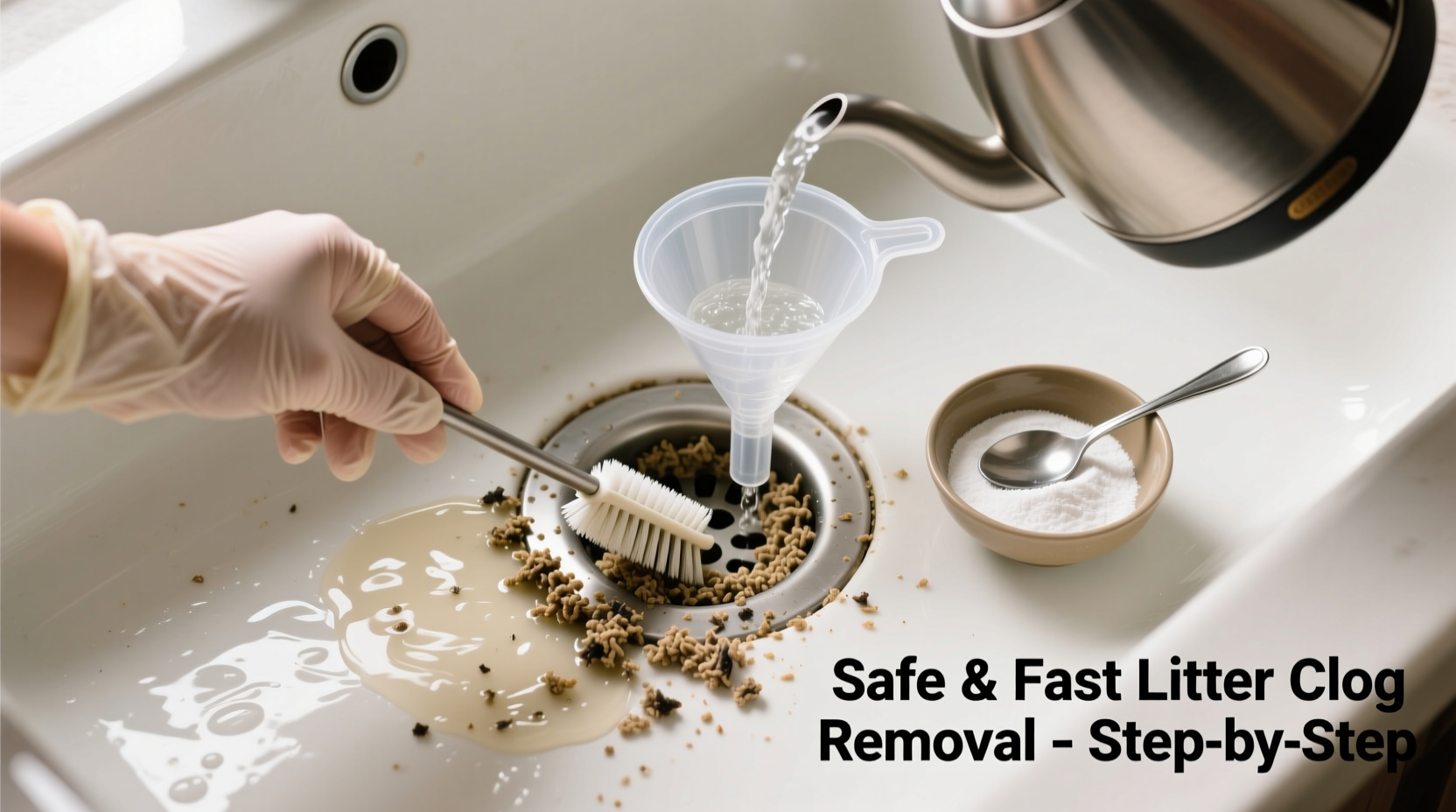
Unlike food scraps or hair, cat litter—especially clay-based or silica varieties—is engineered to expand and harden when wet. Once flushed or washed down a sink or shower drain, these particles absorb water and swell into dense, concrete-like masses. This expansion restricts water flow and adheres tightly to pipe walls, making mechanical removal difficult.
Moreover, used cat litter may contain pathogens like Toxoplasma gondii, which pose health risks if aerosolized during plunging or exposed during manual cleanup. For this reason, any intervention must prioritize both effectiveness and safety.
“Cat litter should never be flushed. It’s one of the top avoidable causes of household drain blockages we see.” — Daniel Ruiz, Master Plumber & Plumbing Educator
Step-by-Step Guide to Removing Cat Litter Clogs
Acting early increases your chances of clearing the clog before it fully sets. Follow this sequence based on severity and accessibility:
- Stop further water use. Prevent additional water from entering the system to avoid overflow or deeper clogging.
- Remove standing water. Use a cup or small container to scoop out as much water as possible from the sink, tub, or basin.
- Try hot (not boiling) water. Pour about 4–6 cups of hot tap water (around 140°F / 60°C) directly into the drain. This may soften some types of organic-based litters or help flush loose particles downstream—but avoid this method if you suspect a complete blockage, as it could cause backup.
- Use a plunger properly. Ensure there's enough water to cover the rubber cup. Apply firm, steady strokes for 20–30 seconds. Focus on creating suction rather than forceful slams.
- Disassemble the P-trap (if accessible). Place a bucket beneath the U-shaped pipe under sinks. Unscrew slip nuts and inspect for visible clumps. Clean thoroughly and reassemble.
- Insert a hand auger (drain snake). Feed the coil slowly into the drain, rotating clockwise as you advance. When resistance is felt, twist gently to break up or hook the clog. Retract carefully to remove debris.
- Rinse and test. Run warm water for 30 seconds to check flow. Repeat steps if necessary.
Safe Chemical Solutions and What to Avoid
Many homeowners reach for chemical drain cleaners, but these are often ineffective—and sometimes dangerous—with cat litter clogs. Most liquid uncloggers rely on dissolving organic matter, but clay and crystal litters are inorganic and resistant to such treatments.
| Method | Effectiveness on Cat Litter | Risk Level | Notes |
|---|---|---|---|
| Hot Water Flush | Low | Low | Only useful for minor, recent clogs |
| Baking Soda + Vinegar | Very Low | Low | Fizzing action doesn’t penetrate hardened litter |
| Enzyme Drain Cleaners | Negligible | Low | Designed for grease/organics, not mineral clays |
| Hydro-Mechanical (Plunger) | Moderate | Low | Best for partial clogs near surface |
| Manual Auger | High | Low | Most reliable non-invasive method |
| Caustic Drain Openers (e.g., lye) | None | High | Can damage pipes and create toxic fumes |
Real Example: A Bathroom Sink Crisis Averted
Sarah, a pet owner in Portland, accidentally rinsed clumping litter residue from her cat’s paws down the bathroom sink. Within hours, the drain stopped working entirely. She tried boiling water and a store-bought cleaner with no success. After reading online about the swelling properties of bentonite clay (a common litter ingredient), she avoided further liquids and instead used a $15 hand auger purchased from a hardware store.
After removing the P-trap and finding a small chunk, she fed the auger deeper and felt resistance at about 18 inches. With careful rotation, she broke through the mass and retrieved several gelatinous clumps. Upon flushing with warm water, full drainage was restored. Her total time: 40 minutes. Cost: under $20. Lesson learned: “I now keep a separate towel just for wiping paws—no more sinks involved.”
Prevention Checklist: Avoid Future Clogs
- Dispose of all cat litter in sealed plastic bags in outdoor trash containers.
- Never flush cat litter—even brands labeled \"flushable.\"
- Place a mesh strainer over sinks and tubs if cleaning litter boxes nearby.
- Educate family members or roommates about proper disposal practices.
- Regularly clean sink and shower drains with hot water and mild detergent to prevent buildup.
- Inspect laundry room drains if washing litter box liners or soiled bedding.
Frequently Asked Questions
Can I use a garbage disposal to clear cat litter?
No. Garbage disposals are not designed for non-food materials like cat litter. Clay and silica particles are abrasive and can damage blades, jam motors, and contribute to downstream clogs in narrow pipes.
Is it safe to let cat litter sit in a slow-draining sink overnight?
No. Even small amounts can continue absorbing moisture and hardening over time, turning a slow drain into a complete blockage. Address suspected contamination immediately.
What if the clog is past the P-trap and my auger isn’t reaching it?
If basic tools fail, the clog may be deep in the main line. Consider renting a motorized drain snake or contacting a licensed plumber. Persistent clogs in multiple fixtures could indicate a sewer line issue requiring professional hydro-jetting.
Final Thoughts and Action Steps
Removing a cat litter clog requires patience and the right tools—but it’s almost always manageable with prompt, informed action. Mechanical methods like plunging and snaking outperform chemical alternatives, especially given the inorganic nature of most litters. The key is intervening early, avoiding harmful shortcuts, and understanding what not to do as much as what to do.
Equally important is preventing recurrence. Establish household rules around pet waste disposal, invest in simple protective tools like sink strainers, and educate everyone who uses your plumbing. Small changes today can save hundreds in repair bills tomorrow.




 浙公网安备
33010002000092号
浙公网安备
33010002000092号 浙B2-20120091-4
Comments
No comments yet. Why don't you start the discussion?