
Dealing with a deep, under-the-skin pimple can be frustrating. Unlike surface-level blemishes, these stubborn bumps don’t pop easily and can linger for days—or even weeks—causing discomfort and self-consciousness. The key to resolving them lies not in squeezing or picking, but in encouraging natural drainage through safe, science-backed techniques. When done correctly, you can accelerate the healing process, reduce inflammation, and minimize the risk of scarring.
Understanding the Pimple Lifecycle
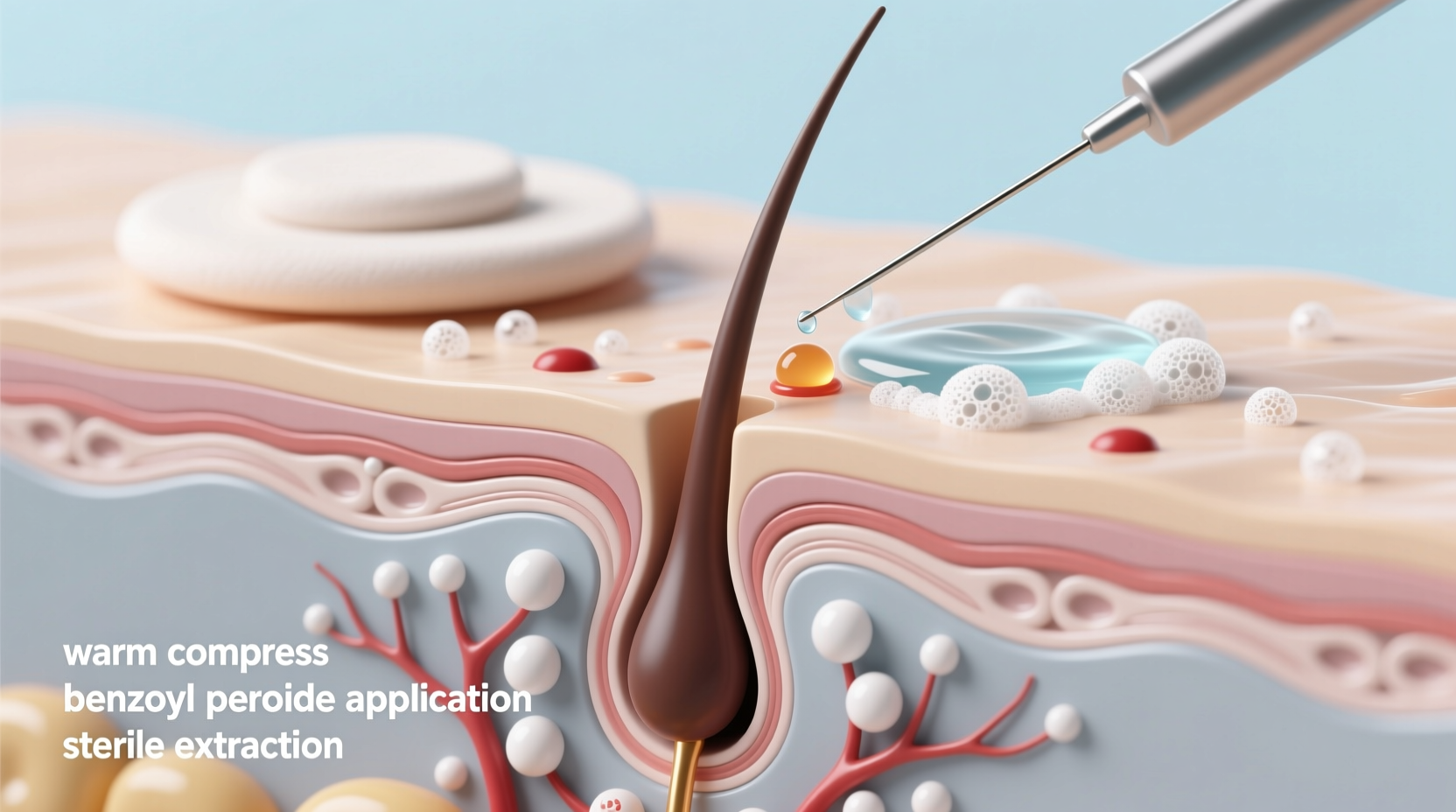
Pimples form when hair follicles become clogged with oil, dead skin cells, and bacteria. Inflammatory acne—such as papules, pustules, and cysts—develops beneath the skin’s surface due to trapped debris and immune response. A “blind pimple” refers to a firm, red bump without a visible head, often painful to touch.
The goal isn’t to force a breakout but to gently encourage the body’s natural process of bringing impurities to the surface. Interfering too aggressively can push bacteria deeper, worsen inflammation, and lead to permanent marks.
“Patience and gentle care are critical. Your skin heals best when supported—not assaulted.” — Dr. Lena Torres, Board-Certified Dermatologist
Safe Methods to Bring a Pimple to the Surface
Effective treatment hinges on consistent, non-invasive strategies that promote circulation, soften blockages, and reduce swelling. Below are proven techniques backed by dermatological insight.
1. Warm Compress Therapy
Heat increases blood flow to the affected area, helping white blood cells fight bacteria and soften sebum trapped in pores. This method is especially effective for blind pimples.
Consistent application over 24–48 hours often encourages a head to form naturally. Always wash your hands before and after to prevent spreading bacteria.
2. Topical Treatments with Active Ingredients
Certain over-the-counter products help break down congestion and reduce inflammation. Key ingredients include:
- Benzoyl Peroxide (2.5%–5%): Kills acne-causing bacteria and clears pore buildup.
- Salicylic Acid (0.5%–2%): Exfoliates inside the pore and dissolves oil.
- Tea Tree Oil (5% diluted): Natural antimicrobial with anti-inflammatory properties.
- Niacinamide: Reduces redness and regulates sebum production.
Apply spot treatments directly to the blemish using a cotton swab. Avoid layering multiple actives to prevent irritation.
3. Hydrocolloid Pimple Patches
These medicated stickers create a protective seal over the blemish while absorbing fluid and pus. They also prevent touching or picking, which reduces infection risk.
Best used overnight on emerging whiteheads or inflamed bumps, hydrocolloid patches can visibly flatten pimples within 8–12 hours.
4. Gentle Facial Steaming
Steam opens pores and softens hardened sebum, making it easier for trapped material to rise. Do this carefully:
- Boil water and pour into a bowl.
- Add 1–2 drops of tea tree or chamomile essential oil (optional).
- Hold your face 8–10 inches above the steam for 5–7 minutes.
- Follow immediately with a warm compress.
Limit steaming to once daily to avoid over-drying the skin.
5. Professional Extraction (When Necessary)
If a pimple forms a visible head but won’t drain, a licensed esthetician or dermatologist can perform sterile extraction. Never attempt this at home without proper tools and sterilization—it risks scarring and infection.
What Not to Do: Common Mistakes
Avoid these habits that delay healing and increase complications:
| Don’t | Why It’s Harmful | Do This Instead |
|---|---|---|
| Squeeze or pick at blind pimples | Pushes bacteria deeper, causes swelling and scarring | Use warm compresses and wait for natural head formation |
| Apply undiluted essential oils | Can cause chemical burns or allergic reactions | Dilute in carrier oil (e.g., jojoba) at 1–2% concentration |
| Overuse acne treatments | Leads to dryness, irritation, and compromised barrier function | Spot treat once or twice daily; moisturize regularly |
| Use abrasive scrubs on active breakouts | Increases inflammation and spreads bacteria | Use gentle cleansers and exfoliate only on clear areas |
Step-by-Step Guide: Bringing a Pimple to a Head Safely
Follow this timeline-based approach for optimal results:
- Day 1 – Early Intervention
Cleanse the area with a gentle, non-comedogenic face wash. Apply a warm compress 3–4 times throughout the day. At night, use a salicylic acid or benzoyl peroxide spot treatment. - Day 2 – Encourage Drainage
Continue compresses. Introduce a hydrocolloid patch overnight. If skin feels dry, apply a fragrance-free moisturizer first, then patch. - Day 3 – Assess Progress
If a white or yellow center appears, stop aggressive treatments. Keep the area protected with a patch during the day if needed. - Day 4–5 – Healing Phase
Once drained, cleanse gently and apply an antibacterial ointment like bacitracin. Continue using niacinamide to reduce redness and speed recovery.
Real Example: Sarah’s Stubborn Chin Bump
Sarah, 28, noticed a hard, tender lump forming below her chin. It didn’t respond to her usual acne serum after two days. Instead of picking, she began applying a warm compress every morning and evening, followed by a 2.5% benzoyl peroxide gel.
On day three, a small head appeared. She switched to a hydrocolloid patch at night. By day five, the swelling had reduced by 80%, and the pimple fully drained overnight. She avoided scarring by continuing to moisturize and protect the area with sunscreen during the day.
This case illustrates how patience and consistency yield better results than aggressive intervention.
Checklist: Safe Pimple Maturation Routine
- ✅ Wash hands before touching your face
- ✅ Apply warm compress 3–4 times daily
- ✅ Use a single active ingredient (e.g., salicylic acid or benzoyl peroxide)
- ✅ Protect with a hydrocolloid patch once head forms
- ✅ Avoid makeup or heavy products on the blemish
- ✅ Refrain from picking—even if it’s tempting
- ✅ Moisturize surrounding skin to maintain barrier health
- ✅ See a dermatologist if no improvement in 5–7 days
Frequently Asked Questions
How long does it take for a blind pimple to come to a head?
With proper care, most deep pimples surface within 3 to 5 days. Factors like skin type, hormone levels, and treatment consistency affect timing. Some may take longer, especially cystic lesions.
Can I pop a pimple once it comes to a head?
Only if it’s fully mature—meaning the white or yellow core is visible and sits just beneath a thin layer of skin. Even then, do so hygienically: sterilize a needle, gently pierce the tip, and press lightly with clean gauze. Stop if there’s resistance or pain.
Are natural remedies like garlic or toothpaste effective?
No. While some home hacks circulate online, substances like garlic, lemon juice, or toothpaste are highly irritating and can damage the skin barrier. Stick to clinically tested ingredients instead.
Final Thoughts: Prioritize Skin Health Over Speed
Rushing the healing process often backfires. The most effective way to deal with a deep pimple is through gentle, consistent care that supports your skin’s natural defenses. By combining targeted treatments with smart habits, you’ll not only resolve current breakouts faster but also reduce future flare-ups.




 浙公网安备
33010002000092号
浙公网安备
33010002000092号 浙B2-20120091-4
Comments
No comments yet. Why don't you start the discussion?