
Outdoor Bluetooth speakers are built for adventure, from beach days to backyard barbecues and hiking trails. But exposure to dust, moisture, sand, and UV rays takes a toll. Without proper care, even the most rugged models can suffer degraded sound quality, connectivity issues, or permanent damage. Cleaning and maintaining your speaker isn’t just about appearance—it’s essential for longevity and peak performance. The good news? With the right techniques, you can keep your device functioning like new for years.
Why Regular Maintenance Matters
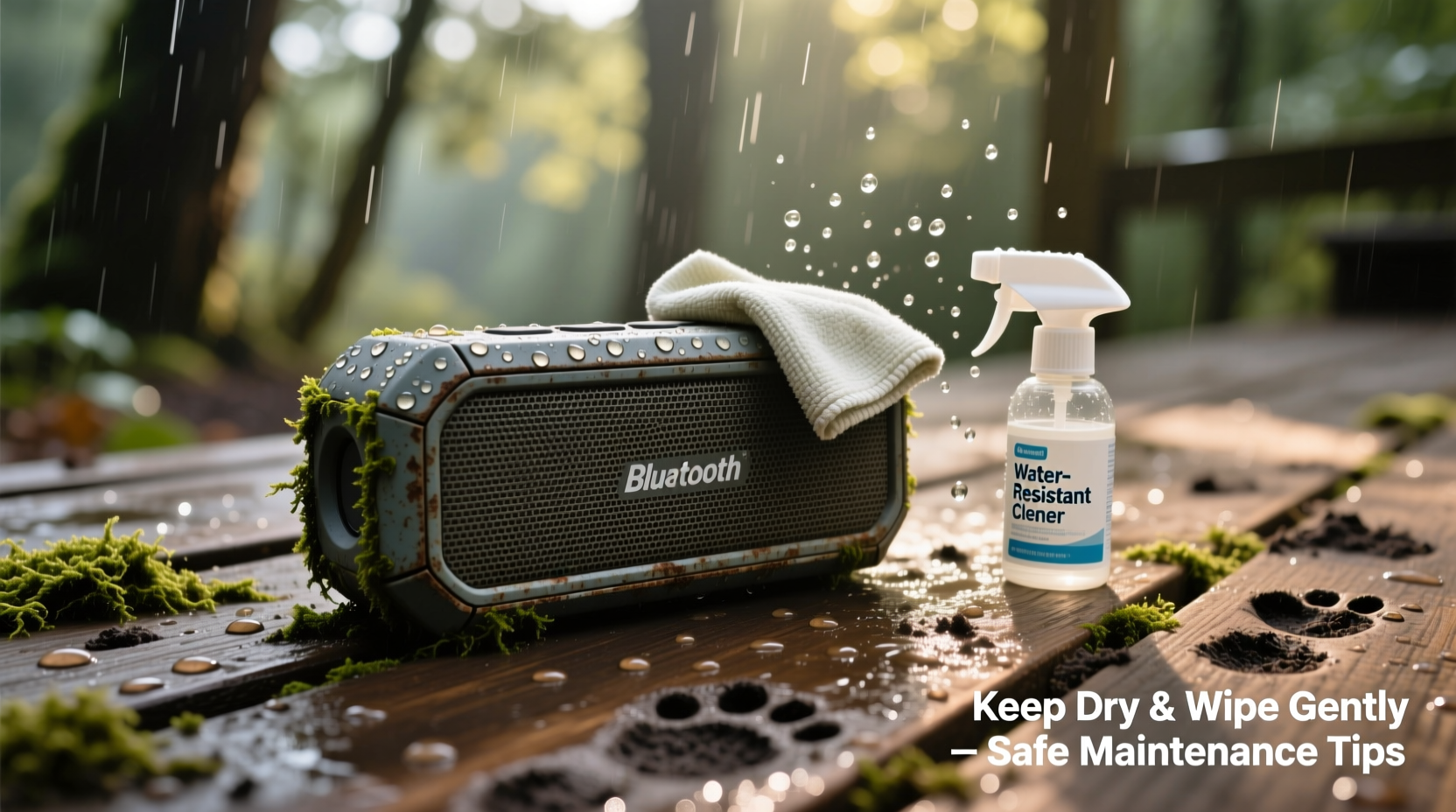
Unlike indoor electronics, outdoor speakers face harsher conditions: humidity, temperature swings, dirt, saltwater spray, and physical impacts. These elements can clog speaker grilles, corrode ports, degrade rubber seals, and interfere with battery efficiency. Over time, accumulated grime inside the driver units may distort sound output. Regular maintenance prevents buildup, preserves water resistance, and ensures optimal functionality.
“Many users assume their waterproof speaker is maintenance-free. That’s a myth. Even IPX7-rated devices need post-use care to prevent long-term wear.” — Jordan Lin, Audio Equipment Technician at SoundCare Labs
Step-by-Step Guide to Safely Clean Your Outdoor Bluetooth Speaker
Cleaning doesn’t require specialized tools or chemicals. What matters most is using the correct method to avoid damaging sensitive components like microphones, buttons, and charging ports.
- Power Off and Disconnect: Always turn off the speaker and disconnect it from any paired devices or power sources before cleaning.
- Remove Loose Debris: Use a soft-bristled brush or dry microfiber cloth to gently sweep away sand, dust, or grass from the surface and grille.
- Dampen, Don’t Soak: Lightly moisten a lint-free cloth with distilled water (or a 50/50 mix of water and isopropyl alcohol). Never spray liquid directly onto the unit.
- Wipe Down Surfaces: Gently wipe the housing, paying attention to seams, button crevices, and around the speaker mesh. Avoid submerging unless specified by the manufacturer.
- Clean Ports Carefully: For charging and auxiliary ports, use a dry cotton swab or compressed air to remove lint and moisture. Do not insert metal objects.
- Dry Thoroughly: Let the speaker air-dry completely in a shaded, well-ventilated area for at least 1–2 hours before turning it back on.
Best Practices for Ongoing Maintenance
Cleaning after each use is ideal, but real-world usage varies. Establishing a routine based on frequency and environment helps extend lifespan.
- Post-Event Wipe Down: After every outdoor session, perform a quick surface clean—even if no visible dirt is present.
- Battery Care: Recharge lithium-ion batteries before they fully drain. Store with a 40–60% charge if unused for weeks.
- Protective Storage: Keep the speaker in a breathable fabric pouch or ventilated case when not in use. Avoid sealed plastic bags that trap moisture.
- Avoid Extreme Temperatures: Prolonged exposure to direct sunlight or freezing conditions can warp casings and reduce battery efficiency.
- Inspect Seals Periodically: Check rubber gaskets around battery covers and ports for cracks or looseness, especially on older models.
Do’s and Don’ts: Speaker Care Quick Reference
| Do’s | Don’ts |
|---|---|
| Use a microfiber cloth and mild cleaner | Submerge non-waterproof models |
| Rinse with fresh water after saltwater exposure (if rated) | Use abrasive sponges or household cleaners |
| Store in a cool, dry place | Leave in hot cars or damp basements |
| Clean ports with compressed air | Insert sharp objects into ports |
| Charge monthly during storage | Overcharge overnight regularly |
Real-World Example: How Proper Care Saved a Festival Speaker
During a three-day music festival, Sarah used her Bluetooth speaker near a dusty campsite and later by a lake. Each night, she powered it down, brushed off loose dirt with a travel toothbrush, and wiped the exterior with a slightly damp cloth. She stored it in a mesh drawstring bag inside her cooler (when empty) to avoid heat exposure. Despite heavy use, the speaker performed flawlessly throughout the weekend. Six months later, it still charges efficiently and delivers crisp audio—unlike a friend’s identical model that was left outdoors and now has muffled sound due to moisture buildup.
This scenario illustrates how small, consistent actions make a significant difference in durability.
Essential Maintenance Checklist
Keep this checklist handy for regular upkeep:
- ☐ Power off before cleaning
- ☐ Remove debris with a soft brush
- ☐ Wipe housing with a slightly damp microfiber cloth
- ☐ Clean ports with a dry cotton swab or air blower
- ☐ Allow full drying time before reuse
- ☐ Inspect rubber seals monthly
- ☐ Store in a ventilated, temperature-stable location
- ☐ Charge battery every 4–6 weeks if unused
Frequently Asked Questions
Can I use disinfectant wipes on my Bluetooth speaker?
Only if they’re alcohol-based (with less than 70% isopropyl alcohol) and applied to a cloth first—not directly on the speaker. Avoid bleach or ammonia-based cleaners, as they can degrade rubber and plastic over time.
How often should I deep clean my outdoor speaker?
Perform a thorough clean every 4–6 uses, or monthly if used frequently. More frequent cleaning is recommended after exposure to sand, mud, or saltwater.
What if my speaker gets wet and won’t turn on?
Immediately power it off (if possible), dry the exterior, and place it in a sealed container with silica gel packets or uncooked rice for 24–48 hours. Do not charge or attempt to turn it on until fully dry. If issues persist, consult the manufacturer—do not open the unit yourself.
Conclusion: Make Maintenance a Habit, Not an Afterthought
Your outdoor Bluetooth speaker is designed to handle the elements—but it still needs your help to last. Simple habits like wiping it down after use, storing it properly, and checking for wear can prevent costly replacements and ensure reliable performance whenever adventure calls. Think of maintenance not as a chore, but as part of enjoying your gear to the fullest.




 浙公网安备
33010002000092号
浙公网安备
33010002000092号 浙B2-20120091-4
Comments
No comments yet. Why don't you start the discussion?