
Plush toys are more than just playthings—they often become cherished companions, especially when they feature beloved characters like a cartoon rabbit. Over time, however, these soft friends collect dust, odors, and stains from daily use. Cleaning them improperly can lead to frayed seams, faded colors, or matted fur. The key is using gentle, thoughtful techniques that preserve both appearance and integrity. Whether it's a child’s favorite bedtime buddy or a collector’s display piece, knowing how to safely clean and refresh your plush ensures it remains soft, clean, and huggable for years.
Understanding Your Plush Toy’s Materials
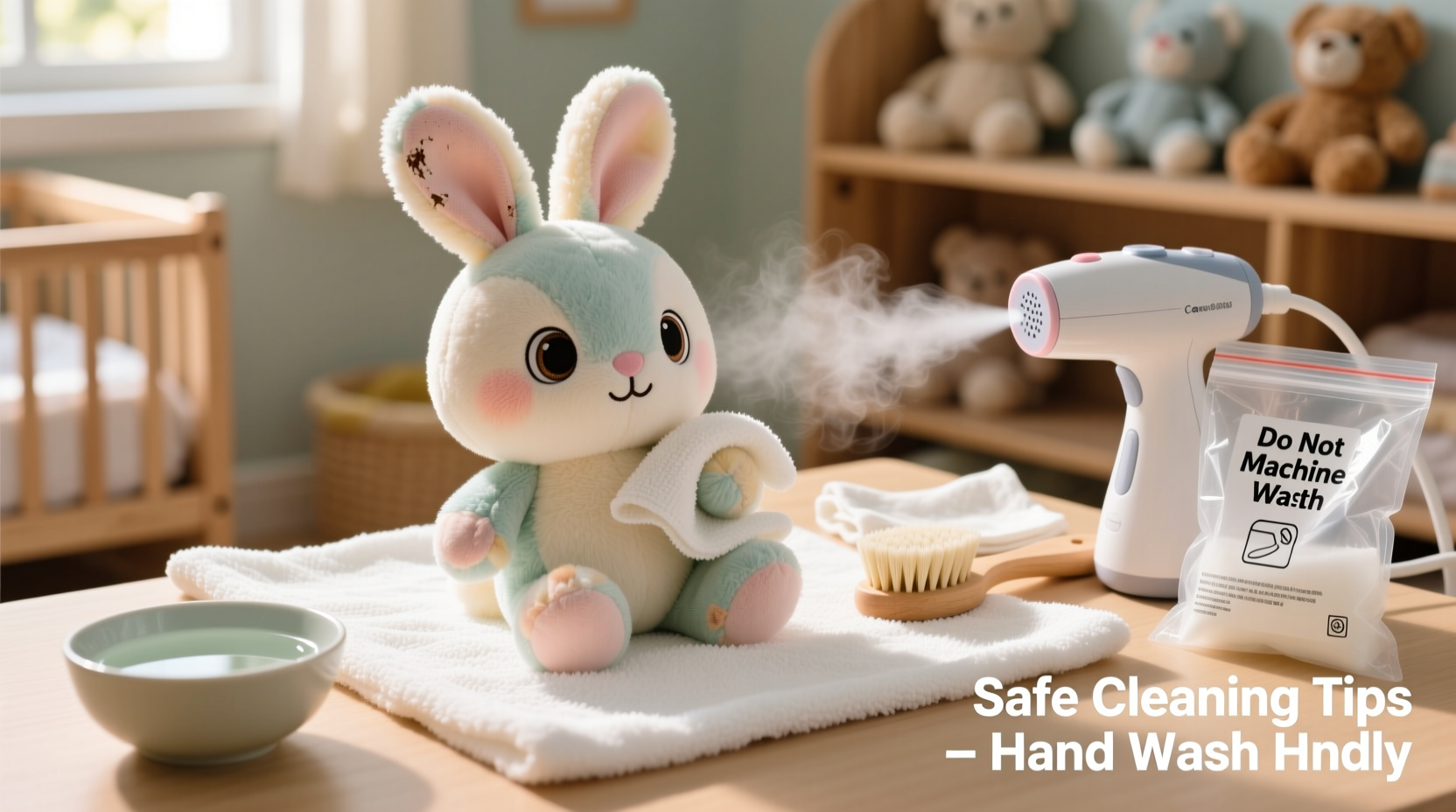
Before attempting any cleaning method, inspect the care label—usually sewn into a seam or attached with a tag. This label provides essential guidance on washing temperature, drying methods, and whether machine washing is permitted. If no label exists, examine the materials closely. Most cartoon rabbit plush toys are made from synthetic fibers like polyester, acrylic, or cotton blends, often filled with polyfill. Some may include plastic eyes, embroidered details, or delicate accessories that react poorly to water or agitation.
Fabrics vary in sensitivity: short-pile fleece withstands light moisture better than long-looped mohair, which can mat easily. Embellishments such as ribbons, bows, or glued-on features require special attention. Ignoring material specifics can result in irreversible damage—shrinking, color bleeding, or detachment of parts.
Step-by-Step Guide: Safe Hand-Cleaning Method
Hand-washing offers the greatest control and minimizes risk, especially for older or decorative plush toys. Follow this sequence for thorough yet gentle cleaning:
- Prep the workspace: Lay down towels on a flat surface to absorb excess water and protect surfaces.
- Spot-clean visible stains: Use a soft cloth dampened with a mix of mild detergent (such as baby shampoo) and lukewarm water. Gently dab at soiled areas—never rub, as friction damages fibers.
- Prepare a cleaning bath: Fill a basin with lukewarm water and a small amount of gentle detergent. Submerge only if the toy has no electronic components or non-washable elements.
- Immerse and agitate gently: Hold the toy underwater and softly squeeze the body to allow soapy water to penetrate. Avoid twisting or wringing.
- Rinse thoroughly: Replace soapy water with clean lukewarm water. Repeat squeezing until water runs clear.
- Remove excess moisture: Press the toy between two dry towels to absorb water. Do not hang, as weight can stretch seams.
- Air-dry completely: Reshape the toy and lay it flat in a well-ventilated area away from direct sunlight or heat sources. Allow 24–48 hours for full drying.
This method preserves stitching and stuffing distribution while effectively removing grime and allergens.
Dry Cleaning and Alternative Refreshing Techniques
For plush toys labeled “dry clean only” or those too fragile for water exposure, consider safer alternatives:
- Baking soda deodorizing: Sprinkle baking soda liberally over the surface, focusing on musty areas. Let sit for 30 minutes to an hour, then vacuum gently with a brush attachment.
- Sun airing: Place the toy in indirect sunlight for a few hours. UV rays naturally reduce bacteria and neutralize odors—ideal for routine maintenance.
- Steam refreshing: Use a garment steamer held several inches away to loosen dust and kill dust mites without wetting the fabric.
- Freezing for sanitization: Seal the toy in a plastic bag and place in the freezer overnight. Cold temperatures eliminate many microbes and bed bugs, though this doesn’t remove stains.
These non-invasive methods maintain structural integrity while improving hygiene and freshness.
| Cleaning Method | Best For | Risks |
|---|---|---|
| Hand Washing | Moderately soiled toys with washable labels | Shrinking if dried improperly; seam stress |
| Machine Washing (gentle cycle) | Durable, label-approved plush with no electronics | Fiber matting; detached parts due to agitation |
| Baking Soda + Vacuum | Odor removal; light surface dirt | None if done correctly |
| Steam Treatment | Killing allergens; reviving flattened fur | Water spots if too close; melting plastic details |
| Professional Dry Cleaning | Antique, collectible, or heavily detailed plush | Chemical residue; cost |
Expert Insight: Preserving Sentimental Value Through Care
“Many people underestimate how environmental factors degrade plush over time. Regular, gentle maintenance—not deep cleaning—is what truly extends lifespan.” — Dr. Lena Patel, Textile Conservation Specialist
Dr. Patel emphasizes that consistent care prevents buildup that leads to drastic interventions. She advises rotating plush toys to reduce wear and storing them in breathable cotton bags when not in use. For collectors, she recommends monitoring humidity levels, as excessive moisture fosters mold growth inside stuffing.
Mini Case Study: Reviving a Heirloom Rabbit Plush
Sophie, a 32-year-old teacher, inherited a vintage cartoon rabbit plush from her mother. Though sentimental, it had developed a stale odor and visibly dull fur after decades in storage. Afraid of damaging it, she avoided washing. Instead, she used the baking soda method followed by careful brushing with a soft pet comb. After air-drying near a window (out of direct sun), she noticed the fur regained volume and the smell disappeared. No structural changes occurred, and the toy was safely returned to display. This case illustrates how low-risk methods can achieve significant results without water exposure.
Checklist: Pre-Cleaning Safety Protocol
- ✅ Check for care instructions on tags or packaging
- ✅ Inspect for loose parts, tears, or weak seams
- ✅ Identify material type and embellishments (plastic eyes, wires, etc.)
- ✅ Confirm absence of electronic components (music boxes, sensors)
- ✅ Perform a spot test with chosen cleaner
- ✅ Gather supplies: mild detergent, towels, soft brush, basin
FAQ
Can I put my cartoon rabbit plush in the washing machine?
You can—if the care label permits and the toy has no glued parts, electronics, or delicate fabrics. Always use a gentle cycle, cold water, and place the toy in a mesh laundry bag for protection. Avoid spin cycles if possible.
How do I fluff matted fur after cleaning?
Once fully dry, use a wide-tooth comb or soft-bristle brush. Start at the tips and work slowly toward the base. For longer fur, hold the base of the tuft while brushing to prevent pulling out fibers.
How often should I clean my plush toy?
Light surface cleaning every 4–6 weeks is ideal for frequently used toys. Deep cleaning or full washing should occur every 3–6 months, depending on usage and exposure to dirt or spills.
Conclusion
Caring for a cartoon rabbit plush toy goes beyond aesthetics—it honors emotional connections and extends usability across generations. By choosing appropriate cleaning methods based on material and condition, you safeguard both appearance and structure. Whether using hand-washing, dry techniques, or preventive maintenance, consistency and caution yield the best outcomes. These plush companions bring comfort and joy; returning that care through mindful upkeep ensures they remain soft, fresh, and treasured for years to come.




 浙公网安备
33010002000092号
浙公网安备
33010002000092号 浙B2-20120091-4
Comments
No comments yet. Why don't you start the discussion?