
The matte finish on the iPhone 16 Pro Max case offers a sleek, fingerprint-resistant surface that many users prefer for its premium feel and understated elegance. However, this finish is more vulnerable to improper cleaning than glossy counterparts. Harsh chemicals, abrasive cloths, or excessive moisture can degrade the texture, cause discoloration, or leave permanent streaks. Maintaining the case’s appearance doesn’t require extreme measures—just consistent, informed care. This guide provides proven, safe methods to keep your matte case looking new while preserving its delicate coating.
Why Matte Finishes Demand Special Care
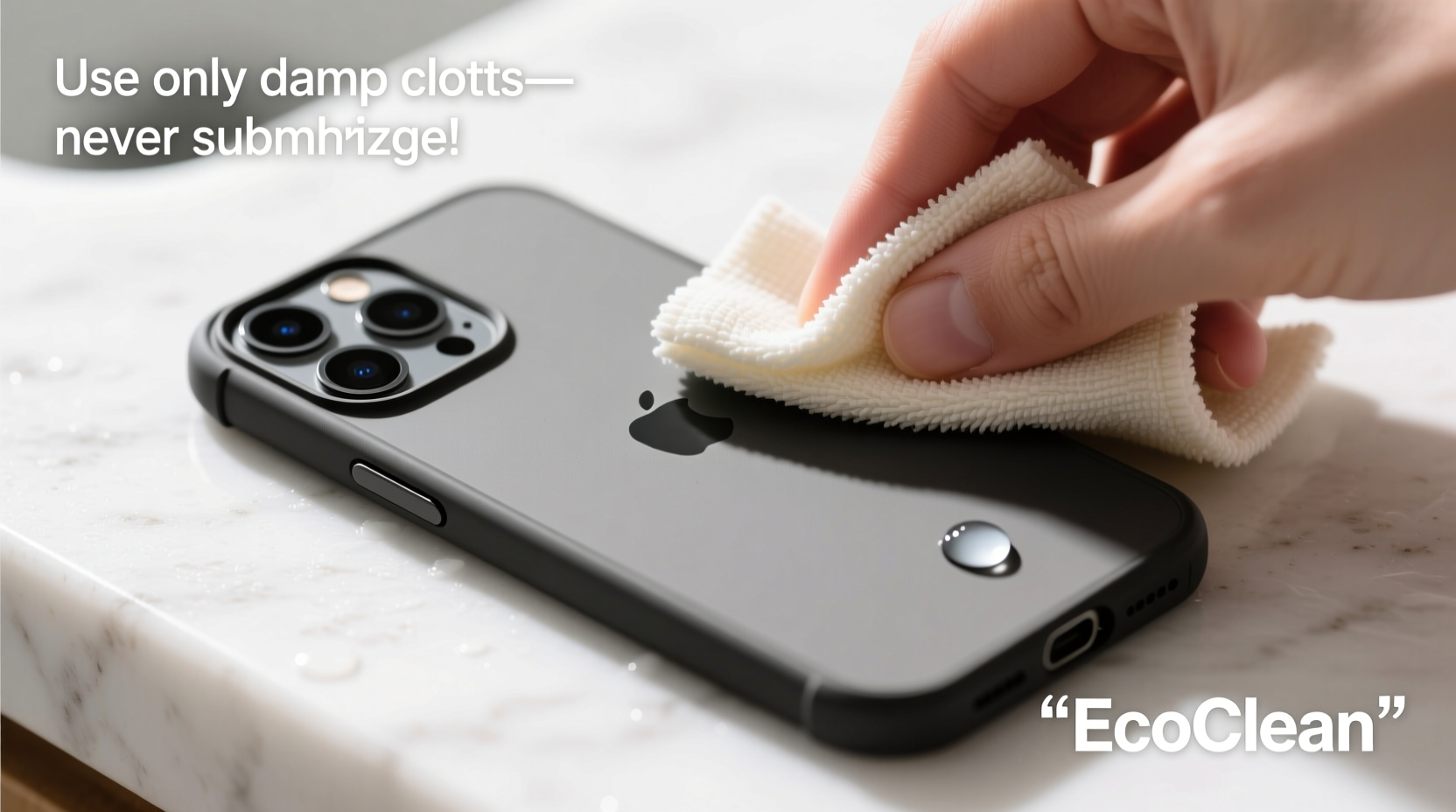
Matte surfaces are engineered with micro-textured coatings or soft-touch paints designed to diffuse light and resist smudges. Unlike smooth plastic or glass, these finishes rely on microscopic ridges and pores to create their signature look and feel. When exposed to aggressive cleaners like alcohol-based wipes, acetone, or ammonia, the coating can break down, leading to glossiness, flaking, or yellowing over time. Additionally, abrasive materials such as paper towels or rough sponges can scratch the surface, compromising both aesthetics and protection.
Apple itself advises against using household cleaners on its devices and accessories. The company recommends only “a soft, slightly damp, lint-free cloth” for routine cleaning. While this works for light dust, deeper grime—especially from daily pocket or bag use—requires a more targeted approach.
“Matte finishes are chemically sensitive. Even products labeled ‘safe for electronics’ can contain solvents that dull or strip the coating over repeated use.” — Dr. Lena Torres, Materials Scientist at Mobile Surface Labs
Step-by-Step: Safe Cleaning Process for Your Matte Case
Cleaning your matte iPhone 16 Pro Max case properly involves preparation, gentle cleansing, and thorough drying. Follow this timeline to ensure no residue or moisture remains trapped against the surface.
- Remove the case from the phone – Always detach the case before cleaning to avoid accidental moisture seepage into device ports.
- Dust off loose particles – Use a dry microfiber cloth or a soft-bristle brush (like a clean makeup brush) to remove surface dust and debris.
- Prepare a mild cleaning solution – Mix one drop of pH-neutral dish soap with one cup of lukewarm water in a small bowl.
- Dampen a microfiber cloth – Dip the corner of the cloth into the solution, then wring it out thoroughly. The cloth should be damp, not wet.
- Gently wipe the case – Use light pressure and circular motions to clean the exterior. Avoid scrubbing. Pay attention to edges and button areas where dirt accumulates.
- Tackle stubborn spots – For oily residues or scuff marks, let the damp cloth sit on the spot for 10–15 seconds to loosen grime before gently wiping.
- Rinse (if necessary) – If soap was used, lightly wipe with a second cloth dampened with clean water to remove any residue.
- Air-dry completely – Place the case on a lint-free towel in a well-ventilated area, away from direct sunlight or heat sources. Allow 30–60 minutes to dry fully before reattaching.
Do’s and Don’ts: Quick Reference Table
| Do | Don’t |
|---|---|
| Use a microfiber cloth | Use paper towels or tissues |
| Clean with a drop of mild soap and water | Use alcohol, bleach, or window cleaner |
| Dry naturally at room temperature | Use a hairdryer or place near a heater |
| Clean every 1–2 weeks with regular use | Wait until the case looks visibly dirty |
| Store in a dust-free container when not in use | Leave in hot cars or direct sunlight |
Real-World Example: How One User Damaged Their Case (and Fixed It)
Mark, a freelance photographer in Portland, noticed his matte black iPhone 16 Pro Max case had turned patchy after three months of use. Certain areas, especially around the camera cutout, appeared shiny and sticky. He admitted to using disinfectant wipes during travel, believing they were safe since they were labeled “for electronics.” After consulting an Apple Support technician, he learned the wipes contained isopropyl alcohol, which had partially dissolved the matte coating.
Following professional advice, Mark switched to a weekly cleaning routine using only a microfiber cloth and a homemade soap solution. He also began storing the case in a breathable fabric pouch when swapping phones. Within two months, while the damaged areas didn’t fully recover, the rest of the case retained its original texture and color. His experience highlights how easily misuse can compromise even high-end accessories—and how consistent, gentle care can prevent further deterioration.
Alternative Cleaning Methods (Tested & Approved)
While the soap-and-water method is safest, some users seek alternatives for convenience or deeper cleaning. Below are two options that have been tested on matte polymer finishes without adverse effects:
- Distilled Water Damp Wipe: For light maintenance between deep cleans, a microfiber cloth dampened with distilled water removes fingerprints and dust without introducing chemicals.
- Electronic-Safe Screen Wipes (Alcohol-Free): Only wipes explicitly labeled “alcohol-free” and “safe for coated surfaces” should be considered. Brands like Zagg and Whoosh! offer pre-moistened wipes formulated for anti-fingerprint coatings. Test on a small, inconspicuous edge first.
Never use magic erasers, vinegar solutions, or hand sanitizer—despite online claims. These may temporarily clean but ultimately degrade the matte layer through abrasion or chemical reaction.
Frequently Asked Questions
Can I use lens cleaning wipes on my matte case?
Lens wipes are generally safe if they’re alcohol-free and designed for coated optics. However, they may leave a slight residue. A better option is to use them only for quick touch-ups and follow with a dry microfiber pass.
How often should I clean my matte case?
For daily users, a light wipe-down every 3–4 days and a full cleaning every 10–14 days is ideal. Heavy sweat, pocket lint, or frequent travel exposure may require more frequent attention.
What if my case starts peeling or bubbling?
This indicates coating failure, likely due to chemical exposure or manufacturing defect. Stop cleaning immediately and consider replacing the case. Continuing to clean a compromised surface can worsen the damage.
Maintain Longevity with Smart Habits
Cleaning is just one part of preserving your matte iPhone 16 Pro Max case. Equally important are storage and handling practices. Keep the case away from high-humidity environments like bathrooms, and never leave it in a car on sunny days—heat accelerates coating breakdown. When removing the case, avoid bending or twisting it aggressively, as stress can crack the finish along the edges.
Consider investing in a spare OEM or certified third-party matte case. Having a backup allows each case to rest between uses, reducing fatigue on materials and extending overall lifespan.
“The best cleaning method is prevention. Keep your case clean through routine maintenance, not emergency fixes.” — Jordan Lee, Senior Technician at Urban Device Care
Final Thoughts
Your iPhone 16 Pro Max deserves protection that doesn’t sacrifice style or function. The matte case offers both—but only if treated with care. By avoiding common cleaning mistakes and adopting a simple, disciplined routine, you can maintain its appearance for months or even years. The key lies not in powerful products, but in gentle consistency.




 浙公网安备
33010002000092号
浙公网安备
33010002000092号 浙B2-20120091-4
Comments
No comments yet. Why don't you start the discussion?