
Sometimes accidents happen—especially in households with curious cats and accessible litter boxes near bathrooms. Flushing cat litter may seem like a quick fix, but most types are not designed for plumbing systems and can cause serious clogs, pipe damage, or septic tank issues. If you’ve already flushed litter or noticed it stuck in the bowl or drain, don’t panic. There are safe, effective ways to remove it without harming your toilet or risking costly repairs.
This guide covers proven techniques, tools, and preventive strategies backed by plumbing experts and pet care professionals. Whether you're dealing with clumping clay, silica gel, or biodegradable litter, these steps will help you resolve the issue efficiently and protect your home’s plumbing long-term.
Understanding Why Cat Litter Shouldn’t Be Flushed
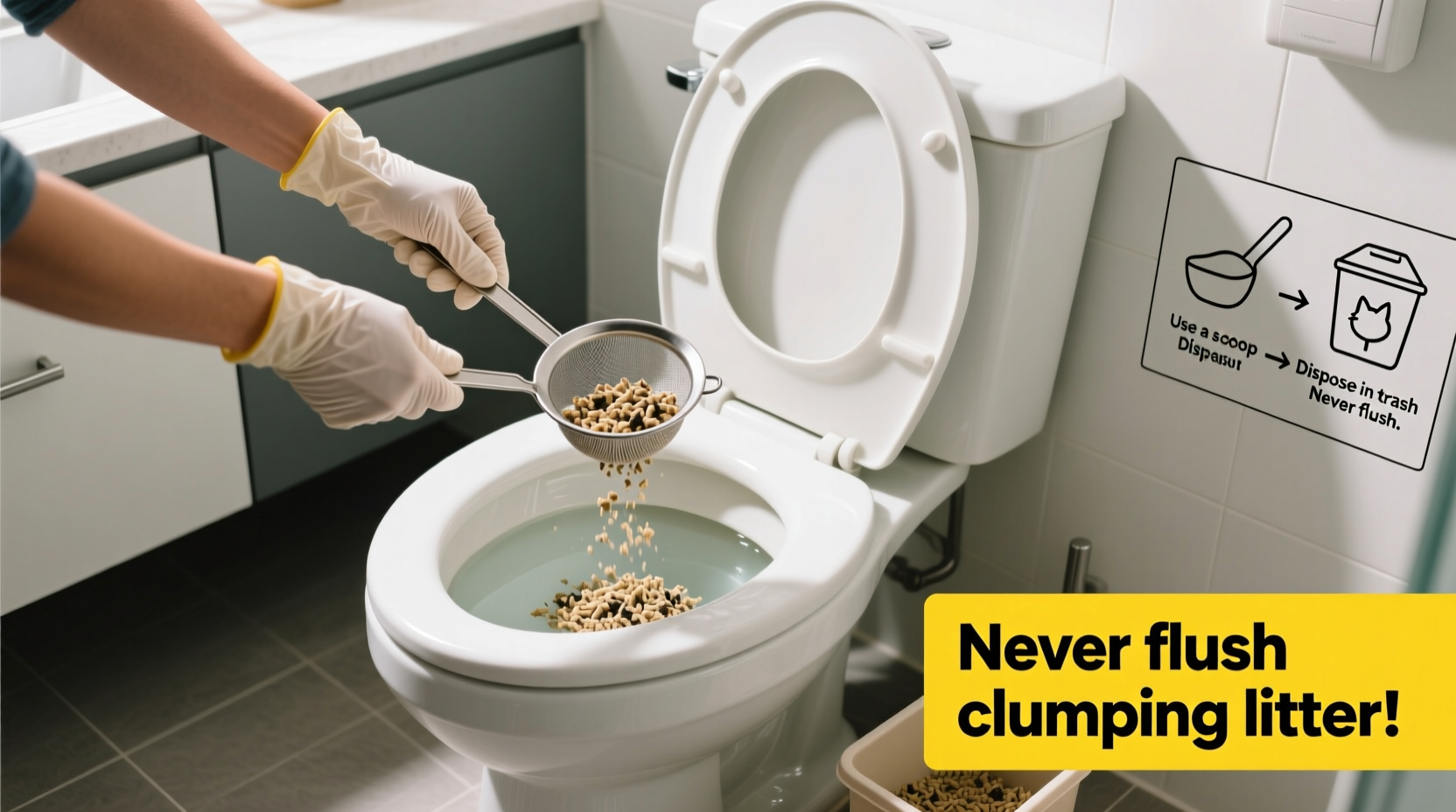
Most cat litters expand when wet and bind into dense clumps designed to trap moisture and odor. While this is ideal for litter boxes, it's disastrous for toilets. When introduced to water in a toilet, clumping litters absorb liquid rapidly and swell, often forming solid masses that resist flushing. These clumps can lodge in narrow pipe bends, especially in older plumbing or low-flow toilets.
According to the Environmental Protection Agency (EPA), flushing cat waste—even with \"flushable\" litter—is discouraged due to potential contamination risks from *Toxoplasma gondii*, a parasite found in cat feces that can survive wastewater treatment processes.
“Never assume a litter is truly flush-safe. Even those labeled as such can accumulate over time and cause blockages.” — James Holloway, Master Plumber and Plumbing Educator
Step-by-Step Guide to Removing Cat Litter Safely
If cat litter has been flushed and is causing a partial or complete blockage, follow this methodical approach to clear it without damaging porcelain or pipes.
- Stop Further Flushing: Prevent additional water pressure from pushing the clog deeper. Turn off the water supply valve behind the toilet if necessary.
- Assess the Blockage: Determine whether the litter is visible in the bowl or has passed further into the trap. Use a flashlight to inspect the drain opening beneath the rim.
- Use a Plunger Correctly: Choose a flange plunger (not a sink plunger). Create a tight seal around the drain hole and apply firm, controlled up-and-down motions for 20–30 seconds. Avoid aggressive plunging, which could crack the porcelain.
- Wait and Repeat: Let the water settle after plunging. If the water drains slowly, repeat the process once more. Allow 15–30 minutes between attempts to let water soften clumped litter.
- Remove Remaining Debris Manually: Once the water level drops, use rubber gloves and a small cup or plastic scraper to scoop out any visible litter fragments from the bowl and trap.
Alternative Tools and Methods for Stubborn Clogs
When plunging fails, consider these non-invasive tools before resorting to chemical drain cleaners, which can corrode pipes and react poorly with organic matter.
- Toilet Auger (Closet Auger): A flexible metal cable with a crank handle designed specifically for toilets. Insert the auger into the drain and rotate slowly to break up or retrieve compacted litter. Retract carefully to avoid scratching the porcelain.
- Vacuum Extraction: A wet/dry vacuum set to suction mode can pull debris back up if the water level allows. Seal the vacuum hose tightly over the drain hole using a towel or adapter for maximum suction.
- Baking Soda and Vinegar (for minor residue): While ineffective on large clumps, this natural mixture can help dissolve residual particles after physical removal. Pour one cup of baking soda followed by two cups of vinegar. Wait 30 minutes, then flush with hot water.
What Not to Do
| Action | Risk |
|---|---|
| Using chemical drain cleaners | Can generate heat and fumes; may harden certain litters or corrode PVC pipes |
| Boiling water | Risks thermal shock, potentially cracking porcelain bowls |
| Forcing repeated flushes | Increases overflow risk and pushes clogs deeper into sewer lines |
| Using a garden hose | Excessive water pressure can damage seals or flood the bathroom |
Preventing Future Accidents: A Real-Life Example
In Portland, Oregon, Sarah Thompson returned home to find her kitten had knocked over a full litter box beside an open bathroom door. Unaware at first, she later flushed what she thought was normal waste—only to face a slow-draining toilet and rising anxiety.
She tried a plunger with little success. After researching online, she used a toilet auger rented from a local hardware store. The auger retrieved a tennis ball-sized clump of soaked bentonite clay litter from the P-trap. She manually cleaned remaining fragments and installed a baby gate to restrict future access.
“I didn’t realize how fast litter could turn into a plumbing nightmare,” she said. “Now I keep the bathroom door closed and use a covered litter box away from water sources.”
Checklist: Responding to a Cat Litter Clog
Keep this checklist handy for quick reference during an emergency:
- ✅ Stop flushing immediately
- ✅ Turn off water supply if overflow is imminent
- ✅ Use a flange plunger with proper technique
- ✅ Try warm water soak (15–30 min) before plunging again
- ✅ Deploy a toilet auger for deep clogs
- ✅ Remove visible debris by hand after water recedes
- ✅ Test flush gently with minimal water
- ✅ Monitor drainage speed and look for recurring issues
- ✅ Prevent recurrence with pet barriers and education
Frequently Asked Questions
Is any cat litter actually safe to flush?
Some brands market their products as “flushable,” typically made from biodegradable materials like recycled paper, walnut shells, or wheat. However, even these should be flushed in small amounts (one scoop at a time) and only in modern sewer-connected homes. They are not recommended for septic systems, where they can disrupt bacterial balance and contribute to sludge buildup.
Can cat litter damage my septic system?
Yes. Most cat litters, including so-called flushable ones, do not break down quickly enough in septic tanks. Clay and silica litters add inert solids that accumulate over time, reducing tank capacity and increasing pumping frequency. Organic litters may decompose but still introduce foreign material that interferes with microbial activity essential for waste processing.
How do I know if the clog is fully cleared?
After clearing visible debris, perform a test flush with reduced water volume (pour a bucket of water directly into the bowl instead of using the lever). If water drains smoothly within seconds and refills normally, the line is likely clear. Listen for gurgling sounds, which may indicate residual obstruction or venting issues.
Conclusion: Act Quickly, Think Long-Term
Removing cat litter from your toilet requires patience, the right tools, and a commitment to avoiding shortcuts that could lead to expensive plumbing repairs. Immediate action using safe mechanical methods offers the best chance of resolution without damage. More importantly, preventing recurrence protects both your home and your pet’s environment.
Taking simple steps—like relocating litter boxes, supervising curious cats, and educating household members—can eliminate future incidents. Plumbing systems aren't built to handle litter, no matter how convenient flushing might seem.




 浙公网安备
33010002000092号
浙公网安备
33010002000092号 浙B2-20120091-4
Comments
No comments yet. Why don't you start the discussion?