
Superglue is a powerful adhesive designed for durability, but when it ends up on clothing, its strength becomes a problem. Accidents happen—whether during a quick repair or a craft project gone awry. The good news is that with prompt action and the right approach, you can remove superglue from most fabrics without causing irreversible damage. This guide outlines proven, fabric-safe techniques, backed by textile care experts, to help you restore your garments effectively.
Understanding Superglue and Fabric Interaction
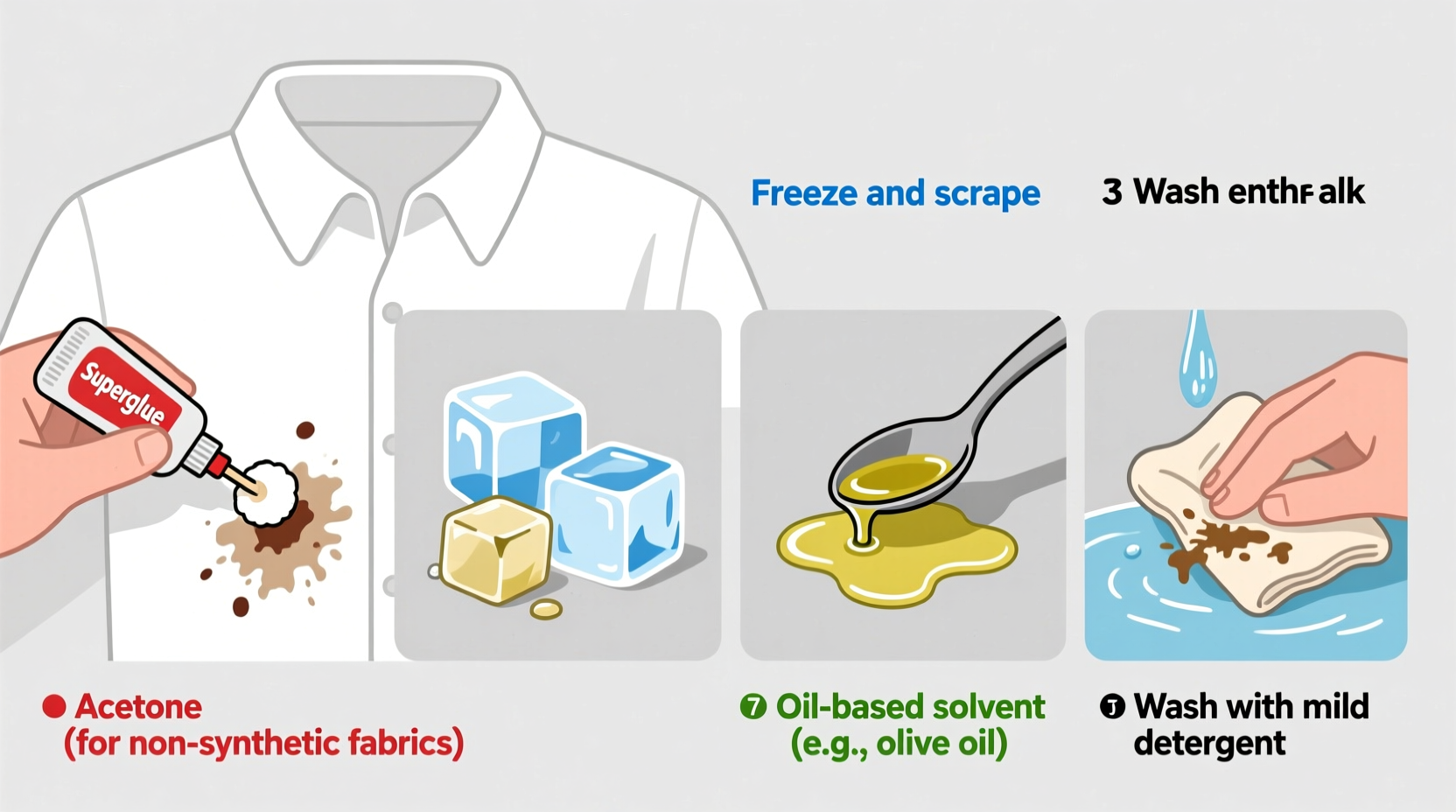
Superglue, commonly made from cyanoacrylate, bonds rapidly upon contact with moisture—even the trace amount in air or on fabric fibers. Once set, it forms a rigid plastic-like layer that adheres tightly to surfaces, including cotton, polyester, denim, and blends. The challenge lies in breaking this bond without weakening or discoloring the fabric.
Fabrics vary in sensitivity. Natural fibers like cotton and wool may tolerate certain solvents better than synthetics such as nylon or spandex, which can degrade under harsh chemicals. Heat and mechanical stress (like scraping) can also compromise delicate weaves. Therefore, identifying the fabric type before treatment is essential.
“Immediate response is critical. The longer superglue sets, the harder it becomes to remove without risking fabric integrity.” — Dr. Lena Peterson, Textile Chemist at the Institute of Fabric Care
Step-by-Step Guide to Remove Superglue Safely
Follow this systematic process to maximize effectiveness while minimizing fabric damage:
- Assess the fabric type: Check the garment’s care label. Delicate materials (silk, lace, spandex) require gentler methods.
- Act quickly: Fresh glue is easier to manage. If the glue is still wet, blot gently with a paper towel—do not rub.
- Freeze the glue (for dried residue): Place the garment in a sealed plastic bag and freeze for 2–3 hours. Cold makes cured glue brittle.
- Peel or gently scrape: After freezing, use a blunt edge (butter knife or credit card) to lift the glue. Apply minimal pressure to avoid fiber tearing.
- Apply a solvent (if needed): For remaining residue, choose an appropriate agent based on fabric type.
- Rinse and launder: After treatment, wash the garment according to care instructions to remove any chemical traces.
Safe Solvent Options and Their Uses
Different solvents work through various mechanisms—some break molecular bonds, others dissolve the adhesive. Not all are suitable for every fabric. Below is a comparison of common options:
| Solvent | How It Works | Fabric Suitability | Caution |
|---|---|---|---|
| Acetone (nail polish remover) | Dissolves cyanoacrylate rapidly | Cotton, denim, canvas | Avoid on acetate, rayon, or painted fabrics; may cause melting |
| Isopropyl alcohol (70%+) | Weakens glue bond over time | Most synthetics, blends | Less aggressive; safe for colors; may require repeated applications |
| Vinegar (white distilled) | Mild acid softens glue | Delicate fabrics (silk, wool) | Use warm vinegar; less effective on thick deposits |
| Dish soap + warm water | Lifts residue via emulsification | All washable fabrics | Best for minor smears; requires soaking |
For acetone: Dampen a cotton ball and dab—not pour—onto the glue spot. Blot gently every few minutes. Rinse thoroughly after 5–10 minutes. For alcohol or vinegar, soak a cloth and lay it over the area for 15–20 minutes before attempting to lift residue.
Real Example: Removing Glue from a Cotton Shirt Sleeve
Mark, a DIY enthusiast, accidentally glued his cotton work shirt sleeve while repairing a shelf bracket. He noticed the hardened blob (about the size of a dime) within two hours. Instead of peeling immediately, he placed the shirt in the freezer for three hours. Upon removal, he used a butter knife to gently flake off the bulk of the glue. A small, cloudy residue remained. He applied acetone with a cotton swab, working from the edge inward. After five minutes, he rinsed the area with cold water and laundered the shirt normally. The stain disappeared, and no fabric damage occurred.
This case illustrates how combining physical removal (freezing and scraping) with targeted solvent use preserves garment quality.
Checklist: What to Do When Superglue Hits Clothes
- ✅ Identify the fabric type using the care label
- ✅ Act within the first few hours if possible
- ✅ Freeze the garment if glue has dried
- ✅ Gently scrape off brittle glue chunks
- ✅ Test solvent on hidden fabric area
- ✅ Apply solvent sparingly with a cotton swab
- ✅ Launder afterward using recommended settings
- ❌ Avoid heat (dryer, iron) until glue is fully removed
- ❌ Never use sharp tools that could cut fabric
Common Mistakes That Cause More Damage
Well-intentioned efforts can backfire. Common errors include:
- Using boiling water: Can set the glue further and shrink natural fibers.
- Applying undiluted bleach: Reacts poorly with cyanoacrylate and weakens fabric.
- Ironing over glue: Melts the adhesive into fibers, making it nearly impossible to remove.
- Aggressive scrubbing: Creates holes or fuzziness, especially in knits.
When in doubt, opt for the mildest method first. Dish soap and warm water may take longer but pose minimal risk.
FAQ: Common Questions About Superglue Removal
Can I use WD-40 to remove superglue from clothes?
While WD-40 can loosen adhesives, it contains petroleum distillates that may stain or degrade fabric. It’s also flammable and difficult to rinse completely. Safer alternatives like isopropyl alcohol are preferred.
Will vinegar remove superglue completely?
Vinegar is effective for thin layers or fresh spills, especially on delicate fabrics. Warm white vinegar applied repeatedly over 20–30 minutes can soften glue enough for gentle wiping. However, thick deposits usually require stronger solvents.
What if the glue is on a colored garment?
Always test solvents on a hidden seam first. Acetone can strip dyes, especially in synthetic blends. Isopropyl alcohol is generally safer for colorfastness. If in doubt, use vinegar or consult a professional cleaner.
Conclusion: Restore Your Garments with Confidence
Removing superglue from clothes doesn’t have to mean sacrificing the garment. With careful assessment, timely action, and the right technique, most fabrics can be restored to their original condition. Start with non-chemical methods like freezing and scraping, then progress to solvents only if necessary. Always prioritize fabric safety over speed. By understanding your materials and following these expert-backed steps, you can handle glue mishaps calmly and effectively.




 浙公网安备
33010002000092号
浙公网安备
33010002000092号 浙B2-20120091-4
Comments
No comments yet. Why don't you start the discussion?