
Synthetic paint stains—whether from acrylics, latex, or enamel paints—can be stubborn and difficult to remove from fabric. Unlike oil-based or watercolor paints, synthetic varieties often contain polymers that bond tightly with fibers, making them resistant to regular washing. However, with the right approach and timely action, it’s entirely possible to restore your garments without damaging the material. This guide outlines practical, tested strategies for tackling these tough stains using accessible household products while preserving fabric integrity.
Understanding Synthetic Paint and Fabric Interaction
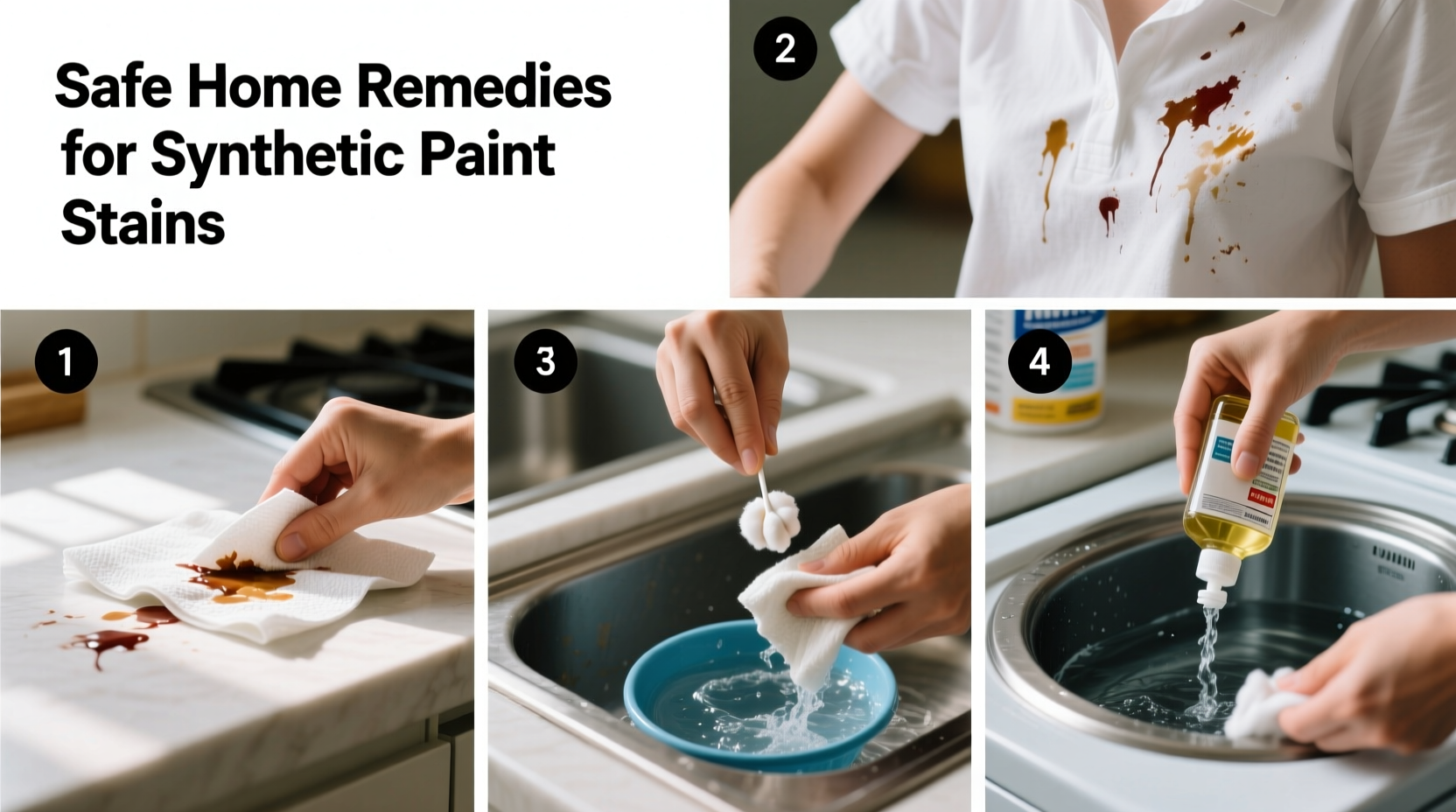
Synthetic paints are engineered for durability, which is great for walls and canvases but problematic when they end up on clothing. These paints typically dry into a flexible film, resisting water once cured. The key challenge lies in the drying timeline: fresh stains respond well to water-based solvents, but dried stains require stronger agents like rubbing alcohol, acetone, or specialized paint removers.
Fabric type also plays a crucial role. Natural fibers like cotton absorb paint more deeply, while synthetics such as polyester may allow easier surface removal. Delicate fabrics like silk or wool demand gentler treatments to avoid degradation.
“Time is your biggest ally when dealing with paint stains. The sooner you act, the higher your chances of complete removal.” — Dr. Linda Harper, Textile Chemist, Institute of Fabric Care
Step-by-Step Guide to Removing Fresh Synthetic Paint Stains
Fresh paint has not yet formed a permanent bond with the fabric, making it significantly easier to treat. Immediate intervention can prevent the need for harsh chemicals later.
- Blot excess paint: Use a clean cloth or paper towel to gently lift as much wet paint as possible. Avoid rubbing, which pushes the stain deeper into the fibers.
- Rinse from the back: Hold the stained area under cold running water, flushing the paint out from the reverse side to push it away from the fabric surface.
- Apply dish soap: Use a few drops of liquid dishwashing detergent (like Dawn) directly on the stain. Gently work it in with your fingers or a soft brush.
- Soak for 15–30 minutes: Submerge the garment in a basin of cold water mixed with detergent. Agitate occasionally.
- Check and repeat if needed: After soaking, rinse thoroughly. If the stain remains, repeat before laundering.
- Wash normally: Launder the garment according to its care label using the warmest water safe for the fabric. Check the stain before drying—heat sets remaining paint permanently.
Removing Dried Synthetic Paint Stains
Dried paint forms a plastic-like layer on fabric, requiring solvents to break down the polymer structure. The method varies depending on the solvent used and the fabric composition.
Using Rubbing Alcohol (Isopropyl Alcohol)
Alcohol is effective on many synthetic paints, especially acrylics, because it disrupts the polymer chains without overly damaging most fabrics.
- Lay the garment flat with the stain facing up.
- Place a clean towel beneath the stained area to absorb runoff.
- Dampen a cotton ball or cloth with 70% isopropyl alcohol.
- Gently dab the stain, working from the outside inward to prevent spreading.
- As the paint softens, use a soft-bristled toothbrush to lightly scrub.
- Rinse with cold water and apply dish soap before laundering.
Acetone for Tough Enamel or Latex Paints
Acetone (found in nail polish remover) is powerful but risky for delicate or synthetic fabrics like acetate or spandex, which it can dissolve.
- Test acetone on a hidden area first.
- Use sparingly on cotton, denim, or heavy-duty fabrics only.
- Apply with a cotton swab, let sit for 10–20 seconds, then blot.
- Repeat until paint lifts, then wash immediately to remove residue.
Do’s and Don’ts: A Quick Reference Table
| Action | Do | Don’t |
|---|---|---|
| Initial Response | Blot wet paint immediately | Rub the stain aggressively |
| Water Temperature | Use cold water initially | Apply hot water early—it sets the stain |
| Solvent Use | Test on a hidden area first | Use strong solvents on silk, rayon, or acetate |
| Drying | Air-dry after treatment to check results | Tumble dry before confirming stain removal |
| After Treatment | Wash in the machine post-treatment | Leave chemical residues on fabric |
Real Example: Recovering a Work Shirt After a DIY Project
Mark, a homeowner refinishing his garage, accidentally splattered latex-based synthetic paint on his favorite cotton button-down shirt. He didn’t notice the stains until hours later, when the paint had dried into small speckles across the sleeve and chest.
He began by laying the shirt on a towel and applying isopropyl alcohol with a cotton pad. After five minutes of gentle dabbing and light brushing with an old toothbrush, the paint began flaking off. He repeated the process twice, rinsed under cold water, applied dish soap, and laundered the shirt in warm water. Upon air-drying, the stains were gone, and the fabric remained intact.
This case illustrates how even delayed responses can succeed with consistent effort and the correct materials.
Checklist: Removing Synthetic Paint Stains at Home
- ☐ Identify the paint type (acrylic, latex, enamel)
- ☐ Determine fabric composition (check care label)
- ☐ Act quickly—treat fresh stains within 1–2 hours
- ☐ Blot, don’t rub, excess paint
- ☐ Test solvents on a hidden area
- ☐ Use cold water for initial rinsing
- ☐ Choose appropriate solvent: dish soap (fresh), alcohol (dried), acetone (tough, non-delicate fabrics)
- ☐ Rinse thoroughly after chemical treatment
- ☐ Wash in machine using proper settings
- ☐ Air-dry and inspect before using dryer
Frequently Asked Questions
Can I use vinegar to remove synthetic paint stains?
Vinegar alone is generally ineffective against synthetic paint because it lacks the solvent strength needed to break down polymers. However, it can be used in combination with baking soda for mild surface cleaning or odor removal after primary stain treatment. For paint, stick to alcohol or acetone-based solutions.
What if the paint has already been through the dryer?
Heat from the dryer permanently sets synthetic paint, making removal extremely difficult. Your best option is to use acetone cautiously on sturdy fabrics. Even then, complete removal may not be possible. In such cases, consider covering the stain with embroidery, a patch, or repurposing the garment for tasks where appearance doesn’t matter.
Are there eco-friendly alternatives to chemical solvents?
Yes. Citrus-based degreasers (like those containing d-limonene) offer a biodegradable alternative to petroleum-based solvents. They are effective on many synthetic paints and less harmful to skin and the environment. Always verify compatibility with your fabric type and ventilate the area during use.
Final Tips for Long-Term Success
Prevention is just as important as treatment. When working with synthetic paints, wear old clothes or protective aprons. Keep a dedicated stain removal kit with gloves, cloths, dish soap, rubbing alcohol, and cotton balls nearby for immediate response.
Always read garment care labels before applying any substance. Some high-performance fabrics have coatings that can be compromised by alcohol or acetone. When in doubt, consult a professional cleaner—especially for expensive or sentimental items.
“The goal isn’t just to remove the stain, but to preserve the garment’s lifespan and appearance.” — National Cleaning Association
Take Action Today
You don’t need industrial-grade products or expensive services to tackle synthetic paint stains. With prompt attention, the right technique, and common household supplies, most stains can be managed effectively at home. Whether you’re an artist, DIY enthusiast, or parent helping with a school project, being prepared makes all the difference. Try one of the methods outlined here the next time paint lands where it shouldn’t—and save your clothes from the donation pile.




 浙公网安备
33010002000092号
浙公网安备
33010002000092号 浙B2-20120091-4
Comments
No comments yet. Why don't you start the discussion?