
Sending a text message may seem simple—until you need to reach someone without revealing your identity, avoid using your personal number, or ensure the message arrives securely. Whether for professional outreach, personal privacy, or emergency communication, knowing how to send texts effectively and safely is essential in today’s digital world. The right tools and techniques can protect your information while ensuring delivery.
From web-based SMS platforms to encrypted messaging apps, there are multiple approaches tailored to different needs. Understanding these options—and their trade-offs—is key to choosing the best method for your situation.
Understanding Secure Messaging: What “Secure” Really Means
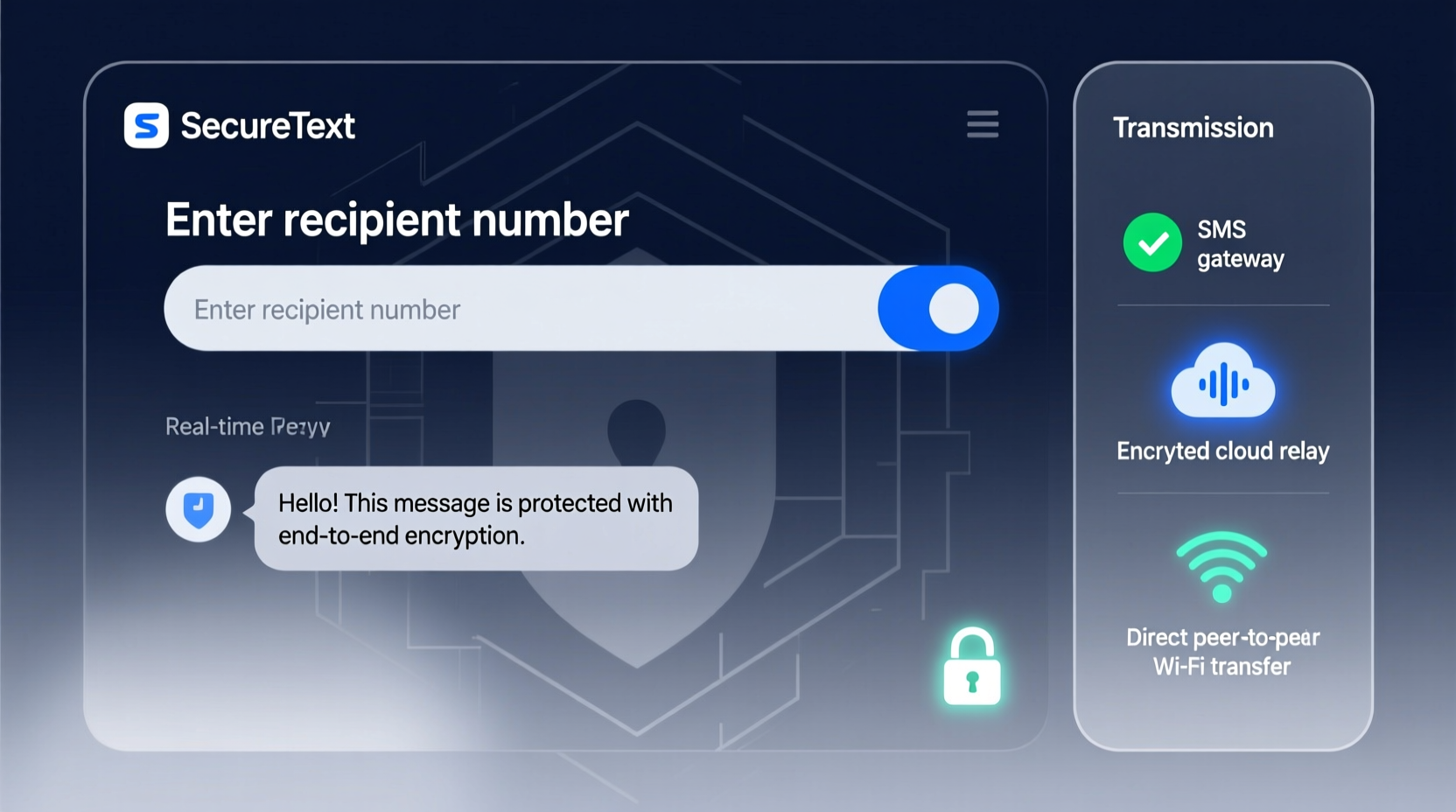
Security in texting isn’t just about encryption. It also involves anonymity, data retention policies, and protection against interception. True security means that only the intended recipient can read your message, and no third party—including service providers—can access it without authorization.
Many traditional SMS services transmit messages over carrier networks without end-to-end encryption. This makes them vulnerable to interception, especially on public networks. In contrast, secure messaging platforms use cryptographic protocols to safeguard content from creation to delivery.
“Not all ‘secure’ messaging apps are created equal. Look beyond marketing claims and verify whether they implement true end-to-end encryption.” — Dr. Lena Patel, Cybersecurity Researcher at MIT
Top 5 Methods to Send Texts Anonymously and Safely
Below are five reliable methods to send text messages to any phone number while maintaining control over privacy and delivery assurance.
1. Use Encrypted Messaging Apps with SMS Integration
Apps like Signal and Threema offer secure texting with optional SMS/MMS support. While primarily designed for app-to-app communication, some allow sending encrypted messages through linked phone numbers—even to non-users via SMS (with reduced encryption).
- Pros: High-level encryption, open-source code (Signal), no data mining.
- Cons: Recipient must install the app for full security; SMS fallback lacks full protection.
2. Web-Based SMS Gateways
Services like TextNow, TextFree, or Dingtone provide virtual phone numbers accessible via browser or app. You can send free or low-cost texts globally without linking a personal device.
These platforms assign you a real U.S., Canadian, or international number, allowing two-way conversations. They’re ideal for temporary outreach, customer follow-ups, or protecting your primary line.
| Service | Cost | Encryption | Best For |
|---|---|---|---|
| TextNow | Free (ad-supported) | Limited (HTTPS only) | Casual, domestic use |
| Dingtone | Freemium model | No E2E encryption | International texting |
| Twilio (Programmatic) | Pay-per-use | Transport-layer security | Business automation |
3. Email-to-SMS Gateways
Most mobile carriers operate email-to-SMS gateways. By formatting an email correctly, you can deliver a text directly to a recipient’s phone.
To use this method, find the carrier’s SMS gateway domain (e.g., @vtext.com for Verizon) and send an email to [number]@[carrierdomain]. If the carrier is unknown, generic lookup tools exist—but success varies.
- Find the recipient’s phone number.
- Determine their carrier (via online lookup or trial).
- Format the email address: 1234567890@vtext.com
- Send a concise message (subject lines often appear as content).
- Wait for delivery confirmation (if supported).
This method offers limited tracking and no read receipts, but it requires no app installation and preserves sender anonymity if using a disposable email.
4. Burner Phone Apps
Burner apps like Hushed, Burner, or MySudo let you create temporary phone numbers for calls and texts. These numbers can be deleted after use, making them perfect for short-term interactions—like selling items online or contacting strangers.
Paid plans offer enhanced features such as local area codes, voicemail, and cross-device sync. All communications are routed through secure servers, though not always end-to-end encrypted.
5. API-Driven Platforms for Bulk or Automated Messaging
For businesses or frequent senders, platforms like Twilio, Plivo, or MessageBird enable programmatic SMS delivery. Developers integrate APIs into websites or CRMs to automate appointment reminders, alerts, or notifications.
These services support global delivery, compliance with regulations (e.g., TCPA), and detailed analytics. However, they require technical setup and adherence to anti-spam policies.
Twilio, for example, mandates verification of sender IDs and enforces opt-in requirements for recipients in regulated regions.
Real-World Scenario: Protecting Privacy During Job Search
Consider Maria, a job seeker applying for roles across states. She uses a temporary housing arrangement and doesn’t want to share her personal cell number during initial employer contact.
She signs up for a free TextNow account, gets a local virtual number, and adds it to her resume. Employers call and text her without accessing her private line. After landing a position, she deletes the account—keeping her personal information intact.
This approach shields her from unwanted solicitations and maintains professionalism without sacrificing accessibility.
Checklist: Sending a Secure Text – Step-by-Step Guide
Follow this checklist to ensure your message is sent securely and reaches its destination:
- ✅ Identify the purpose: Is anonymity needed? Is encryption critical?
- ✅ Choose a method based on urgency, budget, and privacy level.
- ✅ Verify the recipient’s number format (include country code if international).
- ✅ Test with a small message first (especially with new services).
- ✅ Avoid sharing sensitive data (SSN, passwords) via unencrypted channels.
- ✅ Delete logs or accounts after use if anonymity is required.
- ✅ Confirm receipt if the message is time-sensitive.
Common Pitfalls to Avoid
Even with the right tools, mistakes can compromise security or lead to failed delivery.
- Assuming all “free” apps are safe
- Some ad-supported apps monetize user data. Always review permissions and privacy policies.
- Sending sensitive info via unencrypted SMS
- Carrier SMS lacks modern encryption. Never send financial details or IDs this way.
- Ignoring legal compliance
- In the U.S., unsolicited commercial texts violate TCPA rules unless the recipient has opted in.
Frequently Asked Questions
Can I send a text without showing my real number?
Yes. Virtual number apps (like TextNow or Hushed) and web SMS gateways let you send messages without exposing your personal phone number. Some even allow masking your identity entirely.
Are anonymous texting apps legal?
Using anonymous texting services is legal in most countries for legitimate purposes. However, using them to harass, scam, or impersonate others is illegal and can result in criminal charges.
Do encrypted apps work for texting regular phone numbers?
Only partially. Apps like Signal and WhatsApp encrypt messages between users of the same app. To send to standard phone numbers outside the network, they fall back to SMS, which is not end-to-end encrypted by default.
Final Thoughts: Balance Convenience, Security, and Responsibility
The ability to send a text message to any phone number has never been easier—but ease should never come at the cost of ethics or safety. Whether you're shielding your identity, reaching out professionally, or automating business communications, choose tools that align with your values and goals.
Always prioritize consent, clarity, and caution. A well-sent message respects both the technology and the human on the other end.




 浙公网安备
33010002000092号
浙公网安备
33010002000092号 浙B2-20120091-4
Comments
No comments yet. Why don't you start the discussion?