
Apple’s Family Sharing is a powerful tool for distributing app purchases among up to six family members. But what if you want to share an app with a close friend, a colleague, or someone outside your household? While Apple restricts direct app gifting in many regions, there are still several legitimate, user-friendly methods to help others access the apps you love—without violating terms of service or compromising security.
From leveraging Apple’s limited gifting options to creative workarounds involving shared devices and communication strategies, this guide explores practical, real-world approaches that go beyond the standard Family Sharing model.
Why Family Sharing Isn’t Always Enough
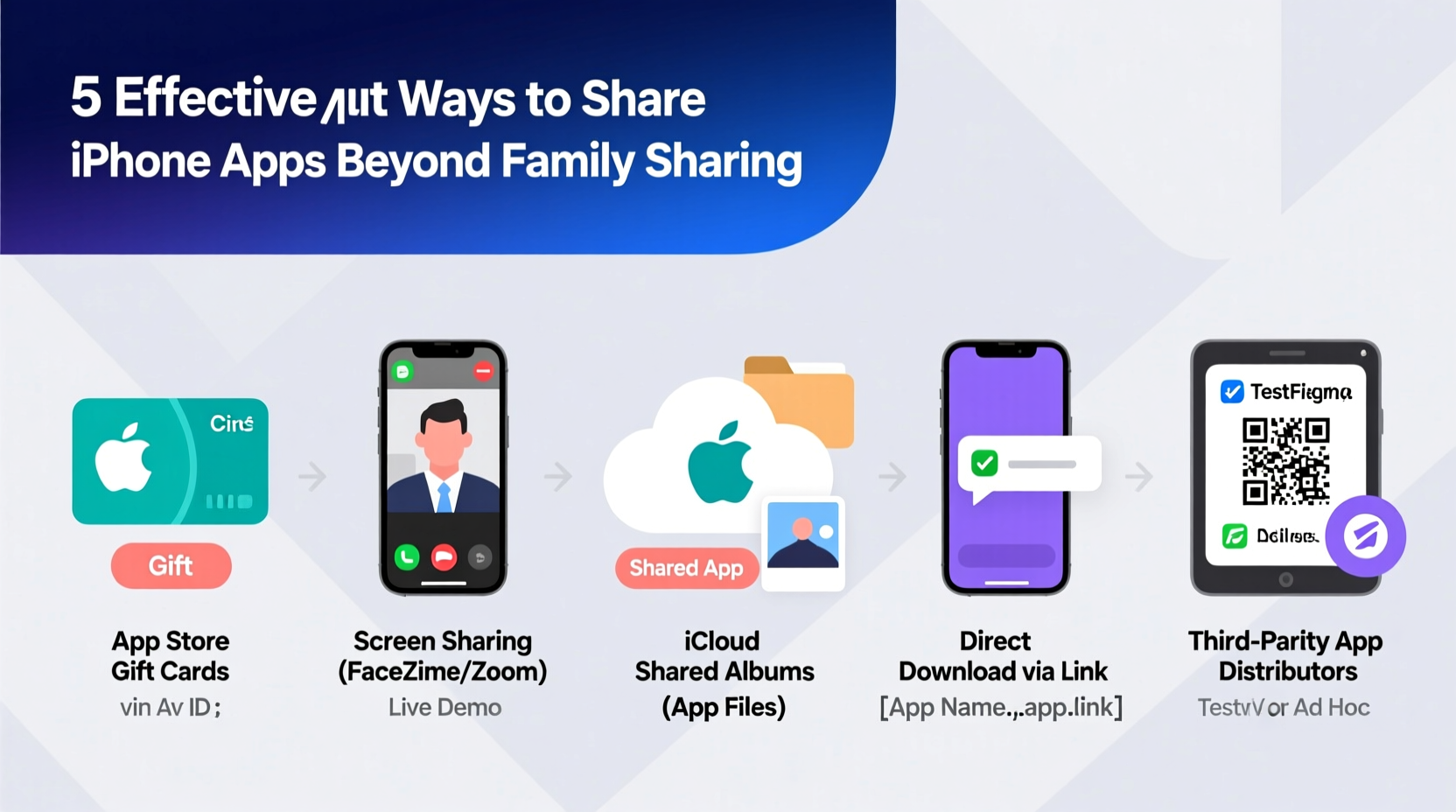
Family Sharing requires all participants to be part of the same family group, use the same payment method, and often live in the same country or region. These constraints make it impractical for sharing apps with non-family members—even if they’re close friends or coworkers who could benefit from a specific productivity or wellness tool.
Additionally, some users prefer not to join a family group due to privacy concerns or financial independence. This limits the reach of app sharing, especially when trying to recommend tools like meditation apps, language-learning platforms, or niche utilities.
Method 1: Use Apple’s App Gifting (Where Available)
Although discontinued in many countries, Apple still supports app gifting in select regions such as the United States, Canada, and the UK. When enabled, this feature allows you to purchase and send an app directly through the App Store as a gift.
- Open the App Store and find the app you’d like to gift.
- Tap the app’s price button (e.g., “Get” or the dollar amount).
- Select “Gift This App” from the dropdown menu.
- Enter the recipient’s email address and a personal message.
- Complete the purchase using your Apple ID balance or payment method.
The recipient receives an email with instructions to download the app using their own Apple ID. The app becomes theirs permanently, even if they change devices.
“App gifting remains one of the most elegant ways to introduce someone to a digital tool you rely on.” — Jordan Lee, Mobile Experience Designer at UX Collective
Note: Not all apps are eligible for gifting. Free apps cannot be gifted, and developers can opt out of the program. Also, in-app purchases are not included unless specified.
Method 2: Share Recommendations via Personalized Links
One of the simplest yet most underused methods is sharing curated links to apps. Every app in the App Store has a unique URL that can be copied and sent via Messages, email, or social media.
To generate a link:
- Search for the app in the App Store.
- Tap the app icon to open its details page.
- Tap the three-dot menu (•••) and choose “Share.”
- Select “Copy Link” or share directly via messaging apps.
You can enhance the impact by adding context: explain why you use the app, how it improved your routine, or include a short tip for getting started.
Do’s and Don’ts of App Link Sharing
| Action | Recommended? | Reason |
|---|---|---|
| Send a personalized note with the link | ✅ Yes | Increases likelihood of download and engagement |
| Spam multiple apps at once | ❌ No | Feels pushy; lowers response rate |
| Use shortened URLs without context | ❌ No | Raises security concerns |
| Follow up after they install | ✅ Yes | Builds trust and encourages habit formation |
Method 3: Leverage Shared Devices Strategically
If you and a friend or family member occasionally use the same iPad or iPhone (such as a shared home device), you can install apps on that device and let them access them locally. While this doesn’t transfer ownership, it allows hands-on experience.
This method works well for:
- Educational apps used by children
- Workout or cooking apps used together
- Games played in person
Just ensure you sign out of your Apple ID after installation if privacy is a concern. Navigate to Settings > [Your Name] > Media & Purchases > Use Separate Password to allow others to use apps without accessing your account.
Method 4: Create a “Recommended Apps” List
Curate a simple digital list—using Notes, a shared Google Doc, or even a dedicated webpage—that highlights your favorite apps grouped by category (e.g., productivity, health, creativity).
Include for each app:
- Name and developer
- Direct App Store link
- Brief description (1–2 sentences)
- Your personal rating (e.g., ★★★★☆)
This approach scales well. One list can serve multiple people, and you can update it over time. Some users even turn these into QR codes posted on fridges or desks for quick access.
Mini Case Study: Helping an Aging Parent Stay Connected
Sophia, 29, wanted her 72-year-old father to start using a medication reminder app after he missed doses following surgery. He wasn’t tech-savvy and resisted joining her Family Sharing group.
Instead of forcing integration, Sophia created a printed sheet with two app recommendations: one for pill tracking and another for video calls. She included large-font instructions, a QR code linking to the App Store page, and offered to set it up during their weekly visit.
Within days, her father downloaded the app, customized his schedule, and began receiving reminders. The low-pressure, educational approach worked far better than technical coercion.
Method 5: Educate and Support Post-Download
Sharing an app isn’t complete at the download stage. True value comes when the recipient actually uses it. Offer follow-up support—answer questions, show shortcuts, or share custom settings.
For example, if you recommend a budgeting app, walk them through connecting their bank account or setting monthly goals. That extra step transforms a casual suggestion into meaningful digital mentorship.
Checklist: How to Effectively Share an App Beyond Family Sharing
- ✅ Confirm the recipient’s device compatibility (iOS version, storage space)
- ✅ Choose the right method: gifting, link sharing, or in-person setup
- ✅ Provide context: explain why the app matters and how you use it
- ✅ Send a direct App Store link or QR code for easy access
- ✅ Offer post-installation guidance or troubleshooting help
- ✅ Respect boundaries—don’t pressure or over-share
Frequently Asked Questions
Can I transfer an app purchase to someone else’s Apple ID?
No. Apple does not allow direct transfer of app ownership between Apple IDs. Purchases are tied to the original account. However, you can gift eligible apps where the feature is available, giving full ownership to the recipient.
Is sideloading apps a safe alternative?
No. Sideloading iOS apps outside the App Store (via third-party stores or enterprise certificates) violates Apple’s terms, poses serious security risks, and may lead to device instability or data theft. Always use official channels.
What if the person doesn’t have an Apple ID?
You can help them create one. Go to Settings > Sign in to iPhone and follow the prompts. They don’t need a credit card—select “None” as the payment method if no paid apps are planned.
Conclusion
Sharing iPhone apps with friends and family doesn’t require complex setups or rule-breaking workarounds. By combining thoughtful communication, strategic use of Apple’s gifting tools, and post-download support, you can meaningfully expand access to digital tools that improve lives.
Technology thrives when knowledge is shared. Whether it’s helping a sibling discover a better note-taking app or guiding a friend toward mindfulness, your recommendations carry weight. Start small, stay patient, and remember—the best app shares aren’t just about downloads, but about connection.




 浙公网安备
33010002000092号
浙公网安备
33010002000092号 浙B2-20120091-4
Comments
No comments yet. Why don't you start the discussion?