
Psoriasis is a chronic autoimmune condition affecting millions worldwide, characterized by rapid skin cell growth that leads to thick, scaly patches on the skin. Despite its visibility, diagnosing psoriasis isn’t always straightforward. Symptoms can mimic other skin conditions like eczema or fungal infections, leading to misdiagnosis or delayed treatment. An accurate diagnosis is essential not only for effective management but also to prevent complications such as psoriatic arthritis. This guide outlines the most reliable methods used by dermatologists and healthcare providers to test for and confirm psoriasis.
Understanding Psoriasis: Types and Common Symptoms
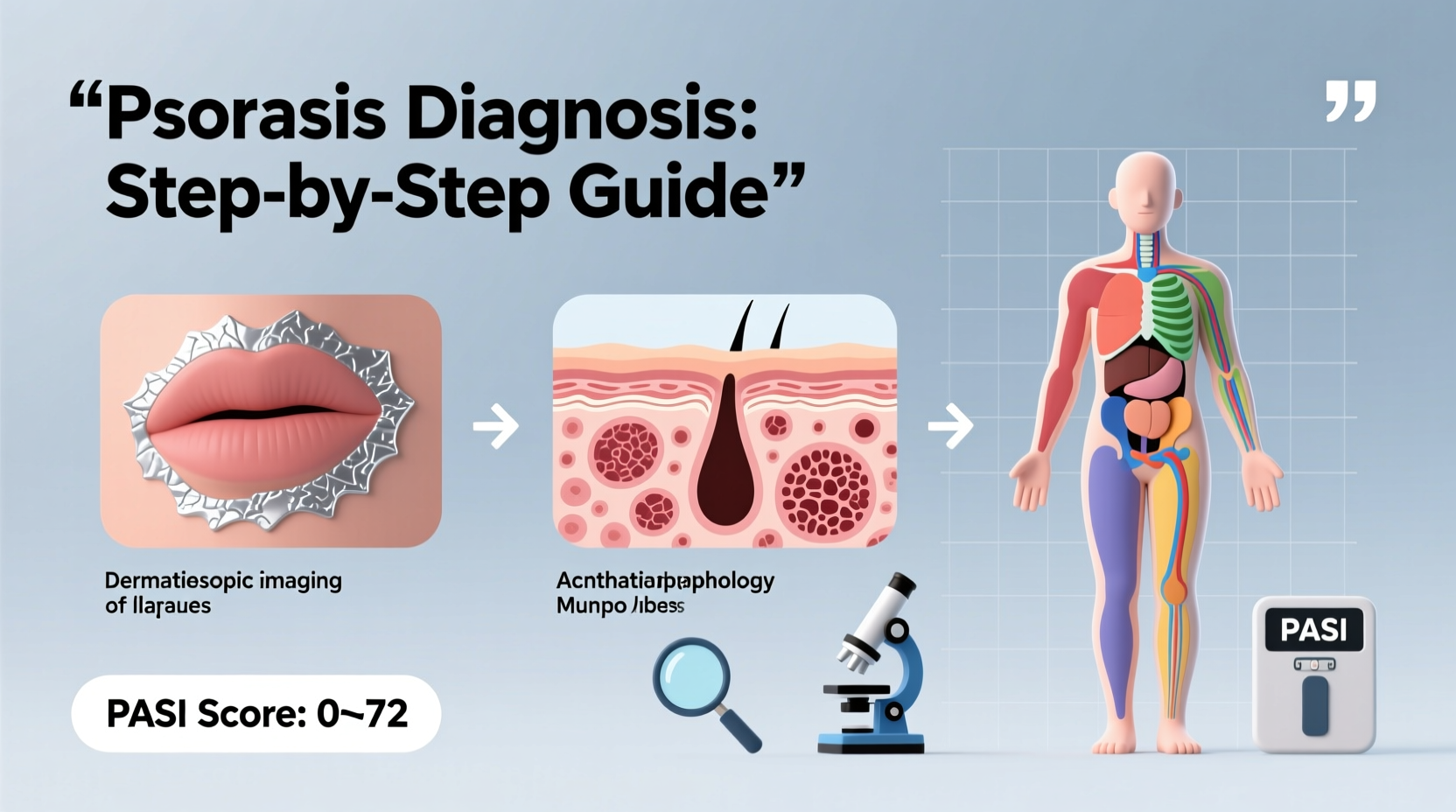
Before testing begins, it’s important to recognize the clinical presentation of psoriasis. The condition manifests in several forms, each with distinct characteristics:
- Plaque Psoriasis (Psoriasis Vulgaris): The most common type, presenting as raised, red patches covered with silvery-white scales, typically on elbows, knees, scalp, and lower back.
- Guttate Psoriasis: Small, dot-like lesions often triggered by streptococcal infections, commonly seen in children and young adults.
- Inverse Psoriasis: Smooth, red lesions found in skin folds such as underarms, groin, or under breasts.
- Pustular Psoriasis: White pustules surrounded by red skin, usually on hands or feet.
- Erythrodermic Psoriasis: A rare, severe form causing widespread redness and exfoliation, requiring immediate medical attention.
Symptoms may include itching, burning, cracked skin, and nail changes such as pitting or separation from the nail bed. Because these signs overlap with other dermatological conditions, professional evaluation is crucial.
Physical Examination and Clinical Evaluation
The cornerstone of psoriasis diagnosis is a thorough physical examination by a qualified dermatologist. During the visit, the clinician assesses lesion morphology, distribution, and consistency with known psoriasis patterns. Key diagnostic indicators include:
- Auspitz Sign: Pinpoint bleeding when scales are scraped off, indicating capillary fragility beneath plaques.
- Koebner Phenomenon: Development of new lesions at sites of skin injury.
- Nail Involvement: Pitting, onycholysis (nail lifting), or oil-drop discoloration strongly suggest psoriatic disease.
While experienced dermatologists can diagnose psoriasis confidently based on visual inspection alone—especially in classic plaque presentations—additional testing may be required when the case is atypical or coexists with other conditions.
Diagnostic Testing Methods for Confirmation
When clinical judgment is insufficient, several diagnostic tools help confirm psoriasis and rule out mimicking disorders.
Skin Biopsy
A skin biopsy is the gold standard for definitive diagnosis. A small sample of affected skin is removed and examined under a microscope. Histopathological features of psoriasis include:
- Parakeratosis (retained nuclei in the stratum corneum)
- Thickened epidermis (acanthosis)
- Dilated blood vessels in the dermal papillae
- Absence of spongiosis (which differentiates it from eczema)
This test is minimally invasive and typically performed in-office using local anesthesia.
Dermoscopy
Dermoscopy allows high-magnification visualization of skin structures without removal. In psoriasis, it reveals regularly distributed dotted vessels over a red background—a pattern distinct from lichen planus or pityriasis rosea. Though not conclusive alone, it enhances diagnostic accuracy when combined with clinical findings.
Wood’s Lamp Examination
Used primarily to rule out fungal infections, which can resemble inverse or scalp psoriasis. Under ultraviolet light, certain fungi fluoresce, helping differentiate them from non-fluorescent psoriatic lesions.
“Approximately 20% of initial psoriasis diagnoses are incorrect due to overlapping symptoms. Confirmatory testing reduces misdiagnosis and improves long-term outcomes.” — Dr. Rebecca Langston, MD, Dermatology Specialist, Mayo Clinic
Step-by-Step Guide to Getting Diagnosed
If you suspect you have psoriasis, follow this structured approach to ensure timely and accurate diagnosis:
- Document Your Symptoms: Take notes and photos of skin changes, including location, timing, and response to over-the-counter treatments.
- Schedule a Dermatology Appointment: Seek care from a board-certified dermatologist, ideally one with experience in inflammatory skin diseases.
- Prepare for the Visit: List medications, family history of psoriasis or autoimmune disorders, and potential triggers (stress, illness, injury).
- Undergo Clinical Assessment: Allow the doctor to examine all affected areas, including nails and scalp.
- Proceed with Testing if Needed: If the diagnosis is unclear, consent to a skin biopsy or additional imaging.
- Receive and Review Diagnosis: Ask for a detailed explanation of findings and next steps in management.
Do’s and Don’ts During the Diagnostic Process
| Do’s | Don’ts |
|---|---|
| Do seek early evaluation for persistent rashes | Don’t self-diagnose using online images |
| Do share complete medical and family history | Don’t stop prescribed treatments abruptly |
| Do keep skin moisturized before visits | Don’t apply heavy topical steroids before biopsy |
| Do ask for copies of lab reports | Don’t delay follow-up if symptoms worsen |
Real-World Example: Delayed Diagnosis Due to Misidentification
Sarah, a 34-year-old teacher, noticed red, scaly patches behind her knees and on her elbows. She initially treated them with eczema creams purchased over the counter. After six months of worsening symptoms and no improvement, she consulted a dermatologist. Upon examination, the doctor observed nail pitting and Auspitz sign during scale removal. A skin biopsy confirmed plaque psoriasis. Sarah had unknowingly delayed proper treatment for over half a year due to misclassification of her condition. With correct diagnosis, she began phototherapy and saw significant improvement within eight weeks.
This case highlights how easily psoriasis can be mistaken for other conditions—and why objective testing matters.
Frequently Asked Questions
Can blood tests diagnose psoriasis?
No single blood test can diagnose psoriasis. However, blood work may be ordered to check for markers of inflammation or to screen for psoriatic arthritis, especially if joint pain is present. Elevated CRP or ESR levels support systemic involvement but are not diagnostic alone.
Is psoriasis hereditary?
Yes, genetics play a significant role. About 40% of people with psoriasis have a family member with the condition. Specific gene variants, such as those in the HLA-Cw6 locus, increase susceptibility, though environmental triggers are usually required to initiate the disease.
How long does it take to get a confirmed diagnosis?
Clinical diagnosis can occur in a single visit. If a biopsy is needed, results typically take 7–10 days. Complex cases involving joint symptoms may require rheumatology referral, extending the timeline to several weeks for full evaluation.
Conclusion: Take Charge of Your Skin Health
Accurate diagnosis of psoriasis is the critical first step toward effective, personalized treatment. While visible symptoms may seem obvious, relying solely on appearance risks misdiagnosis and ineffective care. Combining clinical expertise with tools like skin biopsy and dermoscopy ensures clarity and confidence in diagnosis. If you’re experiencing unexplained skin changes, don’t wait for them to resolve on their own. Consult a dermatologist, advocate for thorough evaluation, and use available testing methods to gain control over your health.




 浙公网安备
33010002000092号
浙公网安备
33010002000092号 浙B2-20120091-4
Comments
No comments yet. Why don't you start the discussion?