
In an age where digital communication is both essential and vulnerable, maintaining privacy when texting has become more important than ever. Whether you're reaching out to someone who only accepts messages from unknown numbers, protecting yourself from unwanted exposure, or simply valuing discretion, knowing how to send a text to a private number without revealing your identity is a practical skill. The key lies in balancing anonymity with responsibility—ensuring your actions remain ethical, legal, and secure.
This guide explores proven techniques for sending anonymous texts, evaluates the tools available, and outlines best practices that preserve your digital footprint while achieving your communication goals.
Understanding Privacy in Text Messaging
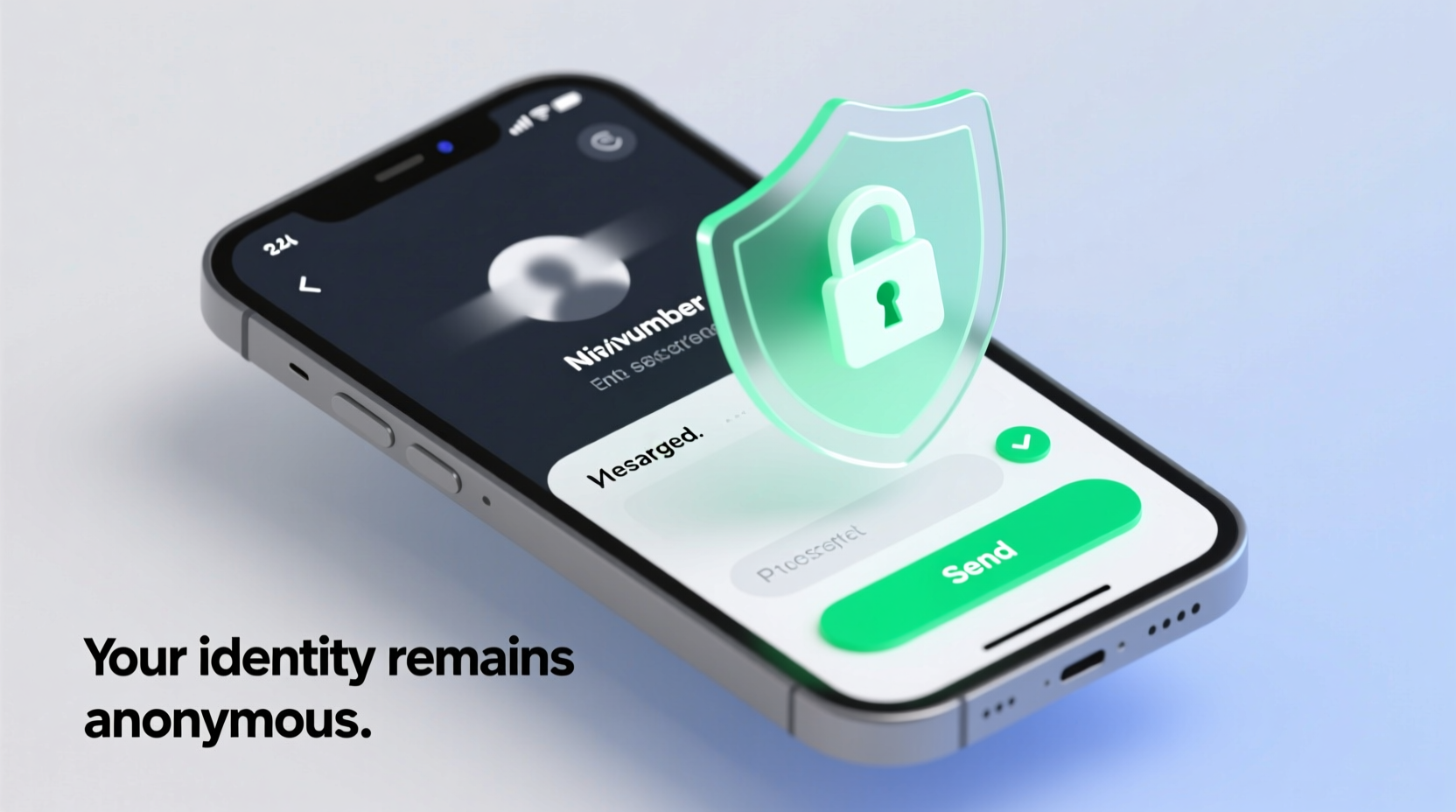
Standard SMS messages are tied directly to your phone number, making true anonymity difficult through conventional carriers. When you send a message via your mobile provider, your number is automatically shared unless manually blocked—a process that varies by carrier and device. However, blocking your number doesn’t guarantee invisibility; some recipients may still see “Private Number” or “Blocked Caller,” which can raise suspicion or lead to ignored messages.
True privacy requires disassociating your real identity from the message itself. This means avoiding direct links between your SIM card, phone number, and the content being sent. Achieving this involves using third-party services, encrypted platforms, or temporary identifiers designed to shield personal information.
Proven Methods for Anonymous Texting
There are several reliable ways to send a text to a private number while protecting your own identity. Each method comes with trade-offs in convenience, security, and traceability.
1. Use of Burner Phone Apps
Burner apps provide temporary phone numbers used solely for calling and texting. These numbers are unlinked from your real identity and can be discarded after use. Popular options include Burner, Hushed, and TextNow. Most operate over Wi-Fi or data connections (VoIP), meaning they don’t require a physical SIM card.
These apps allow you to choose area codes, maintain multiple lines, and auto-delete conversations. They’re ideal for short-term needs such as contacting customer service anonymously, replying to classified ads, or initiating contact with a private number without exposing your main line.
2. Web-Based SMS Gateways
Certain websites let users send free texts to U.S. and Canadian numbers without registration. Examples include SendSMSNow, TextEm, and SmsFakeName. While convenient, these services vary widely in reliability and privacy standards. Some log IP addresses or display sender IDs like “Web User,” potentially reducing credibility.
Use web gateways cautiously and only for low-stakes communications. Avoid sharing sensitive information or engaging in repeated interactions through these platforms due to potential tracking risks.
3. Encrypted Messaging Platforms with Alias Support
Apps like Signal and Threema offer high levels of encryption and optional anonymity. While Signal typically requires a phone number, it allows users to register with a secondary or virtual number. Threema goes further by enabling account creation without any phone number at all—using randomly generated IDs instead.
Though these platforms don't send traditional SMS, they support secure messaging to contacts who also use the app. If the recipient uses one of these services, you can initiate a private conversation without ever disclosing your real number.
4. Virtual Phone Numbers via VoIP Services
Google Voice, MySudo, and Skype offer virtual numbers that act as intermediaries between you and the recipient. You can send texts and make calls from these numbers while keeping your actual number hidden. Google Voice, for instance, provides a free U.S. number linked to your Google account but not necessarily to your identity if set up carefully.
For maximum privacy, create the account using a pseudonym, temporary email, and avoid linking payment methods or personal details.
5. Physical Burner Phones
The most secure option—albeit less convenient—is purchasing a prepaid cell phone with cash. These devices come with their own SIM cards and numbers, completely detached from your identity. Once used, the device can be discarded.
This method is often employed by journalists, investigators, or individuals requiring high operational security. It eliminates digital trails associated with online accounts and ensures no metadata ties back to you.
“Anonymity isn’t about deception—it’s about control over personal data. In a world of pervasive surveillance, having tools to communicate privately is a form of digital self-defense.” — Dr. Lena Torres, Cybersecurity Researcher at the Institute for Digital Ethics
Step-by-Step Guide: Sending a Secure, Anonymous Text
Follow this sequence to maximize privacy when contacting a private number:
- Define your purpose: Determine why you need anonymity. Is it for safety, confidentiality, or simple discretion? Knowing your goal helps select the right tool.
- Choose a method: Based on urgency, budget, and technical comfort, pick one of the above approaches. For example, use a burner app for quick outreach or a prepaid phone for long-term anonymity.
- Create separation: Set up the new number or account using a non-identifiable email address and avoid syncing contacts or location data.
- Draft your message: Keep it concise and neutral. Avoid language that could provoke investigation into your identity.
- Send and disconnect: After sending, disable logging features, clear history, or delete the account/number if no follow-up is needed.
Do’s and Don’ts of Anonymous Messaging
| Do’s | Don’ts |
|---|---|
| Use encrypted apps whenever possible | Never threaten, harass, or deceive |
| Test the service before relying on it | Link your real name or social media |
| Delete logs and metadata after use | Assume total invisibility—nothing is 100% untraceable |
| Maintain consistent aliases if ongoing contact is needed | Use public Wi-Fi without a VPN |
Mini Case Study: A Journalist’s Approach to Sensitive Outreach
A freelance investigative reporter needed to contact a whistleblower who communicated exclusively through a private number. To protect both parties, the journalist created a dedicated email under a pseudonym and used MySudo to generate a temporary U.S. number. All communications were conducted over encrypted Wi-Fi using a separate device.
The initial message was brief: “Received your signal. Can we talk securely?” No names were exchanged. Over time, trust built through verified channels, eventually transitioning to Signal for end-to-end encrypted chats. The source remained protected, and the story was published without compromise.
This case illustrates how layered privacy measures—not just hiding a number, but managing digital hygiene—can enable safe, effective communication even under sensitive circumstances.
Checklist: Ensuring Your Identity Stays Protected
- ✅ Use a secondary or virtual phone number
- ✅ Avoid linking personal accounts or emails
- ✅ Disable location services during setup
- ✅ Clear message history after critical exchanges
- ✅ Use strong passwords or biometric locks on auxiliary devices
- ✅ Consider using a trusted VPN when setting up anonymous accounts
- ✅ Never reuse nicknames or phrases that could identify you across platforms
Frequently Asked Questions
Is it legal to send anonymous texts?
Yes, sending anonymous texts is generally legal as long as the content does not involve threats, fraud, harassment, or other unlawful behavior. Intent and context matter—privacy is a right, but it doesn’t grant immunity from misuse.
Can someone trace an anonymous text back to me?
Possibly. While many services obscure your identity, determined entities (such as law enforcement with legal authority) may trace messages through IP logs, account creation details, or device metadata. True anonymity requires disciplined digital behavior beyond just changing your number.
Will the recipient know I’m texting from a private number?
In traditional SMS, yes—they’ll likely see “Private Number” or “Blocked Caller.” With internet-based apps, they may only see a random number or username. However, some may view unsolicited anonymous messages with skepticism, so clarity and tone are crucial.
Final Thoughts: Privacy as a Practice, Not a Shortcut
Texting a private number while remaining anonymous isn’t about finding a loophole—it’s about adopting a mindset of digital caution. The tools exist, but their effectiveness depends on how thoughtfully they’re used. From choosing the right platform to managing behavioral traces, every decision shapes your level of protection.
Whether you're reconnecting with someone discreetly, protecting yourself from retaliation, or simply exercising your right to privacy, the methods outlined here offer practical pathways forward—rooted in ethics, legality, and technological awareness.




 浙公网安备
33010002000092号
浙公网安备
33010002000092号 浙B2-20120091-4
Comments
No comments yet. Why don't you start the discussion?