
Vaping with oil pens offers convenience and discretion, but a clogged device can quickly disrupt the experience. Whether you're using CBD, THC, or other cannabis concentrates, a blocked airflow or obstructed cartridge ruins flavor, reduces vapor production, and may damage your device over time. Clogs are common, especially with thicker oils or improper storage, but they’re largely preventable. Understanding the mechanics behind clogging and adopting proactive maintenance habits ensures consistent performance and extends the lifespan of your oil pen.
Understanding Why Oil Pens Clog
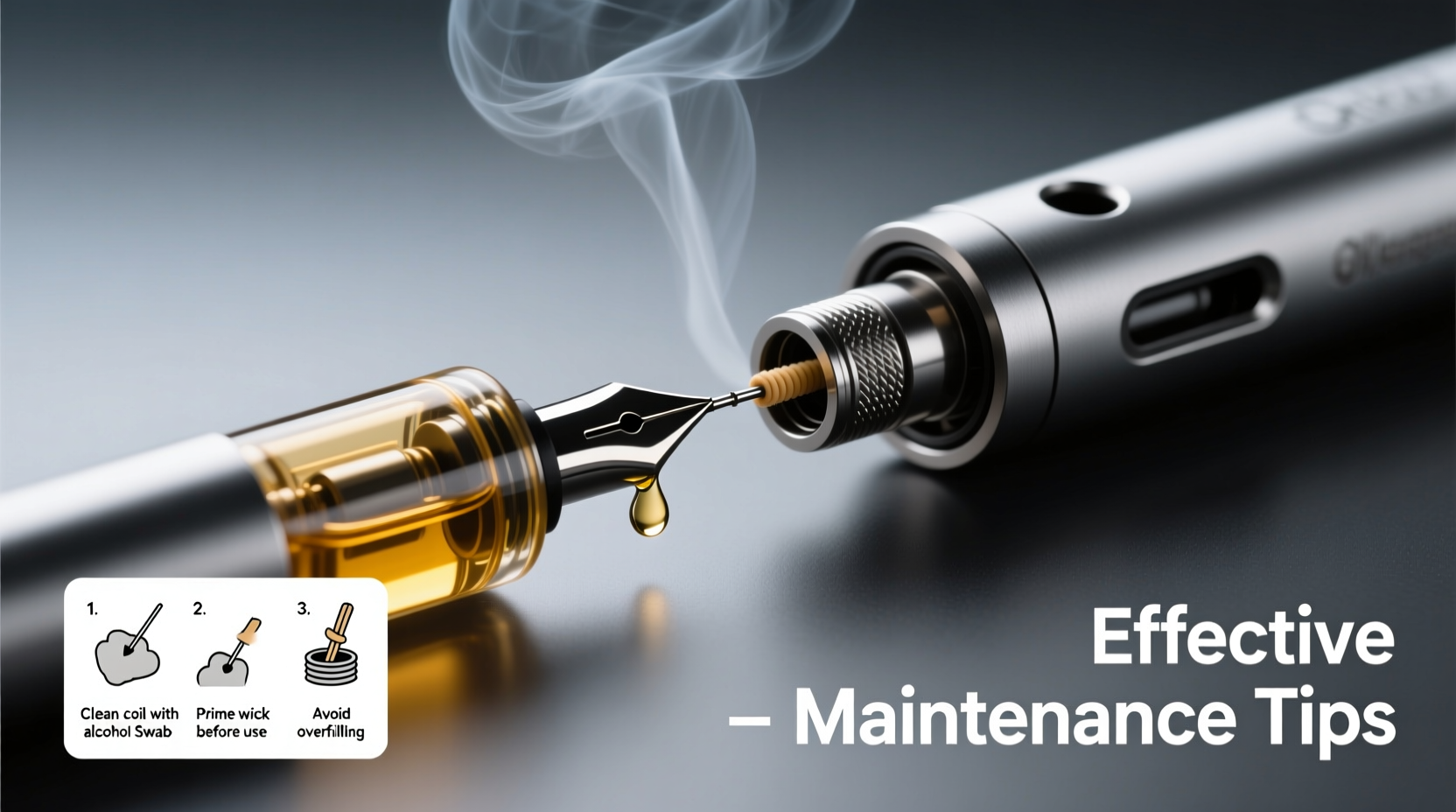
Clogging occurs when thick oil accumulates in the mouthpiece, airflow channels, or around the heating coil. Unlike e-cigarettes that use thin e-liquids, oil pens vaporize viscous botanical extracts. These dense formulations are more prone to settling, especially when exposed to temperature fluctuations. When oil cools, it thickens and may partially solidify inside narrow pathways, restricting airflow. Over time, residue builds up near the wick or coil, further reducing efficiency.
Another cause is poor cartridge design. Some low-quality cartridges have narrow air channels or inadequate wicking systems, increasing the likelihood of blockages. Additionally, frequent use without cleaning allows carbonized oil to accumulate on the coil—a condition known as \"coil gunking.\"
“Thicker distillates and full-spectrum oils require more attention to temperature and usage patterns to avoid clogs.” — Dr. Lena Reyes, Cannabis Product Formulation Specialist
Step-by-Step Guide to Unclog an Oil Pen
If your oil pen isn’t producing vapor or draws too tightly, follow this structured approach to clear the blockage safely:
- Power off and disconnect the cartridge from the battery. Never attempt repairs while powered.
- Inspect the mouthpiece for visible oil buildup. Use a wooden toothpick or cotton swab to gently remove excess oil. Avoid metal tools, which can puncture internal components.
- Apply gentle heat by holding the cartridge in your hands for 2–3 minutes. Body warmth softens thick oil, improving flow.
- Use a hairdryer on low heat (held 6–8 inches away) for 10–15 seconds if hand warming isn’t enough. Do not overheat—excessive temperatures can degrade oil quality.
- Briefly pulse the battery (5–10 seconds) to activate the coil and melt internal obstructions. Let it cool slightly, then test draw again.
- Clear airflow holes at the base of the cartridge using compressed air or a clean syringe (without needle).
Preventative Maintenance Checklist
Regular care prevents most clogs before they start. Incorporate these habits into your routine:
- Store cartridges upright to prevent oil pooling at the mouthpiece.
- Keep devices in a cool, dry place between 60–70°F (15–21°C).
- Wipe the mouthpiece after each use to remove residual oil.
- Avoid exposing the pen to extreme cold (e.g., leaving in a car during winter).
- Prime new cartridges with 2–3 short activation pulses before heavy use.
- Replace cartridges every 1–2 months, even if not fully empty, to avoid degraded performance.
Do’s and Don’ts of Oil Pen Care
| Do’s | Don’ts |
|---|---|
| Store vertically to maintain oil distribution | Lay cartridges on their side or upside down |
| Warm the cartridge gently before use in cold environments | Use direct flame or boiling water to heat the device |
| Use high-quality, properly formulated oils | Fill refillable pens with inconsistent or untested concentrates |
| Clean connections monthly with isopropyl alcohol and a cotton swab | Submerge the entire device in liquid |
| Take slow, steady draws (3–5 seconds) | Chain-vape or inhale aggressively, which floods the coil |
Real Example: Rescuing a Winter-Used Oil Pen
Jamal, a regular vaper in Denver, noticed his oil pen became nearly impossible to draw from after being kept in his jacket pocket during a ski trip. The cold had thickened the oil, causing a complete blockage. He followed the unclogging steps: first warming the cartridge between his palms for four minutes, then applying brief heat with a hairdryer. After reattaching it to the battery and pulsing twice, airflow returned. To prevent recurrence, he now stores his vape in an insulated pouch inside his inner jacket layer. This simple adjustment eliminated repeat clogs throughout the season.
Choosing the Right Oil and Device
Not all oils perform equally in oil pens. Thinner formulations with added terpenes or cutting agents like PG, VG, or MCT oil flow more easily and resist clogging. However, some users prefer pure distillates without additives for health reasons. In such cases, selecting a device with a wide-bore mouthpiece and ceramic coil architecture improves longevity and reliability.
Refillable pens offer cost savings but require diligence. Always use oils designed for vaporization—never attempt to vape plant material or homemade blends unless explicitly compatible. Pre-filled cartridges from reputable brands often include optimized viscosity and sealing technology that reduce leakage and clogging risks.
FAQ
Can I fix a clogged oil pen without heat?
Yes, sometimes. If the clog is minor, letting the cartridge sit upright for several hours can allow gravity to redistribute the oil. Gently blowing through the mouthpiece (with the battery detached) may also dislodge soft blockages. However, mild heat remains the most reliable method for restoring flow.
How often should I clean my oil pen?
Wipe the mouthpiece after every few uses. Perform a deeper clean—checking connections and clearing airflow vents—every two weeks with a cotton swab and 90%+ isopropyl alcohol. Full disassembly is rarely needed unless using refillable models.
Why does my oil pen work fine at first, then get harder to pull?
This often indicates uneven oil distribution or partial clogging due to cooling between puffs. It can also signal a failing coil or degraded wick. If the issue persists after cleaning and warming, replace the cartridge.
Conclusion
A clogged oil pen doesn’t have to end your vaping session or shorten your device’s life. With proper understanding of how oils behave under different conditions and consistent maintenance, smooth draws are entirely within reach. From storing your device correctly to recognizing early signs of blockage, small habits make a big difference. Whether you're a casual user or rely on your oil pen daily, taking a few extra moments to care for your device pays off in performance and reliability.




 浙公网安备
33010002000092号
浙公网安备
33010002000092号 浙B2-20120091-4
Comments
No comments yet. Why don't you start the discussion?