
A bladder infection, commonly known as a urinary tract infection (UTI), affects millions of people each year—especially women. Characterized by symptoms like frequent urination, burning sensations, pelvic pressure, and cloudy or strong-smelling urine, it can significantly disrupt daily life. While antibiotics remain the gold standard for treatment, long-term relief and prevention require a comprehensive approach. The best thing for bladder infection relief isn't just one remedy—it's a combination of prompt medical care, hydration, dietary adjustments, and lifestyle habits that support urinary health.
Understanding Bladder Infections: Causes and Symptoms
Bladder infections occur when bacteria, most often Escherichia coli (E. coli), enter the urethra and travel into the bladder. Women are more prone due to their shorter urethras, but men and children can also be affected. Risk factors include sexual activity, poor hygiene, holding urine for long periods, and certain medical conditions like diabetes.
Common symptoms include:
- Pain or burning during urination
- Urgent need to urinate, even with little output
- Cloudy, dark, or bloody urine
- Lower abdominal or pelvic discomfort
- Fever or chills (if infection spreads to kidneys)
Early recognition is crucial. Left untreated, a bladder infection can escalate into a kidney infection, which may lead to serious complications.
Medical Treatments: The Foundation of Relief
The most effective immediate solution for a bladder infection is prescription antibiotics. Commonly used medications include trimethoprim-sulfamethoxazole, nitrofurantoin, fosfomycin, and cephalexin. A typical course lasts 3–7 days, depending on severity and patient history.
It’s essential to complete the full antibiotic course, even if symptoms improve quickly. Stopping early increases the risk of recurrence and antibiotic resistance.
“Timely antibiotic treatment not only relieves symptoms but prevents the infection from ascending to the kidneys.” — Dr. Linda Park, Urologist and Infectious Disease Specialist
In cases of recurrent UTIs (three or more per year), doctors may recommend low-dose preventive antibiotics or post-intercourse dosing. For postmenopausal women, vaginal estrogen therapy may help restore protective flora and reduce risk.
Natural and Supportive Remedies for Symptom Relief
While antibiotics target the infection directly, several natural approaches can ease symptoms and support recovery:
Cranberry Products
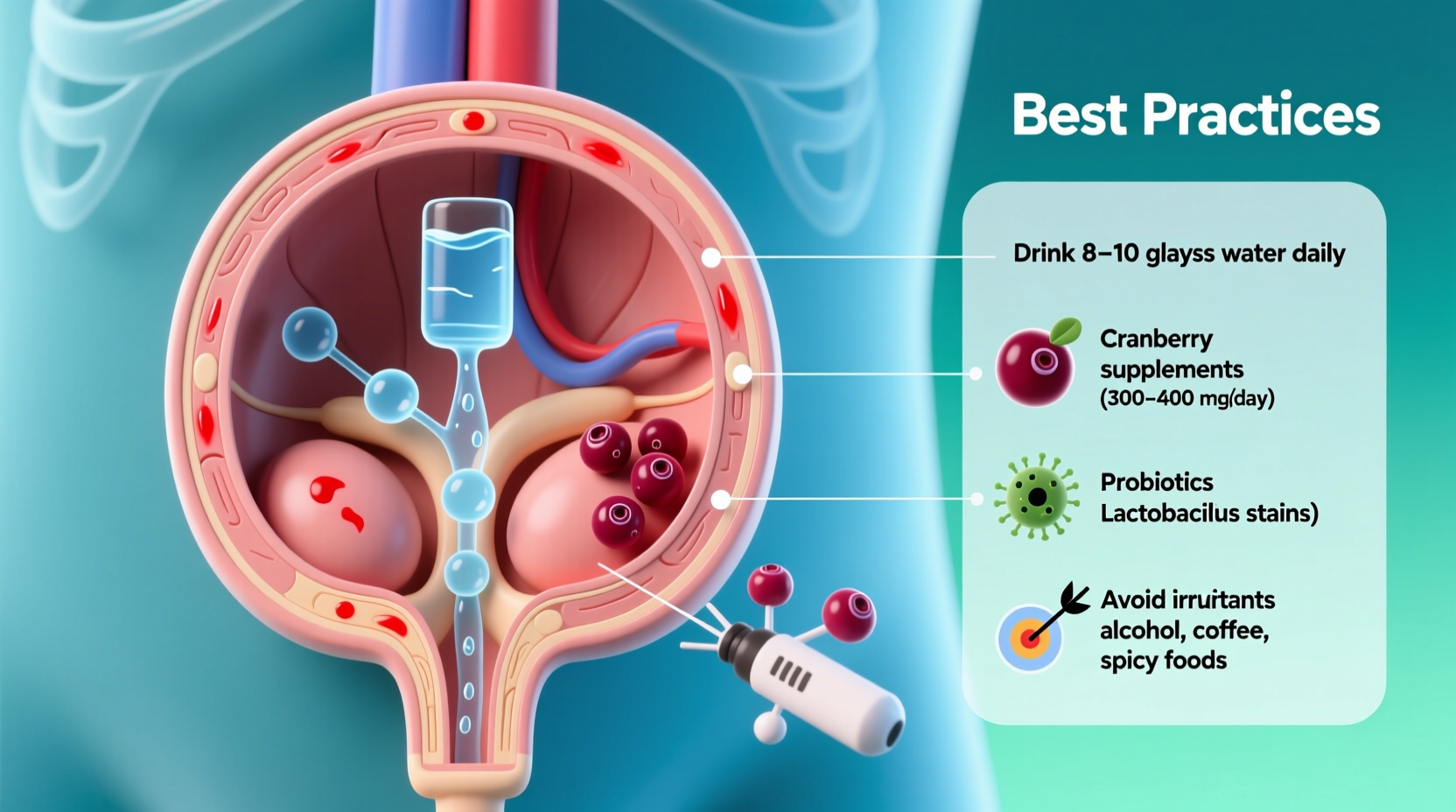
Cranberries contain proanthocyanidins, compounds that may prevent bacteria from adhering to the bladder wall. Though research is mixed, many patients report symptom improvement with cranberry juice or supplements. Choose unsweetened juice or standardized extracts to avoid added sugar, which can feed harmful bacteria.
D-Mannose
This naturally occurring sugar found in fruits like apples and cranberries has gained attention for its ability to bind to E. coli and flush it out during urination. Studies suggest D-mannose may be as effective as antibiotics for some individuals in preventing recurrence.
Hydration
Drinking plenty of water dilutes urine and encourages frequent urination, helping flush bacteria from the urinary tract. Aim for at least 8–10 glasses per day, especially during an active infection.
| Remedy | How It Helps | Evidence Level |
|---|---|---|
| Cranberry Extract | May prevent bacterial adhesion | Moderate |
| D-Mannose | Blocks E. coli attachment | Strong (for prevention) |
| Vitamin C | Acidifies urine, inhibiting bacteria | Limited |
| Probiotics (Lactobacillus) | Supports healthy urogenital flora | Growing |
Step-by-Step Guide to Immediate Relief and Recovery
When you suspect a bladder infection, taking swift, structured action improves outcomes. Follow this timeline:
- Day 1: Recognize Symptoms – Note frequency, pain level, and urine appearance. Start increasing water intake immediately.
- Day 1–2: Seek Medical Advice – Contact your healthcare provider. Many clinics offer same-day appointments or telehealth consultations for UTIs.
- Day 2: Begin Treatment – Once prescribed antibiotics, take the first dose promptly. Pair with D-mannose (1–2 grams) and unsweetened cranberry extract if desired.
- Days 2–5: Monitor Progress – Symptoms should begin improving within 48 hours. Continue hydration and rest. Use a heating pad for pelvic discomfort.
- Day 6–7: Complete Course & Evaluate – Finish all medication. If symptoms persist, contact your doctor—resistant strains or kidney involvement may require further testing.
- Ongoing: Prevent Recurrence – Implement long-term strategies like post-sex voiding, proper hygiene, and probiotic use.
Prevention Checklist: Reduce Your Risk Long-Term
For those prone to recurring infections, prevention is the best form of relief. Use this checklist to build a sustainable routine:
- ✅ Drink water consistently throughout the day
- ✅ Urinate shortly after sexual intercourse
- ✅ Wipe front to back after using the toilet
- ✅ Avoid irritating feminine products (douches, powders)
- ✅ Wear breathable cotton underwear
- ✅ Consider D-mannose or cranberry supplements daily
- ✅ Take probiotics containing Lactobacillus strains
- ✅ Limit bubble baths and tight-fitting pants
Real Example: Managing Recurrent UTIs
Sarah, a 34-year-old teacher, experienced her third bladder infection in six months. Each time, she relied solely on antibiotics without addressing underlying causes. After consulting a urogynecologist, she learned that holding urine during school hours and using scented intimate washes were contributing factors.
Her new protocol included setting phone reminders to drink water and urinate every two hours, switching to fragrance-free hygiene products, and starting a daily regimen of D-mannose and a urinary probiotic. Over the next year, she had no recurrences—proving that small, consistent changes yield powerful results.
FAQ: Common Questions About Bladder Infection Relief
Can I treat a bladder infection without antibiotics?
In very mild cases, increased hydration, D-mannose, and cranberry may resolve symptoms. However, most infections require antibiotics to fully clear. Untreated UTIs can lead to kidney infections, so medical evaluation is strongly recommended.
How quickly do antibiotics work for bladder infections?
Most people feel relief within 24–48 hours of starting antibiotics. Full resolution typically occurs within 3–7 days. If symptoms persist beyond 48 hours, contact your healthcare provider.
Are there side effects to using D-mannose regularly?
D-mannose is generally safe, but high doses may cause bloating or loose stools. People with diabetes should consult a doctor before use, as it is a sugar and may affect blood glucose levels.
Conclusion: Taking Control of Your Urinary Health
The best thing for bladder infection relief combines timely medical treatment with proactive self-care. Antibiotics remain essential for clearing active infections, but natural supports like hydration, D-mannose, and probiotics play vital roles in both recovery and prevention. Understanding your body’s signals and adopting sustainable habits can dramatically reduce the frequency and impact of UTIs.




 浙公网安备
33010002000092号
浙公网安备
33010002000092号 浙B2-20120091-4
Comments
No comments yet. Why don't you start the discussion?