
Black widow spiders are among the most feared arachnids in North America due to their potent neurotoxic venom. While bites are rare and fatalities even rarer, the risk they pose—especially to children, the elderly, or those with compromised health—makes prompt and safe removal essential. The key is not just eliminating the spider but doing so without endangering yourself, pets, or beneficial insects. This guide outlines proven, practical, and safe strategies to deal with black widows effectively.
Understanding the Threat: Why Black Widows Demand Caution
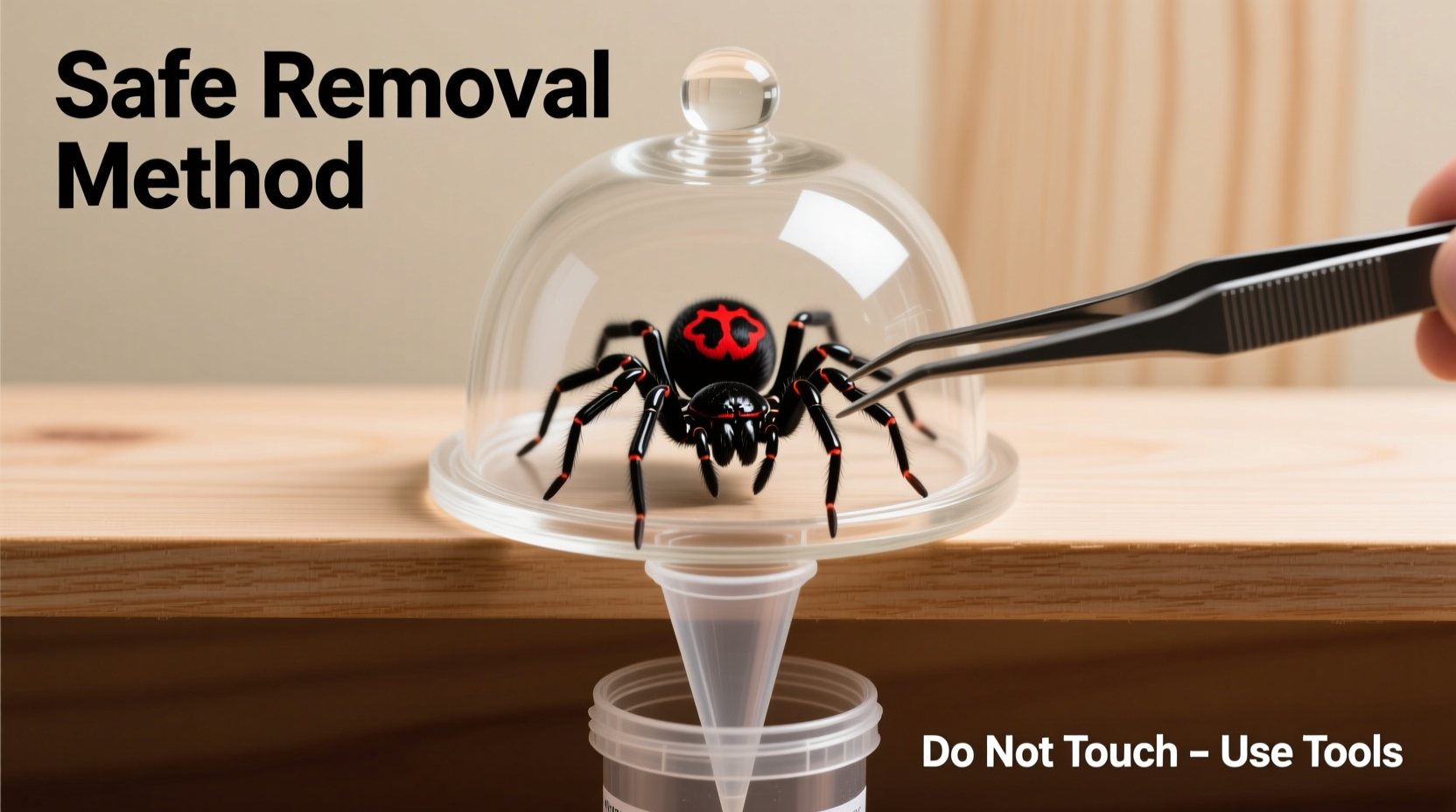
Female black widows (easily identified by their glossy black bodies and red hourglass marking on the underside of the abdomen) are the primary concern. Their venom affects the nervous system and can cause muscle pain, cramping, nausea, and in severe cases, difficulty breathing. However, these spiders are reclusive and bite only when threatened—typically when pressed against skin, such as when putting on shoes or reaching into dark corners.
Before taking action, confirm the spider’s identity. Misidentification leads to unnecessary chemical use or fear. Black widows prefer undisturbed areas: garages, woodpiles, basements, sheds, and outdoor plumbing fixtures. Finding one often means others may be nearby, especially if egg sacs—small, silky white to tan spheres—are present.
“Black widows are not aggressive, but their presence indoors increases the risk of accidental encounters. Safe, targeted removal is always preferable to broad pesticide application.” — Dr. Laura Mitchell, Entomologist, University of California Integrated Pest Management Program
Step-by-Step Guide: How to Safely Eliminate a Black Widow Spider
When you spot a black widow, immediate action is warranted—but it must be controlled and cautious. Follow this sequence to ensure safety and effectiveness:
- Assess the Location: Is the spider in a high-traffic area? Can it be avoided temporarily? If yes, secure the area and proceed calmly.
- Wear Protective Gear: Gloves (preferably thick work gloves), long sleeves, and closed-toe shoes minimize bite risk.
- Choose Your Method: Decide between physical removal, traps, or targeted insecticides based on the situation.
- Execute with Care: Avoid swatting, which can provoke a defensive bite or release eggs.
- Dispose Properly: Place the spider or web in a sealed container and discard outdoors, away from the home.
- Monitor for Recurrence: Check the area daily for new webs or egg sacs over the next 7–10 days.
Effective Methods Compared: What Works Best?
Different situations call for different approaches. Below is a comparison of common methods, ranked by safety, effectiveness, and ease of use.
| Method | Safety | Effectiveness | Best For |
|---|---|---|---|
| Vacuum Removal | High | High | Indoor spiders, webs, egg sacs |
| Sticky Traps | Very High | Moderate | Monitoring and capturing wandering spiders |
| Targeted Insecticide Spray | Moderate | High | Outdoor infestations, inaccessible areas |
| Physical Crushing | Low | Medium | Not recommended—high risk of exposure |
| Natural Repellents (e.g., essential oils) | High | Low | Prevention only, not elimination |
Prevention Checklist: Stop Black Widows Before They Arrive
Killing one spider solves an immediate problem; preventing more solves the long-term issue. Use this checklist to reduce the likelihood of future infestations:
- Seal cracks around windows, doors, and foundations with caulk.
- Install door sweeps and repair torn window screens.
- Keep firewood, building materials, and garden debris away from the house.
- Reduce clutter in garages, basements, and storage areas.
- Use outdoor lighting strategically—bright lights attract insects, which attract spiders.
- Regularly clean and vacuum corners, under furniture, and behind appliances.
- Inspect items like boxes, gardening tools, and outdoor furniture before bringing them inside.
Real-World Example: A Homeowner’s Successful Response
In suburban Arizona, a homeowner discovered a black widow in her garage near stored camping gear. Instead of panicking, she followed a systematic approach. First, she isolated the area and wore gloves. She used a vacuum with a hose attachment to remove the spider and its web. After disposal, she placed sticky traps along the baseboards and inspected other storage areas. Over the next week, two additional spiders were caught in traps—prompting her to seal gaps near the garage door. No further sightings occurred. Her calm, methodical response prevented bites and eliminated a small breeding population.
When to Call a Professional
While individual spiders can be handled safely, recurring sightings or multiple egg sacs suggest a larger infestation. Licensed pest control professionals have access to residual insecticides, thermal treatments, and inspection tools that provide long-term solutions. They can also identify entry points and recommend structural modifications.
Consider professional help if:
- You find more than three spiders in a month.
- Egg sacs are present in living areas.
- You’re uncomfortable using pesticides or handling spiders.
- Family members have allergies or health concerns.
Frequently Asked Questions
Can I kill a black widow with a fly swatter?
It’s possible, but not recommended. Swatting risks crushing the spider against your skin or releasing eggs. Vacuuming or using a jar and stiff paper to trap and remove it is far safer.
Are natural remedies like vinegar or essential oils effective?
There is no scientific evidence that vinegar, peppermint oil, or citrus sprays reliably kill black widows. These may act as mild repellents but won’t eliminate established populations. Relying on them alone is risky.
What should I do if I get bitten?
Stay calm. Wash the area with soap and water, apply ice to reduce swelling, and seek medical attention immediately. Do not cut the wound or attempt to suck out venom. If possible, safely capture the spider for identification.
Conclusion: Safety First, Effectiveness Second
Dealing with a black widow requires balance: eliminating the threat without creating new dangers. The safest methods—like vacuuming, trapping, and exclusion—are often the most effective over time. Chemical sprays have their place but should be used sparingly and precisely. Most importantly, prevention through cleanliness and home maintenance reduces reliance on reactive measures.




 浙公网安备
33010002000092号
浙公网安备
33010002000092号 浙B2-20120091-4
Comments
No comments yet. Why don't you start the discussion?