
Dehydration can strike quickly—after intense exercise, during illness, or in hot weather—and its effects range from mild fatigue to dizziness, confusion, and even heatstroke. Rehydrating effectively isn’t just about drinking water; it’s about restoring fluids, electrolytes, and balance efficiently. While chugging a glass of water might seem like the obvious fix, true rehydration involves more strategic choices. This guide outlines proven methods to rehydrate fast, backed by medical insight and real-world results, along with specific product recommendations that deliver where it counts.
The Science Behind Rapid Rehydration
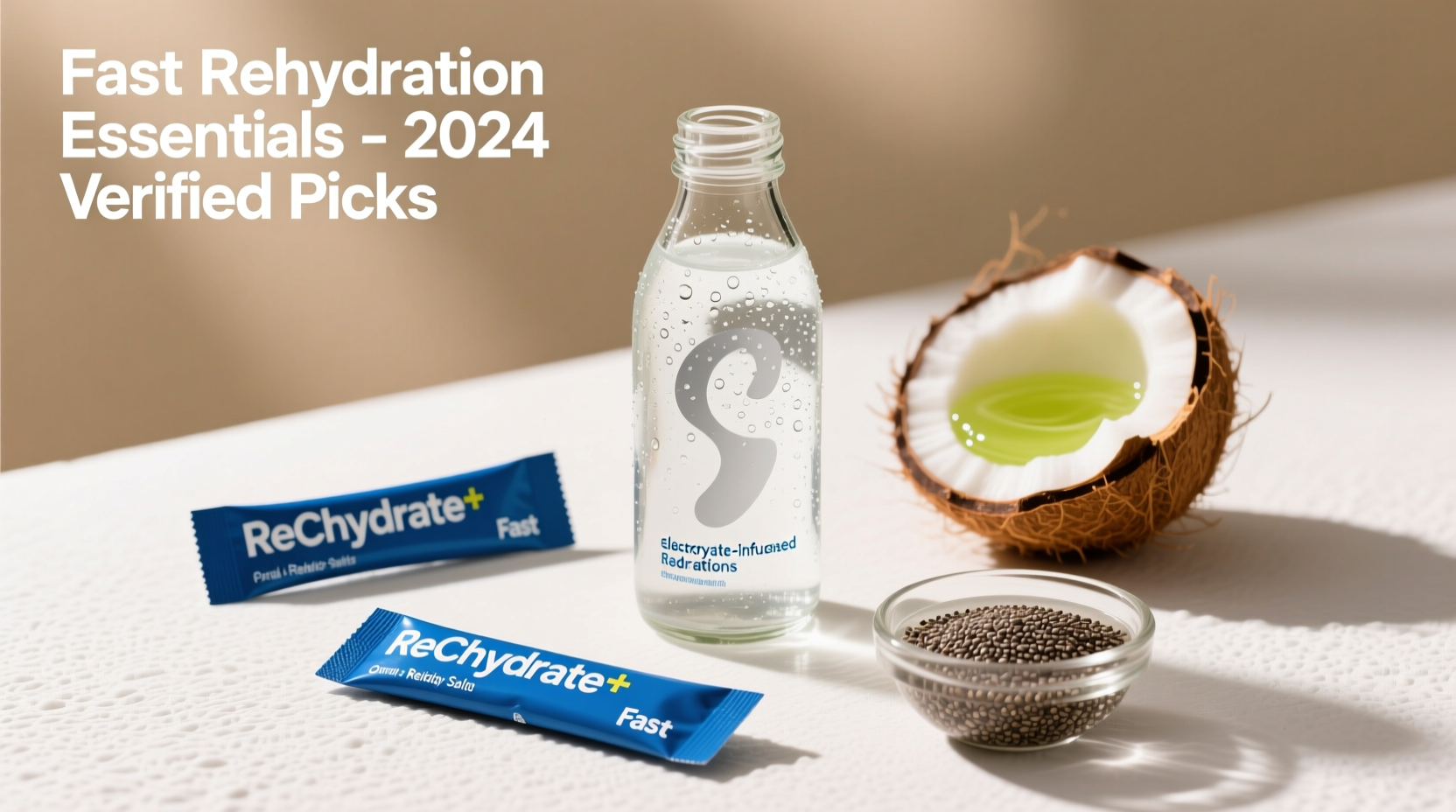
Water alone often isn’t enough for fast rehydration. When you lose fluids through sweat, vomiting, or diarrhea, you also lose essential electrolytes like sodium, potassium, magnesium, and chloride. These minerals regulate nerve function, muscle contractions, and fluid balance. Without them, your body struggles to retain water, making plain water less effective.
The World Health Organization (WHO) developed an oral rehydration solution (ORS) formula that remains the gold standard for rapid fluid restoration. It balances glucose and sodium to enhance intestinal absorption through the sodium-glucose co-transport system. This means your body absorbs fluids faster when small amounts of sugar and salt are present.
“Oral rehydration therapy is one of the most important medical advances of the 20th century. It saves millions of lives annually.” — Dr. David A. Pearson, Emergency Medicine Specialist
This physiological principle is why balanced electrolyte solutions outperform water alone during moderate to severe dehydration.
Top 5 Fast-Acting Rehydration Methods
Not all hydration strategies are created equal. The following methods have been validated by clinical research and practical use for speed and effectiveness.
1. Oral Rehydration Solutions (ORS)
These are scientifically formulated to match the WHO standard. They contain precise ratios of electrolytes and carbohydrates to maximize absorption. Ideal for recovery after illness, excessive sweating, or travel-related dehydration.
2. Electrolyte Tablets or Powders
Convenient and portable, these dissolve in water and offer customizable dosing. Many include vitamins and trace minerals for additional support.
3. Coconut Water (Natural Option)
Naturally rich in potassium and low in sodium, coconut water is a decent option for mild dehydration. However, it lacks sufficient sodium to fully replace what’s lost in heavy sweating.
4. Broth-Based Soups
Warm chicken or vegetable broth provides sodium, fluids, and calories. Especially useful when appetite is low due to illness.
5. IV Hydration (Clinical Setting)
In cases of severe dehydration, intravenous fluids are the fastest route. While not practical for everyday use, mobile IV services are emerging for athletes and travelers seeking rapid recovery.
Best Product Picks for Fast Rehydration
With countless options on the market, choosing the right product can be overwhelming. Below is a curated list based on formulation efficacy, ingredient quality, and user feedback.
| Product | Type | Key Features | Best For |
|---|---|---|---|
| DripDrop ORS | Powder | WHO-compliant formula, fast-dissolving, flavored options | Sickness, post-exercise, travel |
| LMNT Recharge | Powder | No sugar, high sodium, clean ingredients | Keto/low-carb, endurance athletes |
| Nature’s Way Daily Immune Defense Electrolytes | Capsules | Portable, includes vitamin C and zinc | On-the-go immune + hydration support |
| Hydralyte Effervescent Tablets | Tablets | Fast-acting, low osmolarity, kid-safe | Children, stomach bugs, travel |
| Ultima Replenisher | Powder | Non-GMO, six electrolytes, stevia-sweetened | Daily hydration, sensitive stomachs |
DripDrop ORS stands out for its medical-grade formulation and widespread use in disaster relief and clinics. LMNT is favored by fitness enthusiasts who avoid sugar but need high sodium replenishment. Hydralyte offers excellent pediatric safety profiles, making it ideal for families.
Step-by-Step Guide to Rehydrate in Under 90 Minutes
When time matters, follow this evidence-based protocol:
- Assess symptoms: Mild dehydration includes dry mouth, fatigue, and dark urine. Severe signs (dizziness, rapid pulse, confusion) require medical attention.
- Choose your rehydration method: Use an ORS or electrolyte drink if available. Otherwise, mix ½ tsp salt, 6 tsp sugar, and 1 liter of clean water as a DIY alternative.
- Sip steadily: Consume 8–16 oz (250–500 ml) every 15–20 minutes. Avoid gulping to prevent nausea.
- Add potassium: Eat a banana or drink coconut water alongside your electrolyte solution to restore potassium levels.
- Rest in a cool environment: Reduce physical activity and external heat stress to minimize further fluid loss.
- Monitor improvement: Urine should lighten within 60 minutes. Energy levels typically rebound within 90 minutes with proper treatment.
Common Mistakes That Delay Rehydration
- Drinking only water: Dilutes blood sodium levels without replacing lost electrolytes, potentially worsening imbalance.
- Consuming sugary sports drinks: High sugar content slows gastric emptying and can cause diarrhea.
- Waiting until thirsty: Thirst lags behind actual fluid needs. By the time you feel thirsty, you’re already dehydrated.
- Ignoring sodium replacement: Sodium is critical for fluid retention. Low-sodium rehydration leads to frequent urination and poor retention.
Real-World Example: Marathon Recovery
During the 2023 Chicago Marathon, runner Maria K. experienced cramping and lightheadedness at mile 20. Medics administered DripDrop ORS instead of plain water. Within 45 minutes, her symptoms resolved, and she completed the race with support.
“I always carried water,” she said later, “but I didn’t realize I was losing so much sodium. Switching to an electrolyte solution made all the difference.” Her experience underscores the importance of electrolyte balance—not just volume—in performance recovery.
Frequently Asked Questions
How long does it take to rehydrate after dehydration?
Mild dehydration can resolve in 30–90 minutes with proper oral rehydration. Severe cases may require several hours or medical intervention. Consistent sipping yields better results than delayed large intakes.
Is Gatorade good for rehydration?
Gatorade can help in mild cases, but its high sugar content (21g per 12 oz) and low sodium (110mg) make it less effective than medical-grade ORS. For serious rehydration, opt for lower-sugar, higher-electrolyte alternatives.
Can coffee or tea worsen dehydration?
While caffeine has a mild diuretic effect, moderate consumption (up to 400mg caffeine/day) does not cause net fluid loss in regular users. However, during active dehydration, skip caffeinated drinks in favor of clear electrolyte solutions.
Final Checklist: Rehydrate Smart & Fast
- ✅ Assess severity of symptoms
- Know the signs: dry mouth, fatigue, dark urine = mild; dizziness, rapid heartbeat = seek help.
- ✅ Choose an electrolyte-rich solution
- Prioritize sodium and glucose-balanced formulas (like DripDrop or Hydralyte).
- ✅ Sip consistently, don’t chug
- Small, frequent sips improve absorption and reduce nausea.
- ✅ Add potassium sources
- Banana, spinach, avocado, or coconut water help restore potassium.
- ✅ Rest and cool down
- Stop activity and move to shade or air conditioning to halt fluid loss.
Take Action Today
Rehydration is more than just drinking water—it’s about restoring balance. Whether you're recovering from a workout, illness, or a long day in the sun, the right approach makes all the difference. Start by keeping a supply of effective electrolyte products on hand. Try one of the recommended solutions next time you feel off, and notice the difference targeted hydration can make. Share your experience or tips with others—because staying hydrated shouldn’t be guesswork.




 浙公网安备
33010002000092号
浙公网安备
33010002000092号 浙B2-20120091-4
Comments
No comments yet. Why don't you start the discussion?