
A muddy driveway isn’t just unsightly—it can become a persistent problem that damages vehicles, creates safety hazards, and lowers property value. Seasonal rain or poor grading often turns compacted gravel or dirt driveways into slippery, rutted messes. While temporary fixes like adding more gravel may help in the short term, they rarely solve the root cause. The key to lasting results lies in understanding why the mud forms and applying structural, drainage-focused solutions that address both immediate conditions and long-term prevention.
Understanding the Causes of Driveway Mud
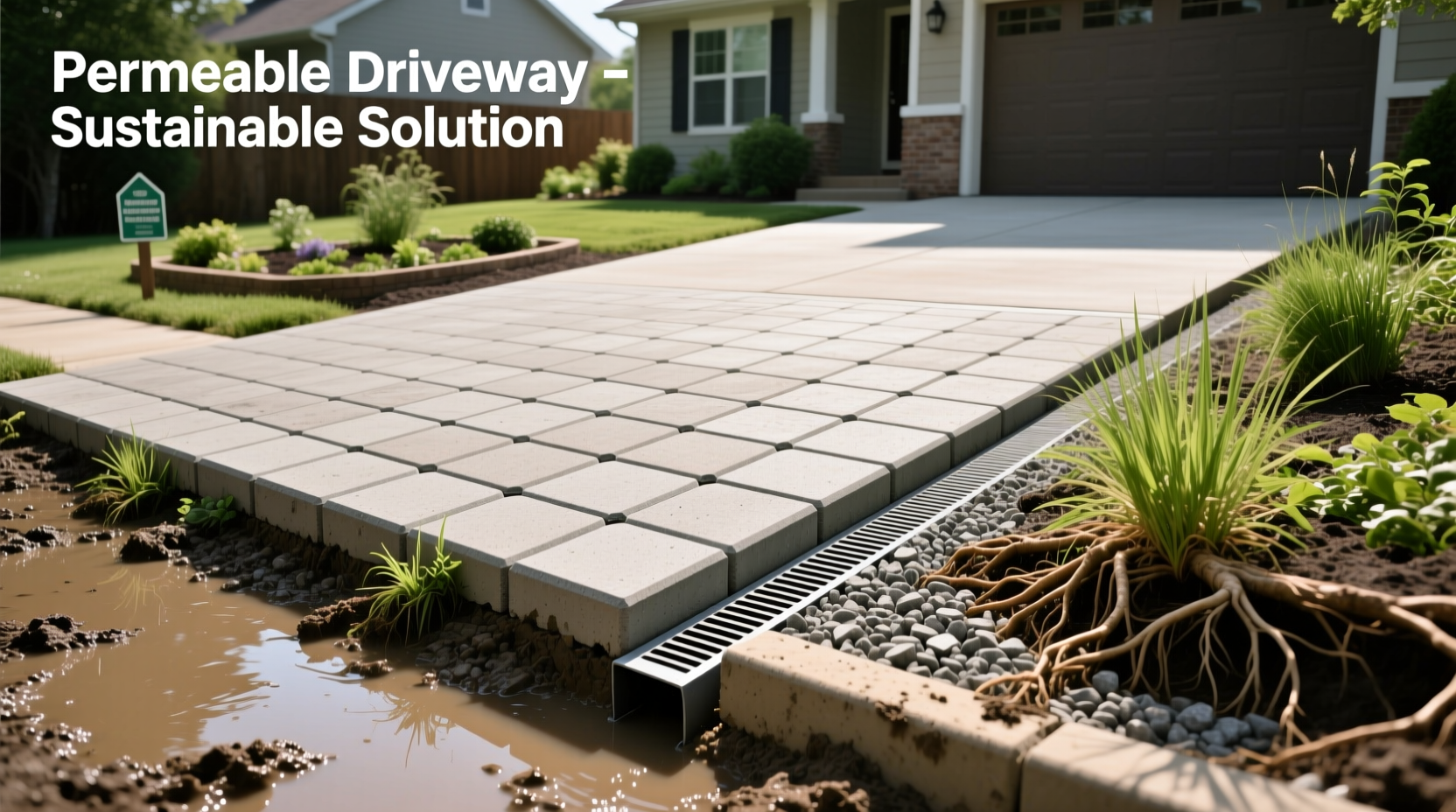
Mud accumulates when water cannot drain properly from the surface and sub-base of a driveway. Common causes include improper slope (grading), lack of drainage infrastructure, soil type (especially clay-heavy soils), and insufficient base material beneath the surface layer. When vehicles drive over saturated ground, the topsoil breaks down, leading to ruts and pooling. Over time, this erosion worsens, making repairs more difficult and costly.
Before any repair begins, assess the following:
- Is the driveway sloped toward your home instead of away?
- Are there low spots where water collects after rain?
- Does the driveway lack edge containment or shoulder stability?
- Is the existing base material compacted and stable?
Addressing these underlying issues is essential for permanent resolution.
Permanent Structural Solutions
To eliminate recurring mud, consider upgrading the driveway’s construction using durable materials and proper engineering principles.
1. Install a Proper Base Layer
The foundation of any stable driveway is a well-compacted base. A typical permanent solution includes:
- Excavation: Remove topsoil and organic matter to a depth of 6–12 inches.
- Sub-base: Lay crushed stone (like Class II road base) in 4-inch layers, compacting each with a plate compactor.
- Surface layer: Finish with 2–3 inches of gravel, asphalt, or concrete.
This layered approach prevents water from weakening the surface and allows weight to be evenly distributed.
2. Use Permeable Paving Options
Permeable pavers or gravel grids offer excellent durability while allowing water to filter through. These systems stabilize loose materials by locking individual stones or paver units into place, preventing displacement under traffic.
| Solution | Best For | Lifespan | Drainage Efficiency |
|---|---|---|---|
| Crushed Stone Base + Gravel Surface | Rural properties, budget-conscious owners | 5–7 years (with maintenance) | High (if graded correctly) |
| Geogrid-Reinforced Gravel | Heavy vehicle use, soft soils | 10+ years | Very High |
| Permeable Interlocking Concrete Pavers (PICP) | Suburban homes, aesthetic appeal | 20+ years | Excellent |
| Asphalt with Drainage Ditches | Long driveways, high rainfall areas | 15–20 years | Moderate to High |
“Most driveway failures stem from inadequate base preparation—not the surface material.” — Daniel Reeves, Civil Engineer & Land Development Consultant
Improving Drainage to Prevent Future Problems
No structural fix will last without proper water management. Effective drainage redirects runoff before it saturates the driveway base.
Key Drainage Strategies
- Regrade the driveway: Ensure a minimum 2% slope (¼ inch drop per foot) away from structures.
- Dig swales or ditches: Shallow channels along the sides guide water to safe discharge points.
- Install French drains: Perforated pipes buried in gravel redirect subsurface water.
- Add culverts: If the driveway crosses a natural water path, install a pipe under the surface to maintain flow.
In areas with high precipitation, combining surface grading with subsurface drainage offers the best protection against future mud development.
Real-World Example: Fixing a Rural Farm Driveway
A homeowner in western Pennsylvania struggled with a 200-foot gravel driveway that turned into a swamp every spring. Despite annual gravel top-ups, deep ruts formed near the entrance, trapping cars. After consulting a land surveyor, they discovered the original installation had no base layer and was improperly graded toward the barn.
The solution included:
- Removing 8 inches of unstable top material.
- Installing a 6-inch crushed limestone base, compacted in two lifts.
- Adding a geogrid stabilization fabric before relaying 3 inches of #57 stone gravel.
- Constructing two side swales lined with riprap to channel runoff into a dry well.
One year later, the driveway remained firm even during record rainfall. No additional gravel was needed, and vehicle access improved significantly.
Step-by-Step Guide to a Permanent Fix
Follow this timeline to transform a muddy driveway into a durable, all-weather surface:
- Week 1: Assessment & Planning
Inspect current condition, map water flow, take measurements, and consult local regulations if paving is involved. - Week 2: Excavation & Grading
Remove degraded material, re-slope the surface, and ensure positive drainage away from buildings. - Week 3: Base Installation
Lay and compact sub-base material in 4-inch layers. Use a laser level or string line to verify slope accuracy. - Week 4: Reinforcement & Surface Layer
Add geogrid (if needed), then apply final surfacing—gravel, pavers, or asphalt. - Ongoing: Maintenance Checks
Inspect twice yearly, especially after storms. Replenish gravel as needed and clear drainage paths.
Common Mistakes to Avoid
- Skipping compaction—loose base leads to rapid failure.
- Using topsoil or sand as fill—these materials erode easily.
- Ignoring overflow routes—redirected water must have a safe exit point.
- Overlooking tree roots or utility lines before digging.
Frequently Asked Questions
Can I fix a muddy driveway without repaving?
Yes, in some cases. If the base is intact and only surface degradation exists, installing geogrid reinforcement and topping with fresh angular gravel can restore stability. However, if the base is compromised, excavation and rebuilding are necessary for permanence.
How much does a permanent driveway fix cost?
Costs vary widely based on size and method. Basic gravel rework with proper base: $3–$6 per square foot. Permeable pavers: $10–$20 per square foot. Asphalt with drainage: $8–$15 per square foot. Though upfront costs are higher, long-term savings come from reduced maintenance and repairs.
Will adding more gravel stop the mud?
Not if the issue is poor drainage or lack of base. Simply dumping gravel on soft soil provides only temporary relief. Without compaction and structure, new gravel sinks and washes away quickly. Address the foundation first.
Take Action Before the Next Rain
A muddy driveway doesn't have to be a seasonal inevitability. With thoughtful planning, proper materials, and attention to drainage, you can create a resilient surface that withstands weather, traffic, and time. Whether you choose reinforced gravel, permeable pavers, or asphalt, the investment pays off in safety, functionality, and curb appeal. Don’t wait for the next storm to expose weak spots—assess your driveway now and implement solutions that last for years.




 浙公网安备
33010002000092号
浙公网安备
33010002000092号 浙B2-20120091-4
Comments
No comments yet. Why don't you start the discussion?