
Cleaning a watch might seem like a simple task, but doing it improperly can damage delicate components, compromise water resistance, or dull the finish over time. Whether you own a vintage heirloom, a luxury timepiece, or a daily-wear sports watch, regular maintenance is essential for preserving both function and appearance. Most manufacturers recommend professional servicing every 3–5 years, but routine at-home cleaning between visits keeps your watch looking sharp and functioning smoothly. This guide walks you through a safe, effective process tailored to different materials and mechanisms—ensuring your timepiece stays in top condition without risking harm.
Understanding Your Watch’s Materials and Limits
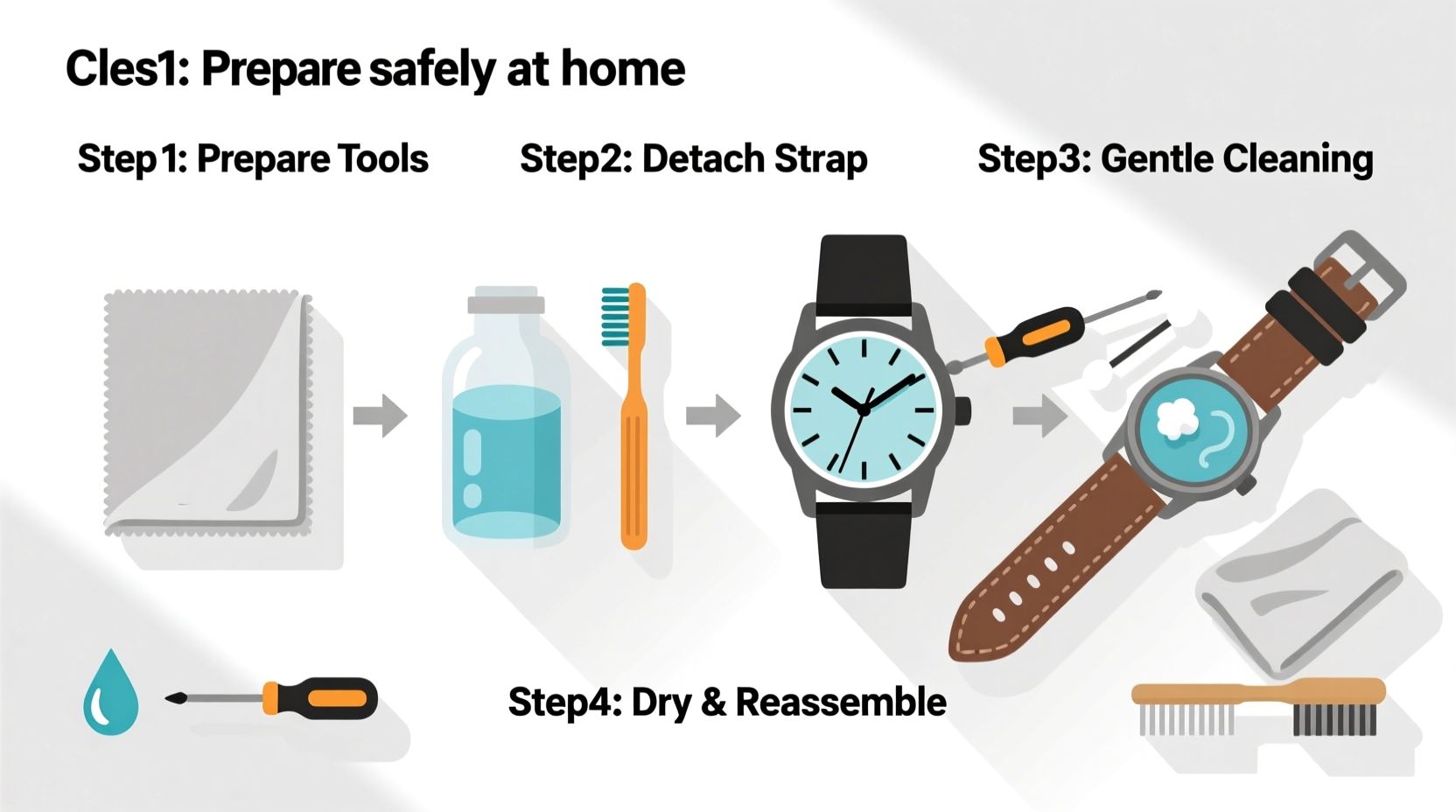
Before reaching for soap and water, identify what your watch is made of. Different materials require distinct care approaches:
- Stainless steel: Durable and corrosion-resistant, but prone to scratches and smudges.
- Leather straps: Sensitive to moisture; prolonged exposure causes cracking and odor.
- Silicone or rubber: Resistant to sweat and water, but can accumulate grime in crevices.
- Sapphire or mineral crystal: Scratch-resistant, yet vulnerable to micro-abrasions from improper cloths.
- Gold or plated finishes: Soft metals that scratch easily and may tarnish if exposed to chemicals.
Equally important is knowing your watch’s water resistance rating. A watch rated 30 meters (3 ATM) resists splashes but shouldn’t be submerged. Anything below 50 meters isn’t suitable for swimming. Never clean a non-water-resistant watch with wet methods.
“Many people ruin their watches not from wear, but from incorrect cleaning. Water resistance doesn’t mean submersion-proof.” — Daniel Reeves, Master Watchmaker at Horology Studio NYC
Step-by-Step Guide: Safe At-Home Watch Cleaning
This five-stage process ensures thorough cleaning while protecting sensitive parts. Perform these steps once every 4–6 weeks for daily-worn watches.
- Remove the watch from your wrist and prepare your workspace. Use a soft towel on a flat surface to prevent scratches. Gather tools: a microfiber cloth, soft-bristled toothbrush (unused), mild dish soap, lukewarm water, cotton swabs, and a dry container.
- Determine if the watch is water-safe. If it’s rated 50 meters or higher, you may proceed with damp cleaning. For lower ratings or unknown resistance, skip wet steps and use only dry methods (see Tips Box).
- Clean the case and crystal. Dip the toothbrush in soapy water (a drop of dish soap in a bowl). Gently scrub around the bezel, sides, and crystal edges. Avoid pressing hard. For tight spots, use a cotton swab. Rinse the brush frequently.
- Clean the band based on material:
- Metal bracelets: Submerge links briefly if water-resistant. Scrub between links with the brush. Rinse under running water, then dry thoroughly.
- Leather straps: Never soak. Dampen a cloth slightly, wipe gently, then air-dry away from heat.
- Rubber/silicone: Wash with soapy water, rinse, and pat dry.
- Dry completely before wearing. Use a lint-free cloth to absorb moisture. Let air dry for 10–15 minutes. Ensure no water remains under the crown or between bracelet links.
Do’s and Don’ts: Watch Cleaning Best Practices
| Do’s | Don’ts |
|---|---|
| Use a soft microfiber cloth for polishing | Use paper towels or abrasive fabrics |
| Clean after swimming or heavy sweating | Submerge non-water-resistant watches |
| Check manufacturer’s care guidelines | Use household cleaners like bleach or ammonia |
| Let leather straps air dry naturally | Expose leather to direct sunlight or hairdryers |
| Store in a cool, dry place post-cleaning | Wear a wet watch immediately after cleaning |
Real Example: Reviving a Neglected Daily Wearer
Mark, a software developer in Seattle, wore his stainless steel dive watch daily for eight months without cleaning. Salt residue from ocean swims, combined with city grime and sweat, left the bracelet dull and stiff. He avoided professional service due to cost concerns. Following this guide, he soaked the bracelet (his watch was 200m water-resistant) in warm soapy water for five minutes, brushed between links, rinsed, and dried overnight. The result? A visibly brighter case, smooth-moving links, and restored luster—without spending a cent. “I didn’t realize how much buildup was there until I saw the brush turn black,” he said. “Now I clean it monthly.”
Essential Cleaning Checklist
Keep this checklist handy for your next cleaning session:
- ☐ Confirm water resistance level
- ☐ Remove watch from wrist
- ☐ Prepare soft cloth, toothbrush, mild soap, and cotton swabs
- ☐ Clean case and crystal with damp brush
- ☐ Address band according to material (metal, leather, rubber)
- ☐ Dry all surfaces thoroughly
- ☐ Inspect for lingering moisture near crown or clasp
- ☐ Store or wear only when fully dry
Frequently Asked Questions
Can I use alcohol wipes to clean my watch?
Only on metal or plastic components, and sparingly. Isopropyl alcohol can degrade adhesives in crystal mounting, damage dial markings, and dry out leather or rubber. It’s best reserved for disinfecting the exterior of tools, not the watch itself.
How often should I clean my watch at home?
For everyday wear, light cleaning every 4–6 weeks is ideal. Heavy use (sports, swimming, humid environments) warrants cleaning every 2–3 weeks. Leather straps benefit from conditioning every 2–3 months using products designed for watch bands.
Why does my metal bracelet look uneven after cleaning?
This often happens when only the top surface is cleaned, leaving grime in the links. Always scrub between links and ensure full drying. Persistent discoloration may indicate pitting or corrosion—signs it’s time for professional inspection.
Final Thoughts: Small Habits, Lasting Value
A well-maintained watch reflects more than punctuality—it shows respect for craftsmanship and attention to detail. Regular, careful cleaning prevents the accumulation of corrosive elements like sweat, salt, and pollutants that silently degrade materials over time. You don’t need expensive kits or technical skills to preserve your timepiece. With consistent, informed care, even an affordable watch can retain its appeal for years. More importantly, avoiding common mistakes protects mechanical integrity and resale value.




 浙公网安备
33010002000092号
浙公网安备
33010002000092号 浙B2-20120091-4
Comments
No comments yet. Why don't you start the discussion?