
A mini leather coin wallet may be small in size, but it plays a big role in daily life—carrying essentials like coins, cards, or cash with style and function. Over time, exposure to oils, moisture, and friction can degrade the leather, leading to cracks, discoloration, or stiffness. Proper care is not about occasional cleaning; it's about consistent, informed maintenance that preserves both appearance and structural integrity. When done right, a well-maintained leather wallet can last decades, aging gracefully into a personal keepsake.
Understanding Leather Types and Their Needs
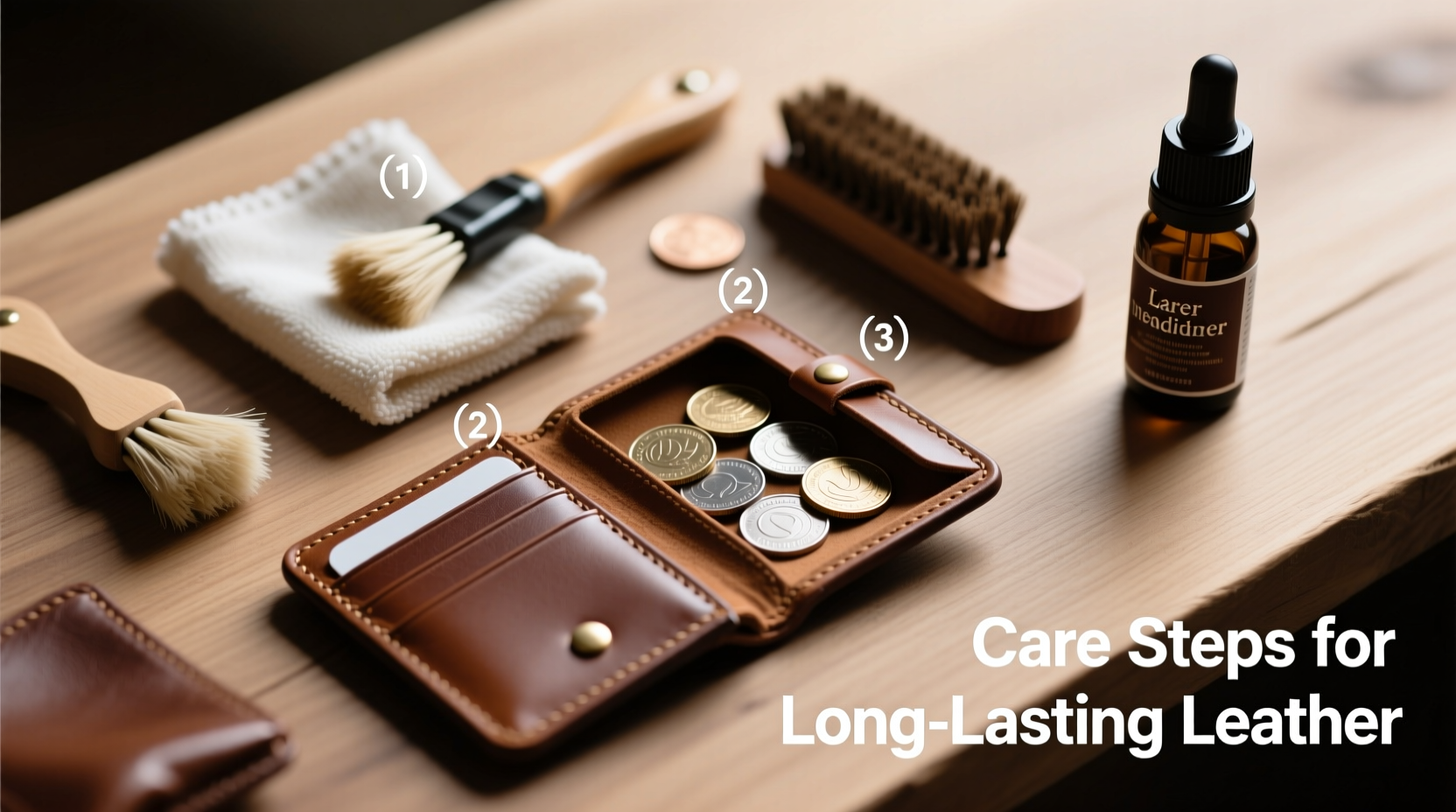
Not all leather is created equal. The type of leather used in your mini coin wallet determines how you should clean and care for it. Most wallets are made from one of three common types:
- Full-grain leather: The highest quality, with natural grain intact. It develops a rich patina over time but requires gentle conditioning.
- Top-grain leather: Sanded and refinished for a smoother surface. More resistant to stains but less breathable than full-grain.
- Genuine leather: Made from lower layers of hide, often bonded and coated. Less durable but more affordable.
Each responds differently to cleaning agents and environmental factors. Full-grain leather benefits from natural conditioners like beeswax or neatsfoot oil, while top-grain may require lighter creams to avoid clogging pores. Genuine leather should never be soaked or treated with heavy oils, as it can delaminate.
“Leather is a natural material—it breathes, ages, and reacts to its environment. Treat it with respect, and it will reward you with longevity.” — Daniel Reeves, Artisan Leather Craftsman
Step-by-Step Guide: Cleaning Your Mini Leather Coin Wallet
Cleaning should be a deliberate process, not rushed or improvised. Follow this timeline for best results:
- Empty the wallet completely. Remove all coins, cards, and paper. This allows full access to seams and corners where dirt accumulates.
- Dust off surface debris. Use a soft, dry microfiber cloth or a clean makeup brush to gently sweep away dust and lint from crevices.
- Spot test any cleaner. Apply a small amount of leather cleaner on an inconspicuous area (like the inside flap) and wait 10 minutes. Check for discoloration or texture changes.
- Clean with a damp cloth. Moisten a lint-free cloth with distilled water (never tap water, which contains minerals). Wipe the surface lightly, avoiding saturation.
- Use a pH-balanced leather cleaner if needed. For visible stains or oily marks, apply a pea-sized amount of leather-specific cleaner. Work in circular motions with a soft cloth, then wipe clean.
- Let it air-dry naturally. Place the wallet flat in a well-ventilated area, away from direct sunlight or heat sources. Never use a hairdryer or heater.
- Condition after drying. Once fully dry (usually 4–6 hours), apply a thin layer of leather conditioner. Buff gently with a dry cloth after 15 minutes.
Do’s and Don’ts of Leather Wallet Maintenance
| Do’s | Don’ts |
|---|---|
| Wipe your wallet weekly with a dry cloth | Use household cleaners like bleach or ammonia |
| Store in a breathable fabric pouch when not in use | Leave it in your back pocket for long periods |
| Apply leather conditioner every 3–4 months | Expose it to prolonged sunlight or humidity |
| Rotate between multiple wallets to reduce wear | Overstuff it with coins or receipts |
| Clean spills immediately with a dry cloth | Use silicone-based polishes that clog pores |
Real Example: Reviving a Neglected Wallet
Sarah had a cherished brown mini coin wallet gifted by her grandfather. After two years of daily use without care, the leather had darkened unevenly, felt rough, and showed fine cracks near the fold. She avoided throwing it away due to sentimental value. Following a structured restoration routine—starting with dry brushing, followed by a pH-neutral cleaner and two rounds of light conditioning—the wallet regained flexibility. Within a week, the surface softened, and the patina evened out. Sarah now conditions it every three months and stores it in a cotton pouch. Three years later, it remains functional and beautiful—a testament to proper maintenance.
Essential Maintenance Checklist
Keep this checklist handy for regular upkeep:
- ✅ Empty and inspect the wallet monthly
- ✅ Wipe exterior with a dry microfiber cloth weekly
- ✅ Clean with leather-safe solution every 2–3 months
- ✅ Condition with natural oil or cream quarterly
- ✅ Store in a cool, dry place away from direct light
- ✅ Avoid contact with perfumes, hand sanitizers, or makeup
- ✅ Rotate usage if you own multiple wallets
Frequently Asked Questions
Can I use coconut oil to condition my leather wallet?
While coconut oil is natural, it can go rancid over time and attract dust. It also lacks UV protection and may darken light leathers. Stick to products specifically formulated for leather, such as those containing lanolin or beeswax.
How do I remove ink stains from leather?
Ink is difficult to remove without damaging the surface. Do not use alcohol or solvents. Instead, use a specialized leather ink remover sparingly, following product instructions. Test on a hidden area first. Prevention—keeping pens capped and separate from your wallet—is the best strategy.
Is it safe to store my wallet in a plastic bag?
No. Plastic traps moisture and restricts airflow, promoting mold and mildew. Always use a breathable fabric dust bag or wrap it in a cotton cloth. If storing long-term, include a silica gel packet to absorb ambient humidity.
Conclusion: Small Habits, Lasting Results
Maintaining a mini leather coin wallet doesn’t require expensive tools or hours of effort. It comes down to mindful habits: wiping it down regularly, protecting it from extreme conditions, and conditioning it before it dries out. These actions compound over time, preserving both function and beauty. A cared-for wallet isn’t just practical—it becomes a reflection of your attention to detail and appreciation for craftsmanship.




 浙公网安备
33010002000092号
浙公网安备
33010002000092号 浙B2-20120091-4
Comments
No comments yet. Why don't you start the discussion?