
PU (polyurethane) leather is a popular alternative to genuine leather, offering durability, affordability, and a cruelty-free profile. Single shoulder bags made from this material are lightweight, stylish, and versatile—but they still require proper care. Without regular maintenance, PU leather can crack, peel, or lose its luster over time. Unlike real leather, it’s more sensitive to moisture, heat, and harsh chemicals. The good news is that with the right cleaning routine and preventive habits, your bag can retain its sleek appearance for years.
Understanding PU Leather: Why It Needs Special Care
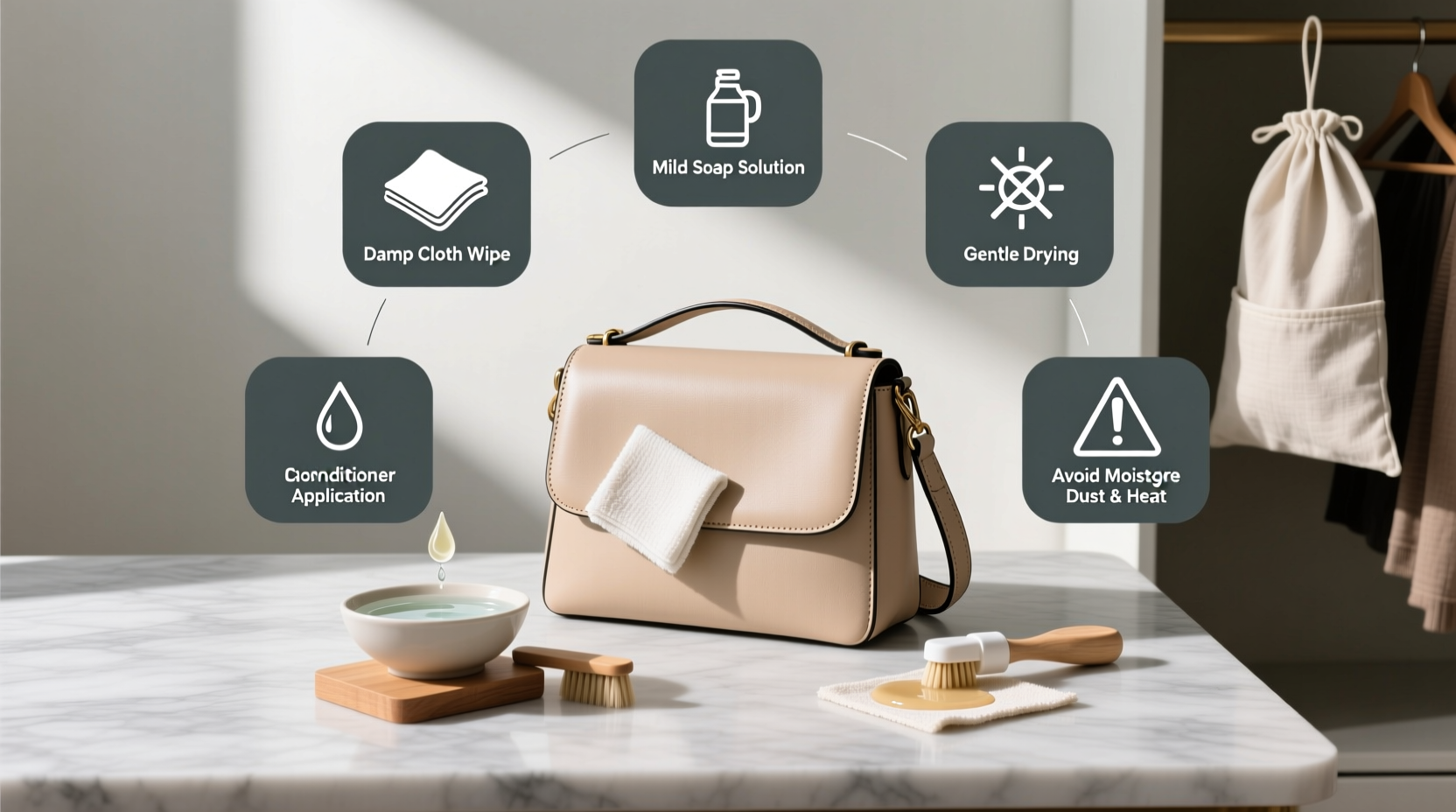
PU leather consists of a synthetic polymer coating applied to a fabric backing. While it mimics the look and feel of real leather, it lacks natural breathability and flexibility. This makes it prone to surface damage when exposed to friction, UV rays, or improper cleaning agents. Over time, repeated exposure to oils, sweat, and environmental pollutants can degrade the finish, especially on high-touch areas like handles and straps.
The shoulder strap of a single shoulder bag experiences constant movement and pressure, increasing wear. Additionally, items like keys, makeup, or hand sanitizer stored inside can leak and stain the lining or exterior. Recognizing these vulnerabilities allows you to take proactive steps before irreversible damage occurs.
“Many people assume PU leather doesn’t need maintenance because it’s synthetic. That misconception leads to premature peeling and discoloration.” — Lena Torres, Sustainable Fashion Consultant
Step-by-Step Guide to Cleaning Your PU Leather Shoulder Bag
Cleaning should be approached in stages: preparation, surface wipe, spot treatment, drying, and conditioning. Follow this timeline for best results:
- Empty and inspect: Remove all contents. Check for stains, scratches, or signs of peeling. Pay attention to seams and corners where dirt accumulates.
- Dust removal: Use a soft-bristled brush or dry microfiber cloth to gently remove loose debris from the surface and crevices.
- Prepare cleaning solution: Mix one cup of lukewarm water with a few drops of mild dish soap. Avoid detergents with bleach, ammonia, or alcohol.
- Test first: Dampen a corner of a clean cloth with the solution and test on an inconspicuous area (e.g., near the base or inside flap).
- Wipe down: Gently clean the entire surface using circular motions. Do not soak the material. Focus on stained or soiled areas with slightly more pressure.
- Tackle stains: For ink or makeup marks, use a cotton swab dipped in rubbing alcohol (isopropyl alcohol, 70%) sparingly. Blot—don’t rub—to avoid spreading.
- Rinse residue: Dampen a second cloth with plain water and lightly go over cleaned areas to remove soap traces.
- Dry naturally: Wipe with a dry microfiber towel. Let the bag air-dry at room temperature, away from direct sunlight or heaters. Never use a hairdryer.
- Condition (optional): Once fully dry, apply a thin layer of PU leather conditioner or a specialized vinyl protectant to restore shine and prevent cracking.
Do’s and Don’ts: Maintaining Long-Term Integrity
To preserve the structural and visual quality of your bag, follow these guidelines. The table below summarizes key actions:
| Do’s | Don’ts |
|---|---|
| Use a microfiber cloth for daily dusting | Use household cleaners like Windex or bleach wipes |
| Store in a breathable cotton dust bag | Leave the bag in plastic covers (traps moisture) |
| Keep away from direct sunlight and radiators | Place near windows or car dashboards for long periods |
| Rotate usage between multiple bags | Overstuff the bag regularly (distorts shape) |
| Apply a protective spray designed for synthetics | Expose to rain without immediate drying |
Avoid placing the bag on dirty or rough surfaces. Restaurant floors, public transit seats, and gravel pathways expose the material to abrasives and grime. When sitting, place it on your lap or in your coat pocket if possible.
Real-Life Example: Preventing Peeling After Daily Commute
Sophie, a graphic designer in Portland, used her black PU shoulder bag five days a week for her commute. Within eight months, the top edge began flaking, especially where her jacket rubbed against it. She assumed it was a manufacturing defect—until she consulted a textile restorer. He explained that daily friction combined with uncleaned hand oils had degraded the coating. After switching to a weekly cleaning routine and using a protective sleeve on the strap, the peeling stopped progressing. Two years later, the bag remains functional and presentable.
This case illustrates how consistent micro-abrasions, often unnoticed, can compound into visible damage. Prevention is far simpler than restoration.
Essential Maintenance Checklist
- ✅ Empty bag weekly and shake out crumbs or debris
- ✅ Wipe exterior with a damp microfiber cloth every 7–10 days
- ✅ Deep clean with mild soap solution every 6–8 weeks
- ✅ Inspect stitching and hardware monthly for looseness
- ✅ Apply PU leather conditioner or protectant every 3 months
- ✅ Store upright with stuffing (tissue paper or soft scarf) to maintain shape
- ✅ Keep in a cool, dry closet away from humidity sources
Frequently Asked Questions
Can I wash my PU leather bag in the washing machine?
No. Machine washing exposes the material to excessive agitation, heat, and moisture, which will likely cause delamination—the separation of the polyurethane layer from the fabric base. Always clean by hand using gentle methods.
What should I do if my bag gets wet in the rain?
Immediately blot excess water with a dry, absorbent cloth. Wipe the surface gently, then let it air-dry at room temperature. Avoid heat sources. Once dry, inspect for water spots and clean if necessary. Consider applying a waterproofing spray afterward to improve future resistance.
Is it safe to use baby wipes for quick cleaning?
Not recommended. Many baby wipes contain alcohol, fragrance, and preservatives that can strip the finish and accelerate cracking. If you must clean on the go, use a dry microfiber cloth or pre-moistened wipes specifically formulated for electronics or eyewear (alcohol-free).
Final Thoughts: Small Habits, Lasting Results
Your PU leather single shoulder bag is more than an accessory—it’s a daily companion that reflects your personal style. Its longevity depends less on the material’s origin and more on how consistently you care for it. Simple actions like wiping it down weekly, storing it properly, and avoiding extreme conditions make a measurable difference. Unlike genuine leather, PU doesn’t age gracefully on its own; it needs thoughtful intervention to stay fresh.
You don’t need special tools or expensive products. A few minutes of attention every week preserves both appearance and function. By following these practical steps, you’re not just maintaining a bag—you’re extending its usable life, reducing waste, and getting full value from your purchase.




 浙公网安备
33010002000092号
浙公网安备
33010002000092号 浙B2-20120091-4
Comments
No comments yet. Why don't you start the discussion?