
A fractured finger is more than just a painful inconvenience—it can disrupt daily tasks, limit mobility, and affect your ability to work or engage in hobbies. Whether the injury occurred during sports, an accident, or a fall, proper care is essential to ensure complete healing and prevent long-term stiffness or weakness. Healing a broken finger isn’t just about waiting; it requires a structured approach involving medical treatment, immobilization, rehabilitation, and gradual return to activity. When managed correctly, most people regain full function within weeks to months.
Understanding Finger Fractures
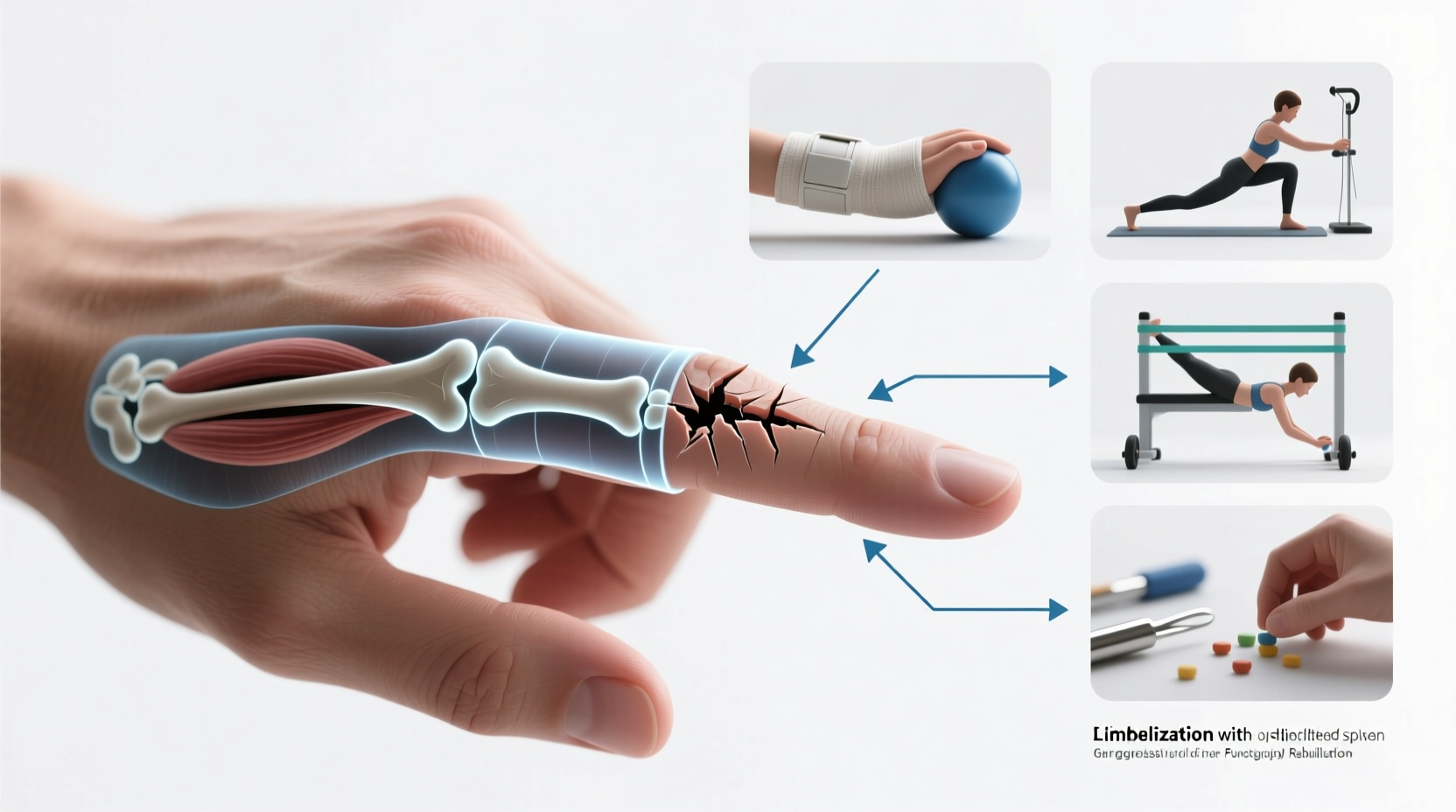
Finger fractures typically involve one or more of the three bones (phalanges) in each finger. These breaks can range from minor hairline cracks to severe displacement requiring surgical intervention. Common symptoms include sharp pain, swelling, bruising, deformity, inability to move the finger fully, or even a visible misalignment.
The type of fracture determines the treatment path. Stable fractures—where bone pieces remain aligned—often heal well with splinting. Unstable or displaced fractures may require realignment (reduction) or surgery to stabilize the bone using pins, screws, or wires.
“Timely diagnosis and proper immobilization are critical. A delay in treatment can lead to permanent joint stiffness or malunion.” — Dr. Lena Torres, Hand Surgeon, Orthopedic Specialty Group
Step-by-Step Healing Timeline
Recovery from a finger fracture follows a predictable sequence. While individual timelines vary based on age, fracture severity, and overall health, most patients follow this general progression:
- Days 1–7: Immediate Care & Diagnosis
Seek medical attention promptly. An X-ray confirms the fracture type and location. Pain and swelling are managed with ice, elevation, and NSAIDs like ibuprofen. - Weeks 2–6: Immobilization
The finger is protected with a splint or buddy tape. Movement of adjacent joints (like the wrist or unaffected fingers) is encouraged to prevent stiffness. - Weeks 6–8: Early Rehabilitation
Once imaging shows sufficient healing, gentle range-of-motion exercises begin under guidance. - Weeks 8–12: Strengthening & Functional Recovery
Progressive strengthening exercises restore grip and dexterity. Most daily activities resume. - After 12 Weeks: Full Return to Activity
With clearance from a healthcare provider, return to sports or heavy manual labor can begin.
Do’s and Don’ts During Recovery
Mistakes during healing can prolong recovery or compromise function. The following table outlines key behaviors to adopt—and avoid—for optimal outcomes.
| Do’s | Don’ts |
|---|---|
| Keep the splint dry and intact unless instructed otherwise | Remove the splint without medical approval |
| Buddy tape the injured finger to an adjacent one for support | Force movement if pain increases |
| Perform prescribed hand therapy exercises | Ignore numbness, coldness, or worsening discoloration—these may indicate circulation issues |
| Elevate the hand regularly, especially in early stages | Resume sports or lifting before full healing |
| Attend all follow-up appointments for X-rays and progress checks | Use the injured hand for gripping or twisting motions prematurely |
Restoring Function Through Hand Therapy
Even after the bone has healed, many patients experience stiffness, reduced dexterity, or weakness. This is where hand therapy becomes crucial. A certified hand therapist designs a personalized program to improve flexibility, strength, and coordination.
Common therapeutic exercises include:
- Finger flexion/extension: Slowly bending and straightening each joint.
- Web space stretching: Using a small foam wedge to maintain the natural spread between fingers.
- Grip strengthening: Squeezing soft putty or stress balls as tolerated.
- Tendon gliding exercises: Promoting smooth tendon movement through the healing tissue.
Consistency is key. Performing these exercises daily, as directed, significantly reduces the risk of chronic stiffness or contractures.
Real Example: Recovery After a Sports Injury
Carlos, a 29-year-old recreational basketball player, jammed his ring finger during a game. He initially dismissed the pain, but swelling and persistent tenderness led him to urgent care. An X-ray revealed a non-displaced fracture of the middle phalanx. His doctor applied a splint and advised buddy taping after four weeks. Carlos followed up diligently, began therapy at week six, and committed to daily exercises. By week ten, he could type, open jars, and play light guitar. At twelve weeks, he returned to the court with protective taping—fully functional and pain-free.
Essential Checklist for Optimal Healing
To stay on track during recovery, use this practical checklist:
- ✅ Seek immediate medical evaluation after injury
- ✅ Get an X-ray to confirm diagnosis and monitor healing
- ✅ Wear the splint consistently as directed
- ✅ Elevate and ice the hand during the first 48 hours
- ✅ Attend all follow-up appointments
- ✅ Begin hand therapy when approved by your doctor
- ✅ Perform prescribed exercises daily
- ✅ Monitor for signs of complications (numbness, discoloration, increased pain)
- ✅ Avoid returning to high-impact activities too soon
- ✅ Use adaptive tools (like voice typing or jar openers) if needed during recovery
Frequently Asked Questions
How long does it take for a fractured finger to heal?
Most uncomplicated finger fractures take about 6 to 8 weeks to heal sufficiently. However, full restoration of strength and flexibility may take up to 3 months, especially if rehabilitation is delayed.
Can I move my other fingers while healing?
Yes—and you should. Moving your uninjured fingers, thumb, and wrist helps prevent stiffness and muscle atrophy. Just avoid any motion that pulls or stresses the injured finger.
Is surgery always needed for a broken finger?
No. Surgery is only required for displaced fractures, joint involvement, or cases where the bone cannot be stabilized with a splint. Many fractures heal well with conservative management.
Conclusion: Prioritize Healing to Regain Full Function
Healing a fractured finger effectively goes beyond simply waiting for the bone to mend. It demands proactive care—from prompt diagnosis and proper immobilization to disciplined rehabilitation. Ignoring stiffness or pushing through pain can lead to lasting limitations. But with the right approach, most people not only recover but return to their previous level of function, often without any long-term effects.




 浙公网安备
33010002000092号
浙公网安备
33010002000092号 浙B2-20120091-4
Comments
No comments yet. Why don't you start the discussion?