
Air trapped in an Intex pool pump is a common issue that disrupts water flow, reduces filtration efficiency, and can lead to overheating or motor damage. When air enters the system, it prevents the pump from creating proper suction, causing noisy operation, reduced water pressure, or even complete failure to prime. Fortunately, removing air from your Intex pool pump is a manageable task if you understand the causes and follow a systematic approach. This guide walks you through practical, step-by-step methods to purge air, restore prime, and keep your pool running smoothly all season long.
Why Air Gets Trapped in Your Pool Pump
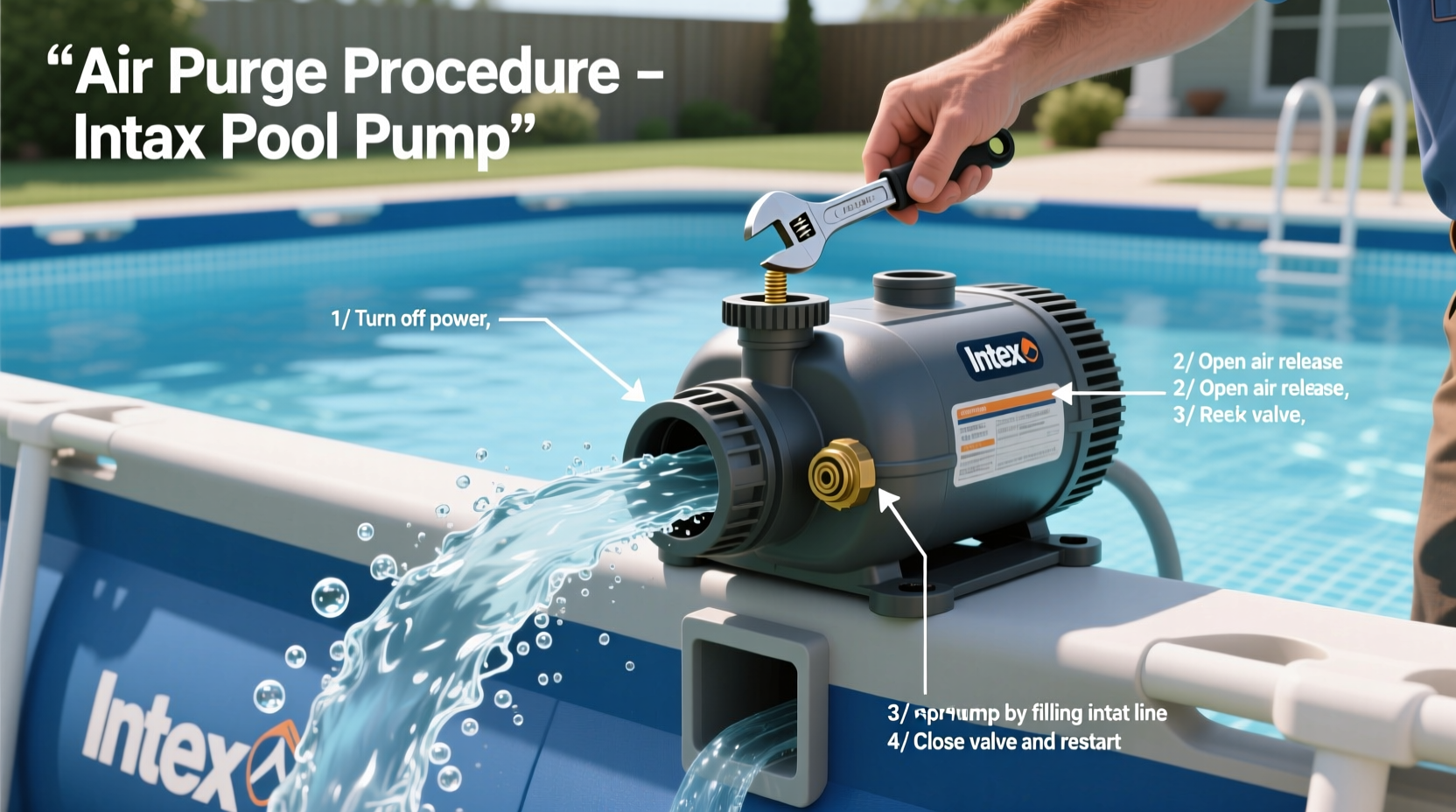
Air infiltration typically occurs due to leaks or improper setup in the suction side of the pump—the section between the pool’s skimmer and the pump inlet. Common culprits include loose fittings, cracked hoses, low water levels, or worn gaskets. When the water level drops below the skimmer intake, air gets sucked into the system. Similarly, a poorly sealed pump lid or O-ring can allow air to enter during operation.
Intex above-ground pools use self-priming pumps designed to create a vacuum that pulls water from the pool. For this to work, the entire suction line must be filled with water—any air pocket breaks the siphon effect. Recognizing early signs of air in the system, such as bubbling in the strainer basket or erratic water flow, helps prevent long-term damage.
Step-by-Step Guide to Bleed Air from Your Intex Pool Pump
Follow this detailed process to safely remove air and re-prime your Intex pump. Perform these steps when the pump fails to start properly or runs noisily with visible bubbles.
- Turn off the pump immediately. Continuing to run a dry or air-bound pump can overheat and damage the motor seal.
- Inspect the pump housing and connections. Look for cracks, loose unions, or damaged hoses on the suction side (the pipe leading from the pool to the pump).
- Remove the pump's transparent cover. Most Intex models have a twist-off clear lid over the filter basket. Place a towel underneath to catch residual water.
- Clean the filter basket. Debris buildup restricts flow and contributes to priming issues. Rinse the basket thoroughly with a hose.
- Refill the pump chamber with water. Pour clean water directly into the housing until it reaches the top. This eliminates air pockets inside the pump body.
- Reinstall the lid securely. Ensure the O-ring is seated properly and lubricated. A dry or pinched O-ring is a frequent source of air leaks.
- Open the air relief valve (if equipped). Some Intex models have a small knob on top of the filter housing. Turn it counterclockwise one full turn to release trapped air once the pump restarts.
- Turn the pump back on. Let it run for 30–60 seconds. You should see air bubbles escaping through the relief valve or visibly moving through the transparent housing.
- Close the air relief valve. Once a steady stream of water emerges without bubbles, tighten the knob to seal the system.
- Monitor for 5–10 minutes. Confirm consistent water flow and quiet operation. If problems persist, recheck for hidden leaks.
Common Leak Points and How to Seal Them
Even after bleeding air, recurring issues often point to persistent leaks. The following table outlines typical problem areas and solutions:
| Location | Symptom | Solution |
|---|---|---|
| Pump Lid O-Ring | Hissing sound, water spray, cloudy bubbles in housing | Clean and lubricate with silicone-based O-ring grease; replace if cracked |
| Union Fittings (Inlet/Outlet) | Loose connection, dripping, intermittent flow | Tighten by hand plus a quarter-turn with pliers; inspect for stripped threads |
| Hoses & PVC Pipes | Bubbles near joints, damp ground around lines | Replace cracked sections; use waterproof tape or epoxy for temporary fixes |
| Skimmer Weir or Throat | Air drawn when water level drops | Maintain water 1/3 to 1/2 up skimmer; check weir door movement |
Real-World Example: Fixing a Stubborn Priming Issue
Consider Mark, a homeowner in Arizona with a 15-foot Intex Ultra Frame pool. After returning from vacation, he found his pump making loud grinding noises and failing to circulate water. He followed the standard bleed procedure but saw no improvement. Upon closer inspection, he noticed a hairline crack in the flexible hose connecting the skimmer to the pump. Sun exposure had degraded the plastic over time. Replacing the hose with a UV-resistant model and refilling the pump chamber restored full function within minutes. His experience underscores the importance of inspecting all components—even those not immediately visible—when troubleshooting air lock issues.
“Many pool owners overlook minor leaks because they don’t cause visible flooding. But even a pinhole leak on the suction side can introduce enough air to break prime.” — Carlos Mendez, Pool Maintenance Technician with 12 years of field experience
Preventive Checklist for Long-Term Performance
To minimize future air intrusion and extend your pump’s lifespan, adopt these routine practices:
- ✅ Check water level daily during peak usage
- ✅ Inspect O-rings weekly for wear or dryness
- ✅ Clean the filter basket every 5–7 days
- ✅ Tighten all connections monthly
- ✅ Store hoses in shade when not in use to prevent UV degradation
- ✅ Use only manufacturer-recommended parts for replacements
- ✅ Run the pump at least 8–12 hours per day for balanced circulation
Frequently Asked Questions
How do I know if my Intex pump has lost its prime?
If the pump runs but no water flows through the return jets, or you hear loud gurgling and see excessive bubbling in the strainer housing, the pump has likely lost its prime. Immediate shutdown and inspection are recommended to avoid motor damage.
Can I use duct tape to fix a leaking hose temporarily?
While duct tape may stop visible leaks, it does not withstand constant suction pressure and degrades quickly when wet. For temporary fixes, use waterproof repair tape or hose clamps with coupling sleeves. Replace damaged hoses as soon as possible.
Why does my pump keep losing prime overnight?
Consistent loss of prime indicates a suction-side leak that allows air in when the pump stops. Water drains back into the pool, breaking the siphon. Inspect the pump lid, union fittings, and skimmer plumbing carefully. Installing a check valve can help maintain prime in chronic cases.
Conclusion: Keep Your Pool Flowing Smoothly
Maintaining an air-free pool pump is essential for efficient filtration, energy savings, and equipment longevity. By understanding how air enters the system and taking proactive measures to eliminate it, you ensure uninterrupted enjoyment of your Intex pool. Regular inspections, timely maintenance, and correct priming techniques go a long way in preventing avoidable breakdowns. Don’t wait for performance issues to escalate—address small leaks and operational quirks early.




 浙公网安备
33010002000092号
浙公网安备
33010002000092号 浙B2-20120091-4
Comments
No comments yet. Why don't you start the discussion?