
Navigating the Internal Revenue Service (IRS) phone system can be one of the most frustrating experiences during tax season. Long wait times, automated loops, and difficulty reaching a real person often leave taxpayers feeling helpless. However, with the right approach and preparation, it is possible to significantly improve your chances of speaking with a live IRS agent efficiently. This guide outlines proven methods—backed by taxpayer advocates and former IRS employees—to minimize delays and get your questions answered.
Understand When to Call the IRS
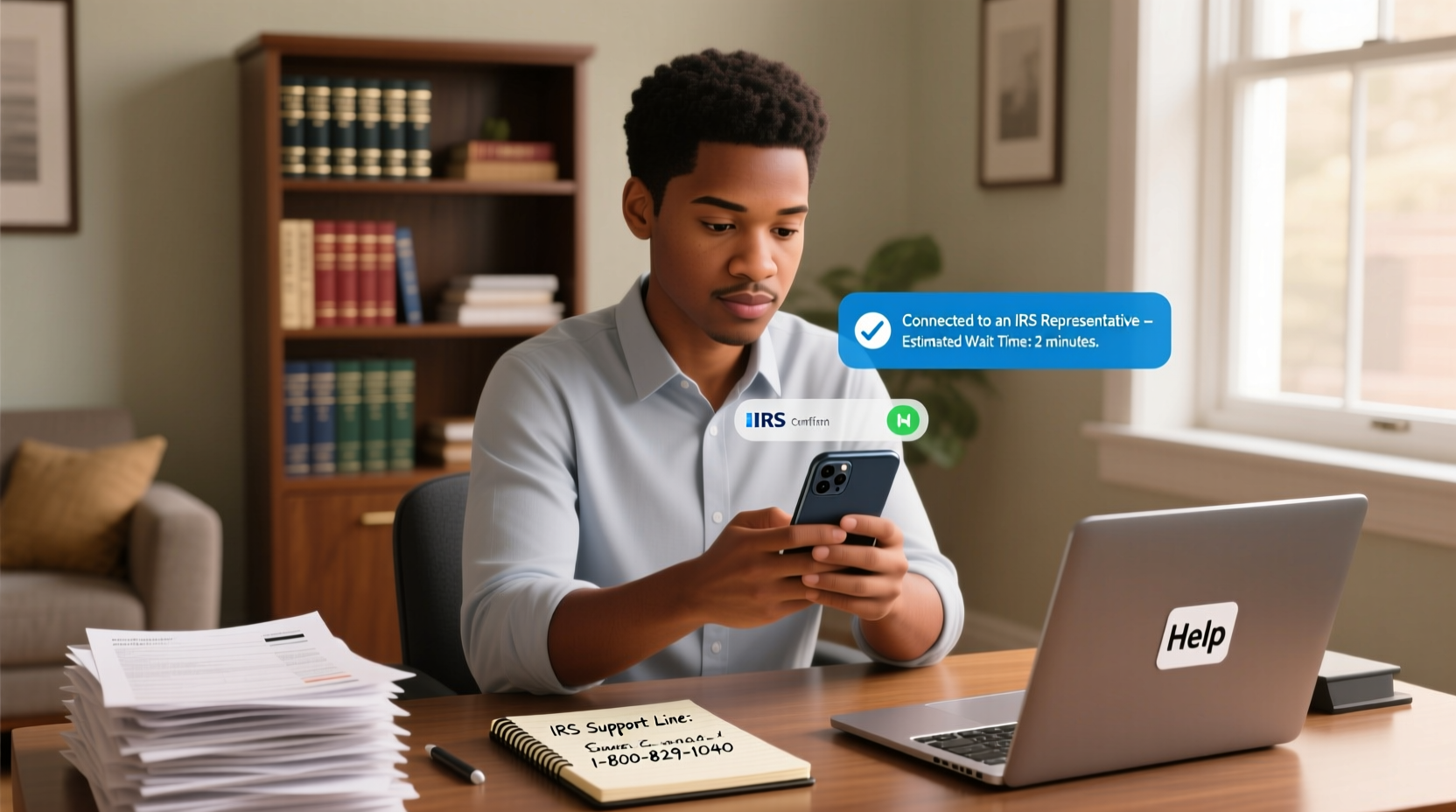
Not every tax issue requires a phone call. Before dialing, assess whether your concern can be resolved online. The IRS website offers tools for checking refund status, setting up payment plans, and accessing account transcripts. If your situation involves complex audits, unresolved notices, or identity theft complications, speaking with a live agent may be necessary.
Calls are most effective when you have already attempted self-service options and need clarification or intervention beyond what digital resources provide. Calling without prior research often leads to longer wait times and unsatisfactory outcomes.
Call at Optimal Times to Reduce Wait Duration
The time of day and day of the week dramatically affect how long you'll wait on hold. According to data from the Treasury Inspector General for Tax Administration (TIGTA), peak call volumes occur early in the week and during standard business hours.
To avoid congestion, consider these best practices:
- Best days: Tuesdays through Thursdays
- Best times: Between 7:00 AM and 9:00 AM local time
- Avoid: Mondays, Fridays, and the first week after major deadlines (e.g., April 15)
Calling early in the morning allows you to bypass the surge of callers who typically reach out after starting their workday.
Step-by-Step Guide to Minimize Hold Time
- Prepare all documents including your Social Security number, recent tax returns, notice numbers, and any correspondence from the IRS.
- Dial the correct number based on your inquiry type (see table below).
- Call between 7:00–9:00 AM on Tuesday, Wednesday, or Thursday.
- Stay on the line once prompted; do not hang up if placed on hold.
- Use a landline or stable connection to prevent disconnection during transfer.
Choose the Right Phone Number for Your Issue
Using the wrong IRS phone line can lead to transfers, extended hold times, or being directed back to an automated system. The IRS maintains different numbers for specific concerns. Selecting the appropriate one increases your odds of reaching a qualified agent promptly.
| Inquiry Type | Phone Number | Availability |
|---|---|---|
| Individual income tax questions | 1-800-829-1040 | Mon–Fri, 7 AM–7 PM local time |
| Business or self-employed inquiries | 1-800-829-4933 | Mon–Fri, 7 AM–7 PM local time |
| Tax payment arrangements | 1-800-829-7650 | 24/7 |
| Identity theft assistance | 1-800-908-4490 | Mon–Fri, 7 AM–7 PM CST |
| Refund status inquiries | 1-800-829-1954 | 24/7 |
Real Example: Resolving a Notice Discrepancy
Jamal received a CP2000 notice stating he owed $1,800 due to unreported income. He reviewed his records and found the discrepancy stemmed from a corrected 1099 form already filed. His initial call on a Friday afternoon went nowhere—he waited 47 minutes only to be disconnected.
Following advice from a tax forum, Jamal called again on a Wednesday at 7:30 AM using the individual tax line. This time, he reached a representative in under 12 minutes. He provided the corrected 1099, case number, and copies of prior correspondence. The agent updated the file and closed the case within 10 days.
His success came from timing, preparation, and persistence—not luck.
Expert Insight: What Former IRS Staff Recommend
Veteran IRS telephone assistors emphasize that caller preparedness directly impacts connection speed and resolution quality. One former agent, now a tax advocate, shared this perspective:
“Agents can help faster when callers have documents ready. I saw so many people waste time searching for forms while holding the line. Come prepared, call early, and stay calm—those three things made the biggest difference.” — Lisa Tran, Former IRS Telephone Assistor & Tax Resolution Specialist
Avoid Common Mistakes That Delay Connections
Even with good intentions, certain behaviors prolong the process. Be mindful of these pitfalls:
- Hanging up and redialing repeatedly: This resets your place in queue. Stay on hold if possible.
- Calling the wrong number: Misrouting leads to transfers and additional waiting.
- Calling during peak periods: The weeks immediately before and after April 15 see the highest call volume.
- Failing to note agent IDs or reference numbers: Without them, follow-up becomes difficult.
Do’s and Don’ts Summary Table
| Do’s | Don’ts |
|---|---|
| Call between 7–9 AM Tue–Thu | Call on Monday or Friday mornings |
| Have SSN, notice numbers, and returns ready | Search for documents while on hold |
| Use speakerphone or hands-free setup | Call from a weak signal area |
| Write down agent name and ID | Assume no one will answer—persist respectfully |
Checklist: How to Prepare for an IRS Call
Follow this checklist before dialing to ensure efficiency and increase your chance of quick resolution:
- ✅ Gather your Social Security number or EIN
- ✅ Locate the most recent IRS notice or letter
- ✅ Review your last two tax returns
- ✅ Note specific questions or concerns in writing
- ✅ Choose the correct IRS phone number
- ✅ Set aside 60+ minutes for the call
- ✅ Have a pen and paper ready to record details
FAQ: Frequently Asked Questions
How long should I expect to wait on hold?
Wait times vary widely. During non-peak hours, waits can be as short as 10–15 minutes. In high-volume periods, especially around tax deadlines, waits may exceed 30–60 minutes. Calling early in the week avoids the worst congestion.
Can I speak to a supervisor if the agent can’t help?
Yes. If the representative cannot resolve your issue, politely ask to speak with a team leader or escalate the case. Supervisors have broader authority to adjust accounts or fast-track reviews.
Is there an alternative to calling?
Yes. For non-urgent matters, consider submitting Form 911 (Complaint of IRS Employee or Office) or using the IRS Online Account portal. Taxpayers with low incomes may qualify for free assistance through the Taxpayer Advocate Service (TAS) by calling 1-877-777-4778.
Conclusion: Take Action with Confidence
Reaching a live IRS representative doesn’t have to be a game of chance. With strategic timing, proper preparation, and knowledge of the system, you can cut through bureaucracy and get the answers you need. Avoid peak hours, use the correct phone number, and keep your documents organized. Most importantly, remain patient and persistent—your effort will pay off.




 浙公网安备
33010002000092号
浙公网安备
33010002000092号 浙B2-20120091-4
Comments
No comments yet. Why don't you start the discussion?