
Bringing a cat into your life is more than just an emotional decision—it’s a long-term commitment that requires preparation, patience, and purpose. Many people envision a specific kind of feline companion: playful, affectionate, low-maintenance, or perhaps one with a particular coat color or breed. But getting the cat you truly want isn’t about luck; it’s about strategy. From understanding your own lifestyle to navigating shelters and breeders, this guide walks through the real steps that lead to a successful match.
Know What You’re Looking For—And Why
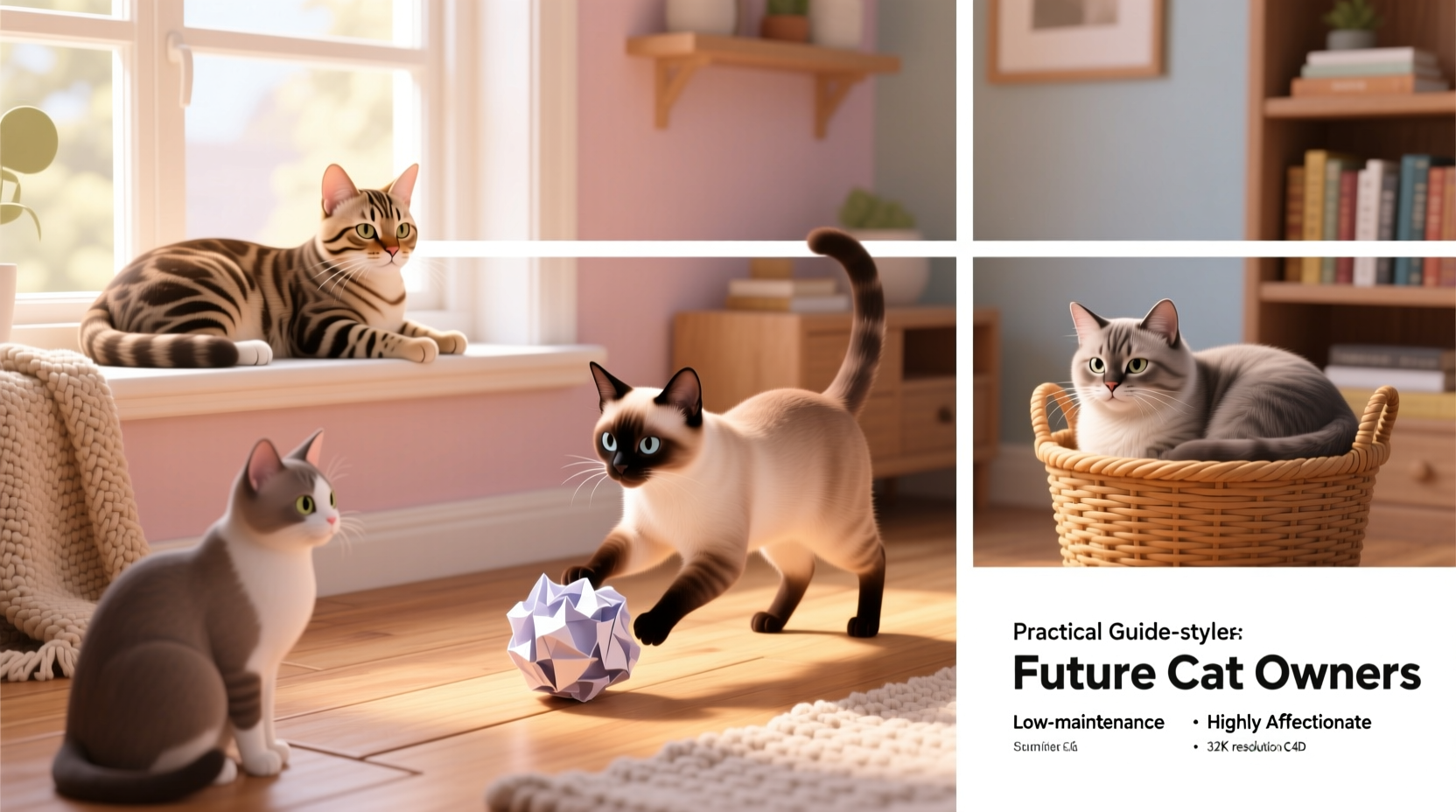
Before visiting a shelter or contacting a breeder, take time to define what “the cat you want” actually means. This isn’t just about appearance. It’s about temperament, energy level, grooming needs, and compatibility with your household. A fluffy Persian may look regal, but if you work 60-hour weeks, its need for daily brushing and companionship could become overwhelming.
Consider these core factors:
- Lifestyle fit: Do you live alone, with roommates, or with children? Is your home quiet or busy?
- Time availability: Can you commit to playtime, grooming, and vet visits?
- Allergies: Are any household members sensitive to dander?
- Long-term plans: Will you be moving, traveling, or changing jobs in the next few years?
Choose the Right Path: Shelter, Rescue, or Breeder?
There are multiple avenues to adopt a cat, each with pros and cons. Your choice should align with your goals, budget, and timeline.
| Option | Best For | Pros | Cons |
|---|---|---|---|
| Animal Shelters | Immediate adoption, budget-conscious owners | Low fees, vaccinated cats, support staff | Limited breed selection, less known history |
| Rescue Organizations | Specific breeds or special needs cats | Foster-evaluated temperaments, post-adoption support | Application process, waiting lists |
| Licensed Breeders | Specific breed traits and predictability | Kitten socialization, health testing, lineage records | High cost, ethical concerns if not reputable |
“Adopting a cat isn’t about finding perfection—it’s about finding compatibility. The right cat chooses you as much as you choose them.” — Dr. Lena Torres, Feline Behavior Specialist
Conduct a Strategic Search
Finding your ideal cat often takes weeks or even months. Use a structured approach instead of reacting to cute photos online.
- Start with local rescues: Visit websites like Petfinder or Adopt-a-Pet and set up alerts based on breed, age, and location.
- Contact breed-specific rescues: Even purebred cats end up in rescue. These organizations often know the breed’s quirks intimately.
- Visit in person: Online descriptions can be misleading. Spend at least 15–20 minutes observing and interacting with a cat before deciding.
- Ask detailed questions: Inquire about medical history, behavior in foster homes, litter habits, and socialization with other pets.
Avoid impulse adoptions—even if a kitten seems perfect, consider whether their energy level matches your home. An active Bengal might thrive in a family with older kids but stress in a quiet apartment.
Mini Case Study: Finding Luna
Sarah, a remote worker living alone, wanted a calm, affectionate cat who would enjoy lounging near her desk. She initially fell for a lively Siamese mix online but paused after speaking with the rescue coordinator. Instead, she was introduced to Luna, a 3-year-old domestic shorthair who had lived in a foster home with minimal noise and routine cuddle times. After a meet-and-greet, Sarah noticed Luna approached slowly, purred when petted, and settled nearby without demanding attention. Six months later, Luna sleeps beside Sarah’s laptop every afternoon—a perfect match made through careful screening, not impulse.
Prepare Your Home Before Bringing the Cat Home
Getting the cat you want also means creating an environment where they can thrive. A stressed or confused cat may display behaviors that don’t reflect their true personality.
Essential preparations include:
- A quiet room for initial adjustment (with litter box, food, water, bed, and hiding spot)
- Scratching posts and climbing structures
- Safe storage of toxic plants and loose wires
- Microchip registration and collar with ID tag
Checklist: Pre-Adoption Home Setup
- Buy high-quality food recommended by the shelter or breeder
- Set up a litter box in a low-traffic area
- Install window perches or cat shelves
- Purchase a carrier for vet visits
- Stock up on toys, brushes, and nail clippers
- Schedule a vet checkup within the first week
Avoid Common Pitfalls
Many well-meaning adopters make mistakes that undermine the bonding process or reveal mismatches too late. Steering clear of these issues increases your chances of long-term success.
- Overlooking adult cats: Kittens are adorable but require intensive training. Adult cats often have settled personalities and lower energy demands.
- Ignoring behavioral red flags: Hissing, hiding for hours, or aggression during meetups shouldn’t be dismissed as “shyness.” These may indicate chronic stress or trauma.
- Skipping trial periods: Some rescues offer foster-to-adopt programs. Take advantage of these to test compatibility in your actual living space.
- Underestimating costs: Beyond adoption fees, budget for annual vet visits ($200–$500), food ($150–$300/year), and unexpected illnesses.
FAQ
How do I know if a cat is truly compatible with my dog?
The best way is supervised interaction. Ask the rescue if the cat has lived with dogs before, and arrange a gradual introduction. Signs of compatibility include relaxed body posture, mutual ignoring (a good sign!), and no hissing or growling after initial curiosity.
Is it harder to adopt a specific breed from a shelter?
It can take longer, but it’s not impossible. About 25% of shelter cats are purebred or mixed with recognizable breed traits. Setting up email alerts and building relationships with local rescues improves your odds significantly.
What if the cat doesn’t adjust after a few weeks?
Give it time—four to six weeks is typical for full acclimation. If anxiety, litter box avoidance, or aggression persist, consult a veterinarian or certified feline behaviorist. Environmental enrichment and pheromone diffusers (like Feliway) can help reduce stress.
Conclusion
Getting the cat you want isn’t about chasing an idealized image—it’s about making informed, intentional choices that honor both your needs and the cat’s well-being. Whether you adopt a kitten from a breeder or an adult cat from a shelter, the key lies in preparation, patience, and realistic expectations. By researching thoroughly, preparing your home, and engaging with reputable sources, you dramatically increase the likelihood of a joyful, lasting bond.




 浙公网安备
33010002000092号
浙公网安备
33010002000092号 浙B2-20120091-4
Comments
No comments yet. Why don't you start the discussion?