
Post-Traumatic Stress Disorder (PTSD) is more than a reaction to trauma—it’s a complex psychological condition that can persist for years if left untreated. Affecting millions worldwide, PTSD can stem from experiences such as military combat, physical or sexual assault, natural disasters, accidents, or prolonged exposure to violence. While the symptoms—flashbacks, hypervigilance, emotional numbness, and intrusive thoughts—can feel overwhelming, recovery is not only possible but achievable with the right support and strategies. This guide outlines evidence-based treatments, lifestyle adjustments, and holistic approaches that empower individuals on their path to lasting healing.
Understanding PTSD: Symptoms and Diagnosis
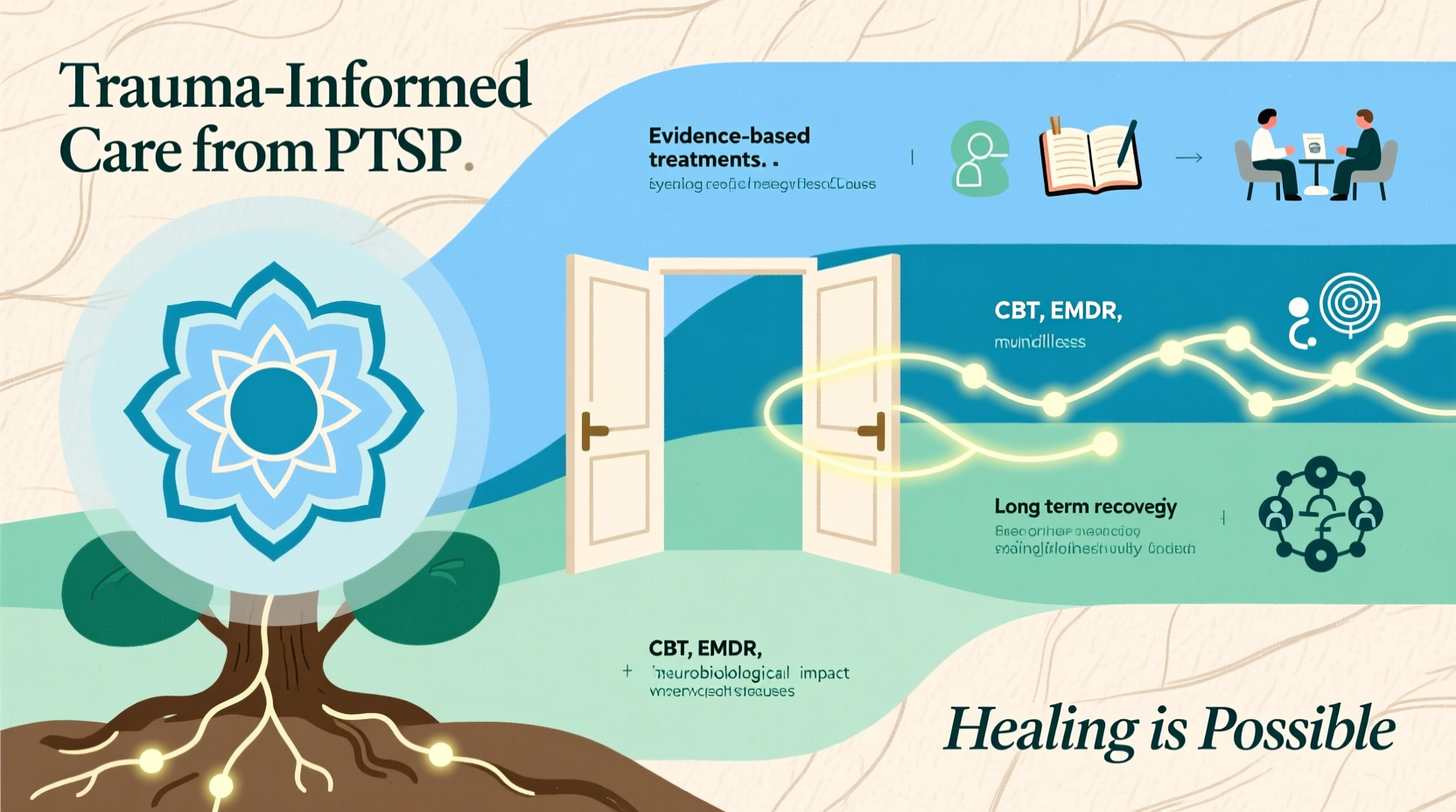
PTSD develops after exposure to a traumatic event where serious harm occurred or was threatened. According to the Diagnostic and Statistical Manual of Mental Disorders (DSM-5), diagnosis requires specific symptom clusters lasting more than one month:
- Intrusion: Recurrent, involuntary memories, nightmares, or flashbacks.
- Avoidance: Efforts to avoid trauma-related thoughts, feelings, or external reminders.
- Negative alterations in cognition and mood: Persistent negative beliefs, distorted blame, diminished interest, or detachment.
- Alterations in arousal and reactivity: Irritability, reckless behavior, hypervigilance, or sleep disturbances.
These symptoms must cause significant distress or impairment in social, occupational, or other important areas of functioning. It’s crucial to note that not everyone who experiences trauma develops PTSD—individual resilience, support systems, and early intervention play vital roles in outcomes.
Proven Therapeutic Approaches to Treating PTSD
Psychotherapy remains the cornerstone of PTSD treatment. Several modalities have demonstrated strong clinical effectiveness through decades of research.
Cognitive Processing Therapy (CPT)
CPT helps individuals reframe unhelpful beliefs related to the trauma. Over 12 sessions, patients learn to identify “stuck points”—thoughts like “It was my fault” or “The world is entirely dangerous”—and challenge them using structured writing exercises and Socratic questioning.
Prolonged Exposure (PE) Therapy
PE operates on the principle that avoidance maintains PTSD. Through controlled, repeated exposure to trauma memories and safe real-world situations, patients gradually reduce fear and regain control. Sessions typically include imaginal exposure (recounting the trauma aloud) and in vivo exposure (visiting avoided places).
Eye Movement Desensitization and Reprocessing (EMDR)
EMDR combines memory recall with bilateral stimulation—such as guided eye movements—to help the brain reprocess traumatic memories. Research shows EMDR can reduce PTSD symptoms significantly, often in fewer sessions than traditional talk therapy.
“Trauma changes the nervous system, but therapy can rewire it. The brain’s capacity for healing is remarkable when given the right tools.” — Dr. Bessel van der Kolk, author of *The Body Keeps the Score*
Medication and Medical Support
While therapy is first-line treatment, medications can be valuable adjuncts, especially for managing severe symptoms.
| Medication | Primary Use | Common Side Effects |
|---|---|---|
| Sertraline (Zoloft) | First-line SSRI for PTSD | Nausea, insomnia, sexual dysfunction |
| Paroxetine (Paxil) | FDA-approved for PTSD | Drowsiness, weight gain, dry mouth |
| Prazosin | Reduces trauma-related nightmares | Dizziness, low blood pressure |
| Mirtazapine | For sleep and appetite issues | Increased appetite, sedation |
Medications should always be prescribed and monitored by a psychiatrist. They are most effective when combined with psychotherapy rather than used in isolation.
Holistic and Lifestyle Strategies for Recovery
Healing from PTSD extends beyond the therapist’s office. Daily habits and environmental factors significantly influence progress.
Establish a Predictable Routine
Structure reduces anxiety. Waking, eating, and sleeping at consistent times helps regulate the nervous system. Incorporate calming rituals like morning stretching or evening journaling.
Physical Activity and Mind-Body Practices
Exercise—especially aerobic activities like walking, swimming, or cycling—lowers cortisol and increases endorphins. Yoga and tai chi integrate breath and movement, which can help ground individuals during dissociative episodes.
Nutrition and Sleep Hygiene
Poor diet and disrupted sleep exacerbate PTSD symptoms. Prioritize whole foods, limit caffeine and alcohol, and create a screen-free wind-down routine before bed.
Real-Life Example: Maria’s Journey to Recovery
Maria, a 34-year-old nurse, developed PTSD after surviving a violent home invasion. For months, she struggled with panic attacks, insomnia, and avoiding her neighborhood. She began Cognitive Processing Therapy and committed to weekly sessions. Her therapist helped her confront guilt about not fighting back, reframing it as survival instinct. Alongside therapy, Maria joined a trauma-informed yoga group and started walking daily. Within six months, her flashbacks decreased, and she resumed driving through the area of the incident. Two years later, she mentors others recovering from trauma.
Maria’s story underscores a key truth: healing is nonlinear but possible with persistence and support.
Step-by-Step Guide to Beginning PTSD Recovery
- Recognize the signs: Acknowledge that persistent distress after trauma may indicate PTSD.
- Seek professional help: Consult a licensed therapist trained in trauma-focused therapies.
- Build a support network: Share your experience with trusted friends, family, or support groups.
- Start small with self-care: Focus on sleep, nutrition, and gentle movement.
- Commit to treatment: Attend therapy consistently and complete recommended exercises.
- Track progress: Keep a journal to note improvements, setbacks, and triggers.
- Practice patience: Healing takes time. Celebrate small victories along the way.
Frequently Asked Questions
Can PTSD go away on its own?
Some people recover naturally within a few months, especially with strong support. However, for many, symptoms persist or worsen without treatment. Professional intervention significantly increases the likelihood of full recovery.
Is PTSD curable?
While some prefer the term “manageable” over “curable,” many individuals achieve remission—meaning symptoms no longer meet diagnostic criteria and do not interfere with daily life. Long-term recovery is attainable with appropriate care.
What if I don’t remember the trauma clearly?
Memory gaps are common after trauma. Effective therapies like EMDR and somatic experiencing do not require detailed recollection. Healing focuses on how the trauma lives in the body and mind, not just the narrative.
Conclusion: Taking the First Step Toward Healing
Recovering from PTSD is not about forgetting the past, but about reclaiming your present and future. With evidence-based therapies, medical support, and intentional lifestyle choices, healing is within reach. No one should navigate this journey alone. Whether you’re seeking help for yourself or supporting someone else, remember that courage isn’t the absence of fear—it’s moving forward despite it. The path to recovery begins with a single step: reaching out.




 浙公网安备
33010002000092号
浙公网安备
33010002000092号 浙B2-20120091-4
Comments
No comments yet. Why don't you start the discussion?