
In today’s digital landscape, building a website is only half the battle. Without consistent, high-quality traffic, even the most polished site will struggle to achieve visibility, engagement, or conversions. The key isn’t just attracting visitors—it’s attracting the right ones through sustainable, scalable methods. While paid ads can deliver quick results, long-term success depends on strategic, organic growth. From search engine optimization to audience engagement, the most effective traffic strategies combine technical precision with human insight.
Optimize for Search Engines (SEO)
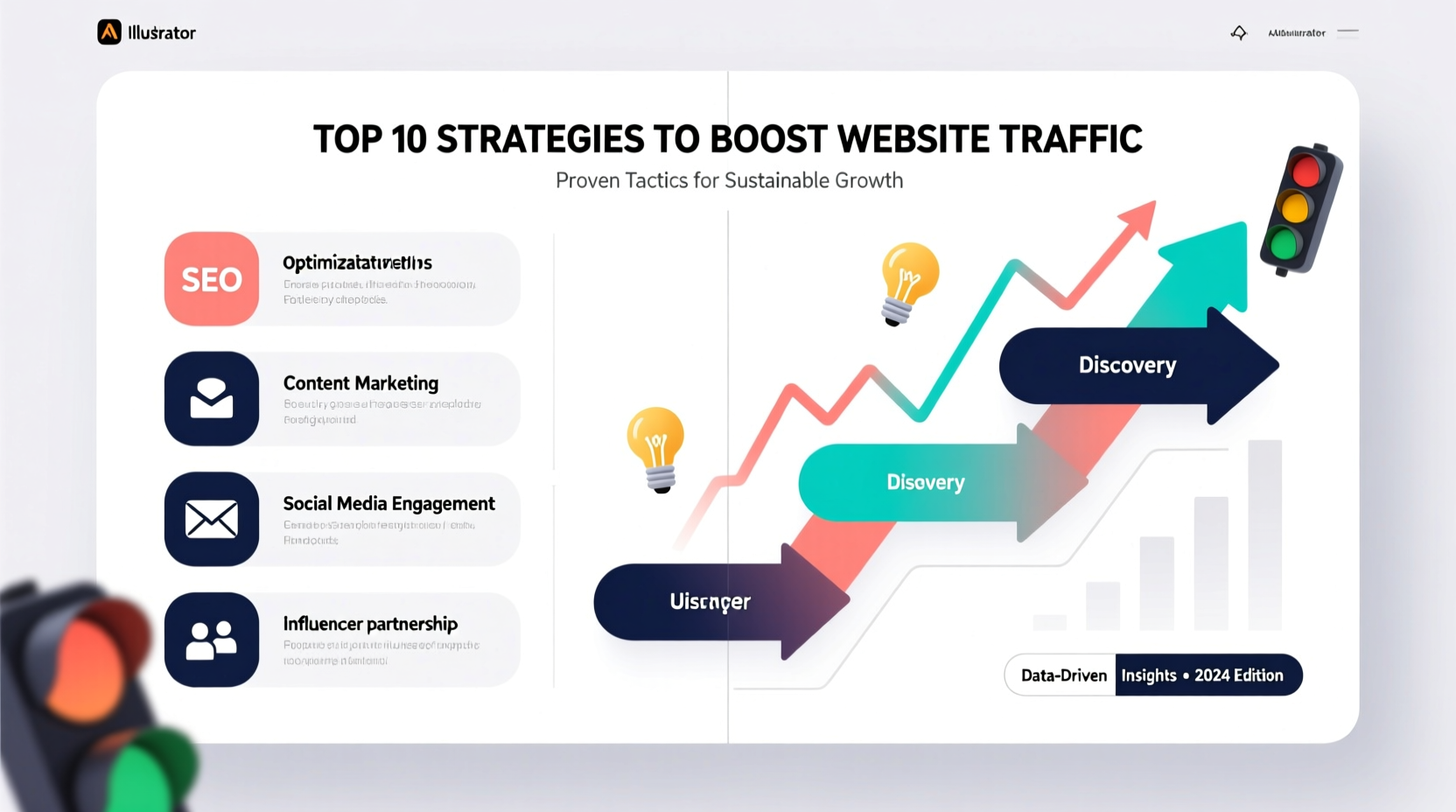
Search engine optimization remains one of the most powerful tools for driving targeted traffic. Unlike short-lived trends, SEO builds momentum over time, leading to compounding returns. Start by conducting thorough keyword research to identify terms your audience is actively searching for. Tools like Google Keyword Planner, Ahrefs, or SEMrush help uncover opportunities based on search volume, competition, and intent.
Once you’ve identified target keywords, integrate them naturally into page titles, headers, meta descriptions, and body content. But modern SEO goes beyond keywords. Google now prioritizes user experience, so factors like page speed, mobile responsiveness, and structured data markup are essential.
Regularly audit your site using tools like Google Search Console to identify indexing issues, broken links, or underperforming pages. Fixing these technical gaps can lead to immediate improvements in rankings and traffic.
Create High-Value, Evergreen Content
Content is the foundation of organic traffic. However, not all content performs equally. To consistently attract visitors, focus on creating comprehensive, evergreen resources that answer real questions and solve persistent problems.
For example, instead of writing “5 Tips for Better Sleep,” develop a detailed guide titled “The Science of Sleep: How to Fall Asleep Faster and Stay Asleep Longer.” This type of content ranks better because it demonstrates depth, authority, and relevance—qualities Google rewards.
Publishing regularly is important, but consistency matters more than frequency. A single 3,000-word guide that ranks on page one of Google can generate thousands of visits per month for years. Repurpose this content into newsletters, social media snippets, or video scripts to extend its reach.
“Content that educates, entertains, or empowers will always outperform content created solely for algorithms.” — Neil Patel, Digital Marketing Strategist
Build Authority Through Backlinks and Partnerships
No SEO strategy is complete without earning backlinks from reputable websites. Each high-quality inbound link acts as a vote of confidence, signaling to search engines that your content is trustworthy and valuable.
Earning backlinks requires outreach and relationship-building. Guest posting on industry blogs, contributing expert commentary to roundups, or creating shareable research (like original surveys or infographics) are proven methods. Avoid spammy directories or paid link schemes—Google penalizes manipulative tactics.
Collaborate with influencers or complementary brands to co-create content. A joint webinar, podcast interview, or co-authored article can expose your website to new audiences while generating natural backlinks.
| Strategy | Effectiveness | Time to Results |
|---|---|---|
| Guest Blogging | High | 4–8 weeks |
| Broken Link Building | Moderate | 6–10 weeks |
| Skyscraper Technique | High | 8–12 weeks |
| Paid Links | Low (Risky) | Immediate (Penalty Risk) |
Leverage Social Media and Community Engagement
Social media doesn’t directly boost SEO, but it amplifies content reach and drives referral traffic. Choose platforms where your audience spends time—LinkedIn for B2B professionals, Pinterest for lifestyle niches, Instagram for visual industries.
The key is engagement, not broadcasting. Respond to comments, participate in discussions, and join relevant groups or forums. Share insights, not just links. When people trust your voice, they’re more likely to visit your site organically.
Reddit, Quora, and niche forums offer untapped potential. Answer questions thoughtfully and include a link to a relevant resource only when it adds value. Avoid self-promotion; focus on being helpful.
Implement a Step-by-Step Traffic Growth Plan
Growing website traffic isn’t a one-off task. It requires a structured approach. Follow this timeline to build momentum over six months:
- Week 1–2: Audit your current website for technical SEO issues (speed, mobile usability, indexation).
- Week 3–4: Identify 10 high-potential keywords and map them to existing or planned content.
- Month 2: Publish two comprehensive, research-backed articles targeting primary keywords.
- Month 3: Begin outreach for backlinks—pitch guest posts and connect with industry bloggers.
- Month 4: Launch a biweekly newsletter featuring your best content and curated insights.
- Month 5: Increase social engagement by joining 3–5 active communities and contributing weekly.
- Month 6: Analyze traffic sources, double down on what’s working, and refine underperforming areas.
Real Example: How a Small Fitness Site Grew Traffic 400%
A boutique fitness blog focused on home workouts struggled to gain traction despite publishing twice weekly. After an SEO audit, they discovered their content was too broad and lacked keyword targeting.
The team revised their strategy: they narrowed their niche to “bodyweight training for beginners,” optimized existing posts, and created a definitive guide on “30-Day No-Equipment Strength Challenge.” They promoted it via Reddit’s r/Fitness and partnered with a micro-influencer on YouTube who linked to the guide.
Within five months, organic traffic increased by 412%, and the guide became their top-performing page, generating consistent sign-ups for their email list.
Essential Traffic-Building Checklist
- ✅ Conduct keyword research for every major content piece
- ✅ Optimize title tags, meta descriptions, and headers
- ✅ Ensure fast loading speed and mobile compatibility
- ✅ Publish at least one in-depth, evergreen article per month
- ✅ Earn at least 2–3 quality backlinks per quarter
- ✅ Engage authentically on 2–3 social platforms weekly
- ✅ Monitor traffic with Google Analytics and adjust strategy monthly
Frequently Asked Questions
How long does it take to see results from SEO?
Most websites begin seeing measurable improvements in 3–6 months. Highly competitive niches may take longer. Consistency and quality are critical for long-term success.
Is paid advertising necessary to get traffic?
Not necessarily. While paid ads (like Google Ads or Facebook) can drive immediate traffic, organic strategies offer better ROI over time. Many successful sites rely primarily on SEO and content marketing.
Can I get traffic without social media?
Yes. While social media helps, it’s not mandatory. Email marketing, SEO, and referral partnerships can generate substantial traffic independently.
Take Action Today
Driving traffic to your website isn’t about shortcuts—it’s about strategy, patience, and persistence. The most effective methods require effort upfront but deliver lasting results. Whether you’re refining your SEO, crafting authoritative content, or building relationships in your niche, every action compounds over time.




 浙公网安备
33010002000092号
浙公网安备
33010002000092号 浙B2-20120091-4
Comments
No comments yet. Why don't you start the discussion?