
Dog barking is a natural behavior—essential for communication and alerting—but when it becomes excessive, it can strain relationships with neighbors, disrupt household peace, and even indicate underlying anxiety in your pet. Many owners turn to bark collars as a solution, but used incorrectly, these tools can increase stress or damage the bond between dog and owner. The key lies not in suppression, but in thoughtful, humane management. When combined with understanding, consistency, and proper training, bark collars can be an effective part of a broader behavioral strategy that respects your dog’s needs while reducing unwanted noise.
Understanding Why Dogs Bark
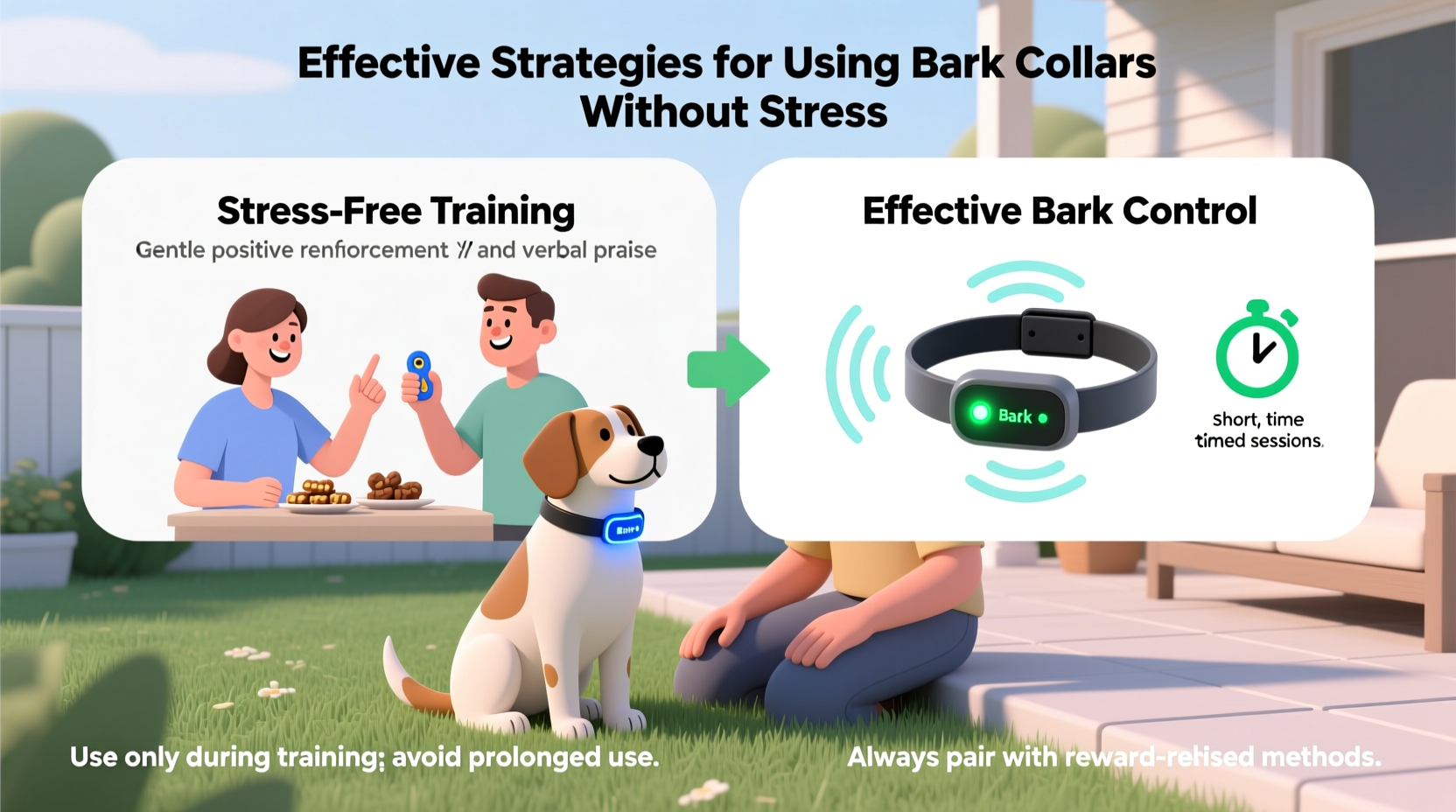
Before introducing any corrective tool, it's crucial to understand what drives your dog’s barking. Barking serves multiple purposes: territorial defense, fear response, attention-seeking, boredom, or excitement. A dog that barks at strangers may feel protective; one that barks when left alone could be experiencing separation anxiety. Applying a bark collar without identifying the root cause is like treating a fever without diagnosing the illness—it might stop the symptom, but it won’t solve the problem.
Consider these common triggers:
- Alert barking: Reacting to stimuli like doorbells or passing animals.
- Attention-seeking: Barking to get food, playtime, or interaction.
- Anxiety-related: Triggered by isolation, loud noises, or unfamiliar environments.
- Compulsive barking: Repetitive barking with no clear trigger, often from lack of stimulation.
Only once you’ve assessed the motivation behind the barking should you consider a bark collar—and even then, it should never be the first or only intervention.
Choosing the Right Type of Bark Collar
Not all bark collars are created equal. Modern options vary widely in mechanism and sensitivity, and selecting the appropriate type depends on your dog’s temperament, size, and the nature of their barking. Here’s a comparison of the most common types:
| Type | How It Works | Best For | Caution |
|---|---|---|---|
| Vibration | Emits a gentle buzz when barking is detected | Sensitive or anxious dogs | May not be strong enough for highly excitable breeds |
| Ultrasonic | Releases a high-pitched sound inaudible to humans | Outdoor use, multi-dog households | Some dogs habituate quickly; inconsistent results |
| Spray (Citronella) | Releases a scent deterrent upon barking | Dogs responsive to smell-based cues | Refill required; less effective in windy conditions |
| Static (Low-Level Shock) | Delivers a mild corrective impulse | Stubborn or highly reactive barkers | Must be used carefully to avoid fear or aggression |
Experts increasingly recommend starting with the least intrusive option—vibration or spray collars—before considering static models. The goal is interruption, not punishment.
“Bark collars should function as a cue, not a correction. When used properly, they redirect attention, allowing the owner to reinforce quiet behavior.” — Dr. Karen Wilson, Certified Animal Behaviorist
Step-by-Step Guide to Introducing a Bark Collar Safely
Introducing a bark collar requires patience and structure. Follow this timeline to ensure your dog adapts without stress:
- Day 1–2: Acclimation – Let your dog wear the collar (without activation) during calm indoor periods. Pair with treats and praise to create positive associations.
- Day 3–4: Activate at Low Sensitivity – Turn on the collar at its lowest setting. Monitor reactions closely. If your dog shows signs of distress (whining, cowering), discontinue use and reassess.
- Day 5–7: Controlled Testing – Simulate mild triggers (e.g., ringing the doorbell) and observe if the collar interrupts barking. Immediately reward silence with a treat or toy.
- Week 2: Combine with Training – Use the collar during known barking situations, but reinforce “quiet” commands. The collar supports training—it doesn’t replace it.
- Ongoing: Gradual Phasing Out – Once consistent quiet behavior is achieved, reduce reliance on the collar. Use intermittently to maintain progress.
The collar should never be worn for more than 8–10 hours per day, and it must be removed at night to prevent skin irritation and allow downtime.
Real-World Example: Managing Territorial Barking
Maria, a homeowner in suburban Denver, struggled with her two-year-old Border Collie, Luna, who barked aggressively at passersby through the front window. Despite walks and mental stimulation, the barking persisted. After consulting a trainer, Maria began by blocking Luna’s view of the street with a privacy film. She introduced a citronella spray collar during daytime hours, pairing each activation with a “quiet” command and a treat when Luna complied. Within three weeks, barking decreased by 80%. By week six, the collar was used only occasionally, and Luna responded reliably to verbal cues.
This case highlights a critical principle: bark collars work best when integrated into a comprehensive plan that includes environmental modification and positive reinforcement.
Essential Do’s and Don’ts When Using Bark Collars
| Do’s | Don’ts |
|---|---|
| Use the collar as part of a broader training plan | Leave the collar on 24/7 or overnight |
| Start with the mildest effective setting | Use it on puppies under 6 months or aggressive dogs |
| Pair corrections with positive reinforcement | Rely solely on the collar without behavioral training |
| Check fit regularly to prevent chafing | Use static collars on fearful or anxious dogs |
Frequently Asked Questions
Are bark collars cruel?
When used correctly and humanely, bark collars are not inherently cruel. Vibration, spray, and ultrasonic models are designed to interrupt rather than punish. However, misuse—such as prolonged wear, incorrect settings, or using them on anxious dogs—can cause stress. Always prioritize your dog’s well-being and consult a professional if unsure.
Can bark collars stop all types of barking?
No. They are most effective for habitual or attention-seeking barking. If barking stems from fear, anxiety, or medical issues (like cognitive decline in older dogs), a collar will not resolve the root cause. In such cases, veterinary or behavioral intervention is necessary.
How long does it take for a bark collar to work?
Results vary. Some dogs respond within a few days; others may take several weeks. Consistency is key. If there’s no improvement after 3–4 weeks of correct use, reevaluate the approach—your dog may need alternative training methods or professional help.
Final Checklist for Stress-Free Bark Control
- ✔ Identify the cause of barking before choosing a collar
- ✔ Select the least invasive collar type suitable for your dog
- ✔ Introduce the collar gradually with positive reinforcement
- ✔ Combine collar use with obedience training and environmental adjustments
- ✔ Monitor your dog’s behavior and physical comfort daily
- ✔ Phase out the collar once desired behavior is consistent
- ✔ Consult a veterinarian or certified trainer if barking persists
Conclusion
Controlling excessive barking doesn’t require compromise between effectiveness and compassion. With careful selection, gradual introduction, and integration into a positive training framework, bark collars can be a valuable tool in fostering a calmer, more harmonious home. The ultimate goal isn’t silence—it’s communication. When your dog learns that quiet behavior leads to rewards and connection, the need for external aids diminishes. Start today by observing your dog’s triggers, choosing the right support tool, and building a quieter, more trusting relationship—one calm moment at a time.




 浙公网安备
33010002000092号
浙公网安备
33010002000092号 浙B2-20120091-4
Comments
No comments yet. Why don't you start the discussion?