
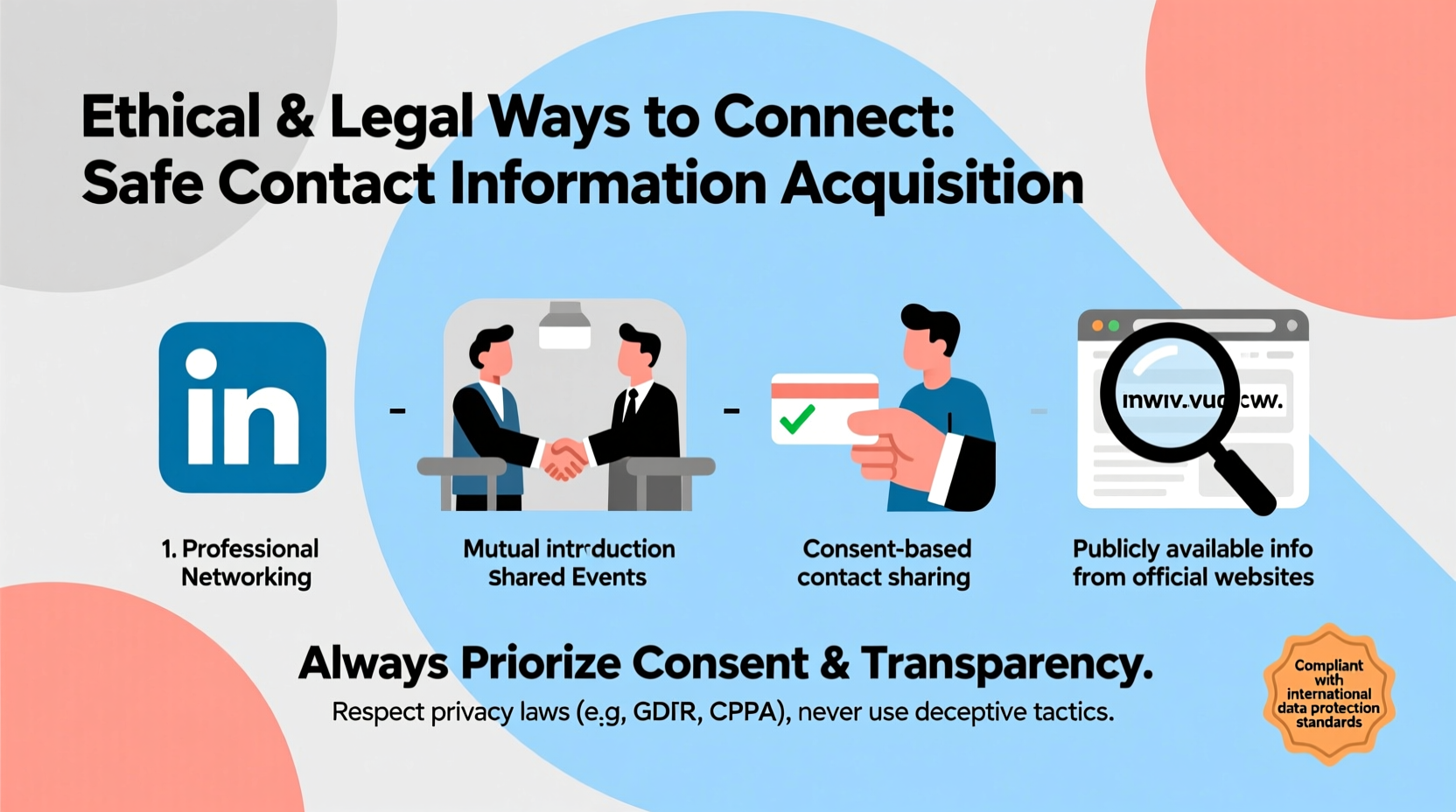
Gaining access to someone’s contact information can be essential for networking, business development, or personal outreach. However, the process must be handled with care, respect for privacy, and full compliance with data protection laws such as the GDPR in Europe or the CCPA in California. The goal is not just to collect a phone number or email address, but to build trust and establish meaningful connections. When done correctly, obtaining contact details becomes a natural part of mutual engagement rather than an intrusive act.
The key lies in transparency, consent, and value exchange. People are more willing to share their information when they understand why it’s needed and what they gain in return. This article outlines practical, ethical, and legally sound methods to gather contact information while fostering goodwill and long-term relationships.
Build Trust Through Value Exchange
One of the most effective ways to encourage someone to share their contact information is by offering something of value in return. Whether it’s a free guide, exclusive event invitation, consultation, or access to a resource, people respond positively when they perceive fairness in the exchange.
For example, professionals attending a seminar may willingly provide their email to receive presentation slides or a follow-up checklist. Similarly, visitors to a website often opt in for newsletters when offered a downloadable template or industry report.
This principle works because it shifts the interaction from transactional to relational. Instead of feeling like a target, the individual feels respected and acknowledged. Over time, this builds credibility and makes future communication more welcome.
Leverage Professional Networking Events
In-person and virtual networking events remain one of the safest and most socially accepted environments for exchanging contact information. Conferences, workshops, trade shows, and industry meetups create natural opportunities for connection.
When meeting someone at such events, introduce yourself clearly, express genuine interest in their work, and ask if you can stay in touch. A simple phrase like, “I’d love to continue this conversation—would you be open to connecting via email?” respects boundaries while opening the door.
“People don’t mind sharing contact details when the request comes from authentic engagement.” — Sarah Lin, Career Development Coach
Always follow up within 24–48 hours with a personalized message referencing your conversation. This reinforces that your intent was sincere and not merely data harvesting.
Use Ethical Digital Collection Methods
Online platforms offer powerful tools for collecting contact information—but only when used responsibly. Websites, social media, and landing pages should include clear opt-in mechanisms that comply with privacy regulations.
A well-designed contact form should explain exactly how the information will be used (e.g., “We’ll send monthly updates on digital marketing trends”). Pre-checked boxes are prohibited under GDPR; consent must be explicit and informed.
| Method | Best Practice | Risk to Avoid |
|---|---|---|
| Email Signup Forms | Include a double opt-in process | Assuming consent from website visits |
| Social Media Direct Messages | Ask politely after building rapport | Spamming unsolicited requests |
| Lead Magnets (e.g., eBooks) | Deliver high-value content promptly | Overpromising and underdelivering |
| Webinars & Online Courses | Collect info during registration | Selling or sharing data without permission |
Transparency about data usage isn’t just ethical—it improves conversion rates. Users are more likely to submit information when they know their privacy is protected and their inbox won’t be flooded.
Step-by-Step Guide to Request Contact Information Professionally
Approaching someone for their contact details requires tact and timing. Follow this sequence to increase success while maintaining professionalism:
- Establish Relevance: Ensure there’s a logical reason to connect—shared interests, professional overlap, or a collaborative opportunity.
- Engage First: Begin with a brief, meaningful interaction. Comment on their post, ask a thoughtful question, or reference a mutual connection.
- Express Intent Clearly: State why you’d like to connect. For instance: “Your insights on sustainable design were impressive—I’d appreciate the chance to discuss collaboration.”
- Request Respectfully: Ask if they’re open to sharing contact details or prefer to connect through LinkedIn or email.
- Follow Up Promptly: If they agree, send a thank-you message within 24 hours and honor any commitments made during the exchange.
Real Example: Gaining Trust in Freelance Outreach
Jamal, a freelance graphic designer, wanted to reach out to small business owners about branding services. Instead of cold-calling or scraping emails, he attended local entrepreneur mixers and joined online forums related to startup growth.
He began contributing helpful advice on logo design and brand consistency. After several weeks of consistent, non-promotional engagement, a café owner reached out asking for tips on redesigning her menu. Jamal provided a detailed response and mentioned he could share a customizable template if she’d like.
She agreed and shared her email voluntarily. Jamal sent the resource immediately, followed by a short note offering a free 30-minute consultation. Two weeks later, she became his first paying client.
This case illustrates how patience, value-first communication, and organic relationship-building lead to legitimate contact exchanges without coercion or deception.
Checklist: Ethical Contact Information Collection
- ✅ Offer clear value in exchange for contact details
- ✅ Obtain explicit, informed consent
- ✅ Explain how the information will be used
- ✅ Respect \"no\" or non-response without follow-up pressure
- ✅ Comply with applicable privacy laws (GDPR, CCPA, etc.)
- ✅ Securely store collected data and never sell it
- ✅ Provide an easy way to unsubscribe or request data deletion
Frequently Asked Questions
Is it legal to collect someone’s email from a public directory?
It depends on jurisdiction and context. In many regions, including the EU under GDPR, even publicly available personal data cannot be used for unsolicited marketing without consent. Always verify local laws and err on the side of caution by seeking permission before outreach.
Can I ask for a phone number during a casual conversation?
Yes, but only after establishing rapport and explaining your reason. For example, “Would you be comfortable sharing your number so I can text you the event details?” is respectful and purpose-driven. Avoid abrupt or vague requests.
What should I do if someone asks me to remove their information?
Comply immediately. Under most privacy laws, individuals have the right to request data deletion. Remove their details from all systems and confirm the action in writing if necessary. This strengthens trust and ensures legal compliance.
Conclusion
Obtaining someone’s contact information doesn’t require aggressive tactics or loopholes. The most effective approach combines empathy, transparency, and mutual benefit. When people feel respected and see value in connecting, they willingly share their details—and remain open to future communication.
Whether you're expanding your network, growing a client base, or nurturing personal relationships, prioritize integrity over speed. Build real connections, follow legal guidelines, and focus on long-term rapport rather than short-term gains.




 浙公网安备
33010002000092号
浙公网安备
33010002000092号 浙B2-20120091-4
Comments
No comments yet. Why don't you start the discussion?