
For individuals managing depression or anxiety with selective serotonin reuptake inhibitors (SSRIs), low motivation, emotional flatness, and reduced pleasure in daily activities can persist despite symptom improvement. These experiences are often linked to imbalances in dopamine—a neurotransmitter critical for reward, focus, and drive. While SSRIs primarily target serotonin, they don’t directly enhance dopamine, and in some cases, may even blunt its activity. Fortunately, several evidence-based lifestyle strategies can support healthy dopamine production without interfering with medication efficacy or safety.
The goal isn't to override prescribed treatment but to complement it with sustainable, non-pharmacological methods that promote neurochemical balance. The following approaches integrate neuroscience, behavioral psychology, and clinical insights to help you regain vitality and engagement in life—safely and effectively.
Understanding Dopamine and SSRIs: The Neurochemical Context
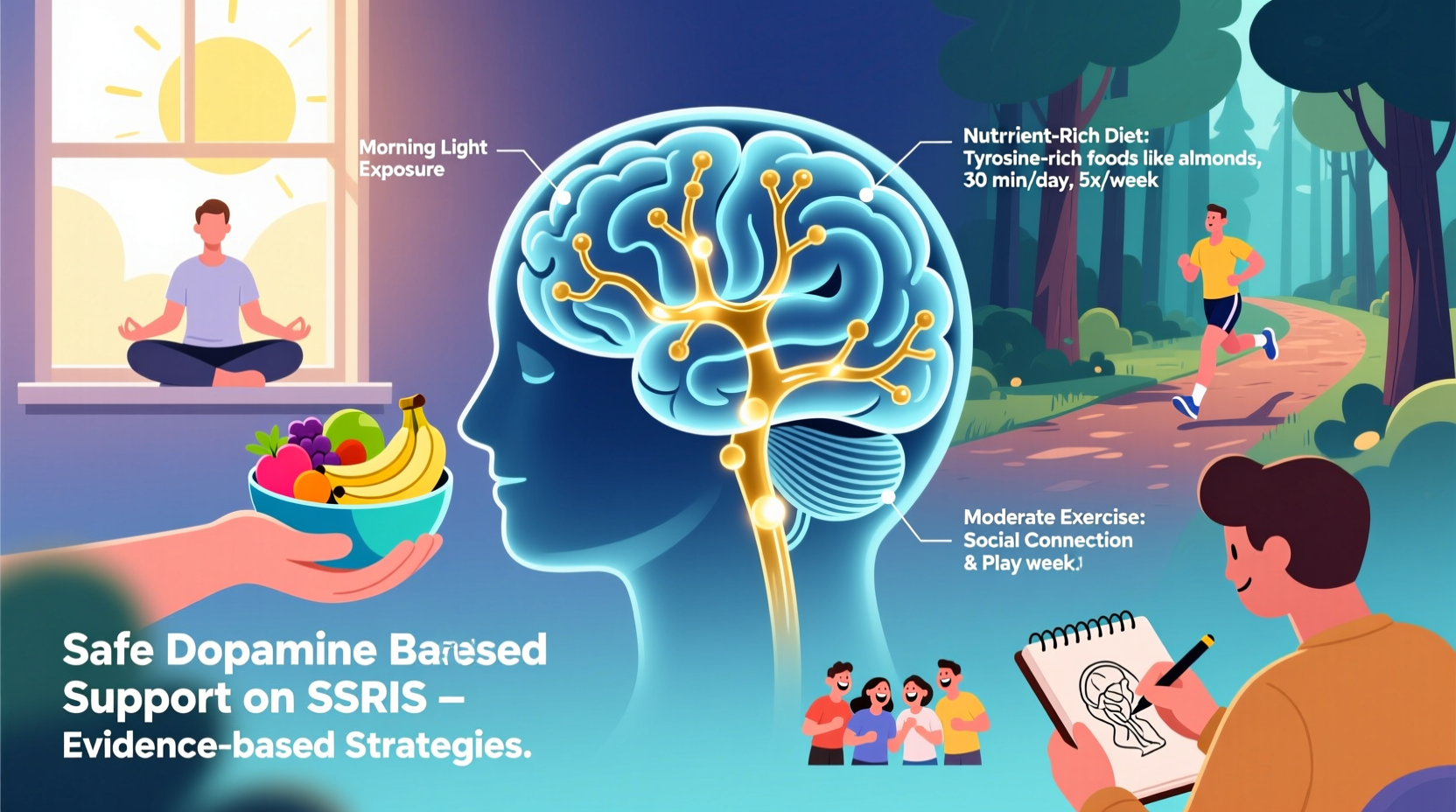
Dopamine regulates motivation, attention, mood, and the brain’s reward system. Low dopamine is associated with anhedonia (inability to feel pleasure), fatigue, procrastination, and lack of drive—all common residual symptoms in people on SSRIs. Although SSRIs increase serotonin availability, which helps stabilize mood, they don’t directly stimulate dopamine release. In fact, elevated serotonin can sometimes inhibit dopamine pathways, particularly in the prefrontal cortex, contributing to emotional blunting reported by up to 40% of SSRI users.
This doesn’t mean SSRIs are ineffective. For many, they provide essential relief from debilitating symptoms. However, optimizing dopamine through lifestyle interventions can address gaps in treatment and improve overall well-being.
“Many patients on SSRIs report feeling ‘numb’ or disconnected. Supporting dopamine through behavioral activation can restore a sense of agency and joy.” — Dr. Lena Patel, Clinical Neuroscientist and Mood Disorders Specialist
Natural Strategies to Support Dopamine Function
While no supplement or habit should replace medical advice, several non-invasive, research-supported practices can gently enhance dopamine tone. These work by stimulating natural release, improving receptor sensitivity, or supporting the synthesis of dopamine from precursor molecules like tyrosine.
1. Engage in Purposeful Physical Activity
Exercise is one of the most potent natural dopamine boosters. Aerobic activities such as brisk walking, cycling, or dancing increase dopamine synthesis and release in the striatum and prefrontal cortex. Even moderate exercise for 20–30 minutes daily can elevate baseline dopamine levels over time.
2. Prioritize Protein-Rich Nutrition
Dopamine is synthesized from the amino acid tyrosine, found in protein-rich foods. Ensuring adequate intake supports the brain’s ability to produce dopamine. Key sources include eggs, lean meats, dairy, legumes, nuts, and seeds.
Avoid excessive carbohydrate-heavy meals, which can lead to blood sugar spikes and crashes that impair cognitive function and dampen motivation. Instead, aim for balanced meals with sustained energy release.
3. Practice Goal Setting and Achievement
Completing small, meaningful tasks triggers dopamine release. The brain rewards progress, not just outcomes. Break larger goals into micro-tasks—like making your bed, sending an email, or organizing a drawer—and acknowledge each completion. This builds a positive feedback loop that strengthens motivation circuits.
4. Expose Yourself to Novelty and Challenge
The brain releases dopamine in response to novelty and learning. Introduce new experiences: learn a language, try a new recipe, take a different route to work, or explore unfamiliar music. Cognitive challenges stimulate dopaminergic neurons and reinforce neural plasticity.
5. Optimize Sleep and Circadian Rhythms
Poor sleep disrupts dopamine receptor sensitivity. Chronic sleep deprivation reduces D2 receptor availability, impairing motivation and decision-making. Aim for 7–9 hours of quality sleep with consistent bed and wake times—even on weekends.
Step-by-Step Guide to Building a Dopamine-Supportive Routine
Integrating these strategies requires consistency, not perfection. Follow this timeline to build sustainable habits over four weeks:
- Week 1: Baseline Assessment & Small Wins
Create a daily log tracking energy, motivation, and mood. Start with one short walk and one completed task per day. Note how small achievements affect your feelings. - Week 2: Nutritional Adjustment
Incorporate a protein source into every meal. Replace one processed snack with nuts or yogurt. Stay hydrated. - Week 3: Introduce Novelty
Add one new experience per week—visit a museum, try a new coffee shop, or listen to a podcast outside your usual interests. - Week 4: Consolidate & Reflect
Review your log. Identify patterns in what boosts your energy and focus. Adjust your routine accordingly.
Dietary and Supplemental Considerations
While whole foods should be the foundation, certain supplements may support dopamine synthesis—though caution is essential when combining them with SSRIs.
| Supplement | Potential Benefit | Caution with SSRIs |
|---|---|---|
| L-Tyrosine (500–1000 mg/day) | Precursor to dopamine; may improve alertness under stress | Generally safe, but avoid high doses; consult doctor |
| Omega-3 Fatty Acids (EPA/DHA) | Support neuronal membrane health and receptor function | No known interaction; beneficial for mood |
| Vitamin D | Regulates dopamine synthesis; deficiency linked to low mood | Safe if levels are monitored |
| Mucuna Pruriens (L-Dopa source) | Direct dopamine precursor | High risk: May interact unpredictably with SSRIs; avoid unless medically supervised |
Mini Case Study: Rebuilding Motivation After Months of Emotional Blunting
Sarah, a 34-year-old graphic designer, had been on sertraline for two years to manage generalized anxiety. While her panic attacks subsided, she noticed increasing apathy—she stopped painting, avoided social plans, and struggled to start work projects. She described feeling “functional but empty.”
With guidance from her psychiatrist, Sarah began a structured plan: morning walks, protein-focused breakfasts, and a daily list of three small tasks. Within three weeks, she reported improved mental clarity. By week six, she enrolled in a weekend pottery class—something she hadn’t considered in years. The combination of novelty, accomplishment, and physical engagement reignited her sense of purpose. Her SSRI dosage remained unchanged, but her quality of life improved significantly.
Common Pitfalls to Avoid
- Over-relying on quick fixes: Sugar, caffeine, or digital stimulation (e.g., social media) cause dopamine spikes followed by crashes, worsening long-term regulation.
- Pushing too hard too soon: Aggressive goal-setting can backfire if it leads to burnout or frustration. Start small and celebrate effort, not just results.
- Ignoring medical guidance: Never adjust SSRI dosage or add supplements without professional input.
FAQ
Can I increase dopamine without reducing my SSRI benefits?
Yes. Lifestyle strategies like exercise, nutrition, and behavioral activation work synergistically with SSRIs. They target different aspects of brain function and do not interfere with serotonin mechanisms when used appropriately.
Why do I feel less motivated even though my mood has improved on SSRIs?
This phenomenon, known as emotional blunting, affects a subset of users. It may result from serotonin-dopamine imbalance or downregulation of reward pathways. Addressing dopamine through non-drug methods can help restore motivation without discontinuing effective treatment.
Are there risks in trying to boost dopamine naturally?
The behavioral strategies themselves are low-risk. However, misuse of supplements like L-Dopa or excessive reliance on stimulants (e.g., energy drinks) can be harmful. Always prioritize safety and consult your healthcare provider before making changes.
Checklist: Daily Dopamine Support Plan
- ✅ 20–30 minutes of physical activity (walk, stretch, dance)
- ✅ Eat protein at each meal (eggs, chicken, beans, Greek yogurt)
- ✅ Complete 1–3 small, defined tasks and acknowledge completion
- ✅ Spend time in natural light or outdoors
- ✅ Avoid excessive screen time or passive entertainment
- ✅ Reflect on one positive moment before bed
Conclusion
Living well on SSRIs means more than symptom control—it includes reclaiming joy, drive, and engagement in life. By intentionally supporting dopamine through movement, nutrition, achievement, and novelty, you can bridge the gap between stability and vitality. These strategies are not shortcuts, but sustainable practices that align with your brain’s natural chemistry.




 浙公网安备
33010002000092号
浙公网安备
33010002000092号 浙B2-20120091-4
Comments
No comments yet. Why don't you start the discussion?