
Building significant muscle mass quickly is a goal shared by many fitness enthusiasts, from beginners to competitive athletes. However, the temptation to cut corners—through excessive training, extreme diets, or unproven supplements—can lead to burnout, injury, or long-term metabolic damage. The key to rapid, sustainable muscle growth lies not in shortcuts, but in a balanced, intelligent approach that aligns with human physiology.
Muscle hypertrophy—the scientific term for muscle growth—occurs when muscle fibers are subjected to progressive tension over time, followed by adequate recovery and nutrition. When these elements are optimized, gains can be both dramatic and healthy. This guide outlines proven, holistic strategies to accelerate muscle development while preserving joint integrity, hormonal balance, and overall well-being.
1. Prioritize Progressive Overload with Smart Training
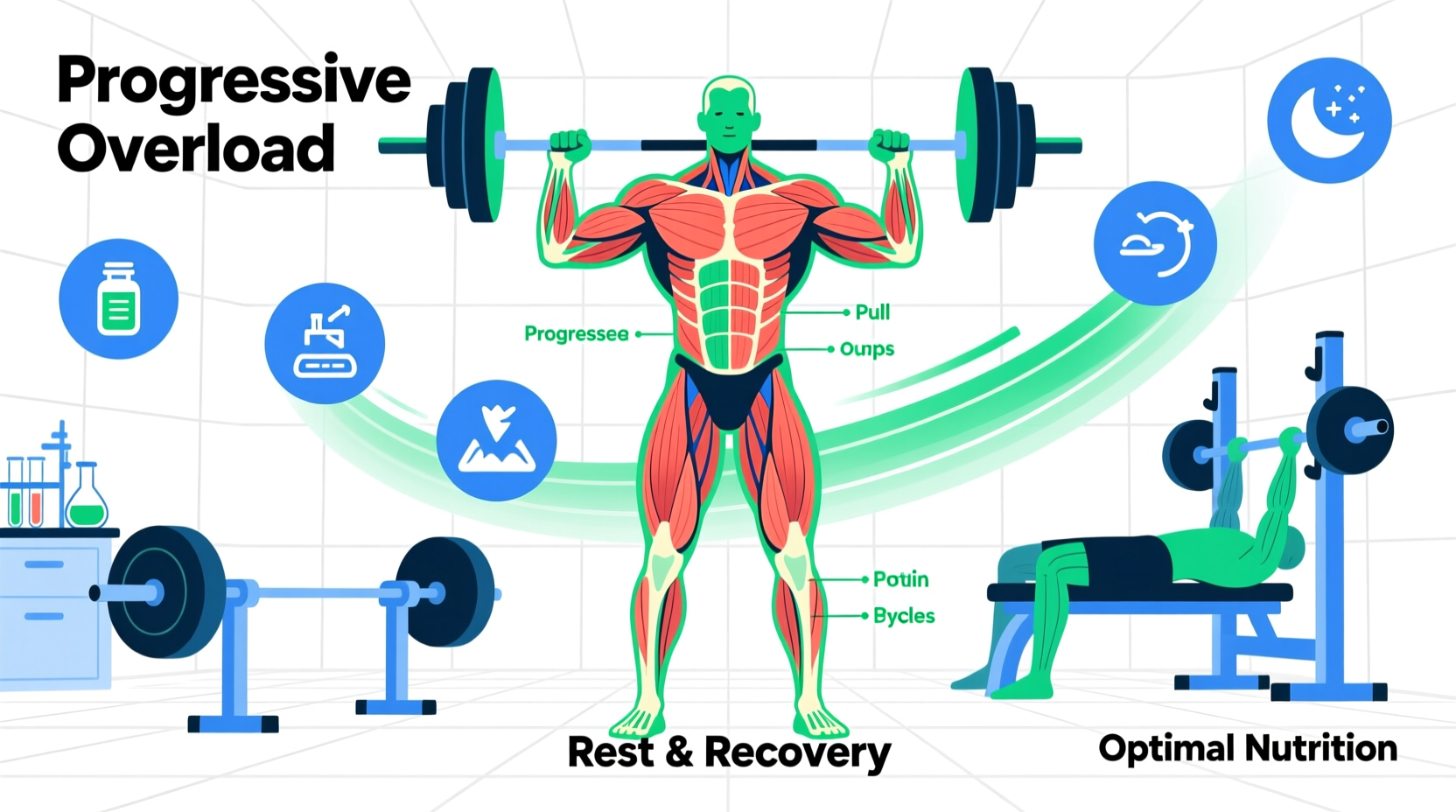
Progressive overload is the cornerstone of muscle growth. It involves gradually increasing the stress placed on the body during exercise—through heavier weights, more reps, or reduced rest periods. Without this stimulus, muscles have no reason to grow.
The most effective way to apply progressive overload is through structured resistance training focused on compound movements: squats, deadlifts, bench presses, pull-ups, and overhead presses. These exercises recruit multiple muscle groups simultaneously, maximizing mechanical tension and hormonal response.
Training frequency matters as much as intensity. Research shows that training each muscle group 2–3 times per week leads to greater hypertrophy than once-weekly sessions. A split routine—such as upper/lower or push/pull/legs—allows for sufficient volume while minimizing overtraining.
“Muscle growth isn’t about how hard you train in a single session, but how consistently you challenge adaptation over weeks.” — Dr. Stuart Phillips, McMaster University, leading researcher in protein metabolism and muscle synthesis
2. Optimize Nutrition for Hypertrophy and Recovery
No amount of training will yield results without proper fuel. To build muscle rapidly and safely, your diet must support anabolic processes, tissue repair, and energy demands.
Protein intake should be between 1.6–2.2 grams per kilogram of body weight daily. High-quality sources like eggs, lean meats, dairy, and legumes supply essential amino acids, particularly leucine, which directly triggers muscle protein synthesis.
Caloric surplus is necessary for muscle gain, but it must be moderate. A surplus of 300–500 calories per day allows for lean mass accumulation without excessive fat gain. Track your weight weekly; aim for a gain of 0.25–0.5 kg (0.5–1 lb) per week.
Carbohydrates replenish glycogen stores and enhance workout performance. Consume complex carbs like oats, sweet potatoes, and brown rice around workouts. Fats, especially omega-3s from fish and nuts, support hormone production and reduce inflammation.
| Nutrient | Daily Target | Best Sources |
|---|---|---|
| Protein | 1.6–2.2g/kg body weight | Chicken, eggs, Greek yogurt, tofu, whey |
| Carbohydrates | 4–7g/kg body weight | Oats, rice, fruit, vegetables |
| Fats | 0.8–1g/kg body weight | Avocado, olive oil, salmon, nuts |
3. Maximize Recovery Through Sleep and Rest
Muscles don’t grow during workouts—they grow during recovery. After resistance training, micro-tears in muscle fibers are repaired and rebuilt stronger, a process that requires time and biological resources.
Sleep is the most powerful recovery tool. During deep sleep, growth hormone secretion peaks, aiding tissue repair and fat metabolism. Aim for 7–9 hours of quality sleep nightly. Poor sleep impairs insulin sensitivity, increases cortisol (a catabolic hormone), and reduces workout performance.
Active recovery—light cardio, stretching, or mobility work on rest days—enhances blood flow and reduces soreness without adding strain. Avoid training the same muscle group intensely on consecutive days.
4. Step-by-Step 8-Week Muscle Growth Plan
A structured timeline ensures consistent progress while minimizing injury risk. Follow this phased approach to maximize results:
- Week 1–2: Foundation Phase
Establish proper form on compound lifts. Use moderate weights (60–70% of 1RM) for 3 sets of 10–12 reps. Focus on mind-muscle connection. - Week 3–4: Volume Build-Up
Increase training volume by adding sets or exercises. Begin tracking food intake to ensure caloric surplus. - Week 5–6: Intensity Surge
Incorporate heavier loads (75–85% 1RM) for 4–6 reps. Add one drop set per workout to boost metabolic stress. - Week 7: Deload Week
Reduce volume by 40–50%. Use lighter weights to promote recovery and joint health. - Week 8: Peak and Assess
Test strength gains with a retest of baseline lifts. Evaluate body composition changes and adjust nutrition as needed.
5. Real Example: From Beginner to Noticeable Gains in 3 Months
Consider Mark, a 28-year-old office worker who began training with minimal experience. He started at 70 kg (154 lbs) with visible fat around the midsection and little upper-body definition. His goal: gain 5 kg of lean muscle in three months without gaining excess fat.
He adopted a 4-day upper/lower split, progressively increasing weights on squats and bench press. He consumed ~2,800 calories daily, with 140g of protein. He prioritized sleep, averaging 7.5 hours per night, and avoided alcohol during the week.
By week 12, Mark had gained 4.5 kg (~10 lbs), with DEXA scans showing 3.8 kg was lean mass. His strength increased significantly—he went from struggling with 60 kg bench press to completing sets with 85 kg. Crucially, he reported higher energy, better mood, and no joint pain.
His success wasn’t due to extreme measures, but consistency in fundamentals: smart training, adequate nutrition, and recovery.
Common Pitfalls to Avoid
- Overtraining: More isn’t always better. Excessive volume leads to fatigue, stalled progress, and injury.
- Neglecting Form: Sacrificing technique for heavier weights increases injury risk and reduces muscle activation.
- Ignoring Individual Response: Not everyone responds the same way to high volume or specific rep ranges. Adjust based on feedback from your body.
- Relying on Supplements: While protein powder or creatine can help, they’re secondary to whole foods and training consistency.
Frequently Asked Questions
Can I build muscle without getting bulky?
Yes. Muscle growth is gradual and controllable. “Bulky” appearances usually come from high body fat combined with muscle. Lean gains enhance definition without excessive size.
Is creatine safe for long-term use?
Extensive research confirms that creatine monohydrate is safe for healthy individuals at recommended doses (3–5g daily). It enhances strength, power output, and muscle hydration—supporting faster gains.
How long before I see noticeable results?
Most people notice visual changes within 6–8 weeks of consistent training and proper nutrition. Strength improvements often appear even sooner, within 2–3 weeks.
Final Checklist for Fast, Healthy Muscle Growth
- ✅ Train with progressive overload
- Track lifts and aim to improve weekly.
- ✅ Eat in a moderate caloric surplus
- Ensure enough protein and carbs to fuel growth.
- ✅ Sleep 7–9 hours nightly
- Support recovery and hormone balance.
- ✅ Train each muscle 2–3 times per week
- Use compound lifts as the foundation.
- ✅ Monitor progress with photos and measurements
- Don’t rely solely on the scale.
Conclusion: Build Muscle That Lasts
Gaining muscle quickly doesn’t require extreme diets, endless gym hours, or risky shortcuts. It requires discipline in the right areas: intelligent training, sound nutrition, and dedicated recovery. When these elements work together, muscle growth becomes not only possible but sustainable and healthy.
The strongest physiques aren’t built in a month—they’re shaped over time with consistency, patience, and respect for the body’s limits. Start applying these strategies today, track your progress, and let your results speak for themselves.




 浙公网安备
33010002000092号
浙公网安备
33010002000092号 浙B2-20120091-4
Comments
No comments yet. Why don't you start the discussion?