
Allergies affect millions of people worldwide, triggering symptoms like sneezing, itchy eyes, nasal congestion, and even asthma flare-ups. While over-the-counter medications offer relief, many prefer natural approaches that support the body’s immune response without side effects. The good news is that several evidence-based, holistic methods can reduce allergic reactions quickly and sustainably. From dietary adjustments to environmental control, these strategies work with your biology—not against it.
Understand Your Triggers First
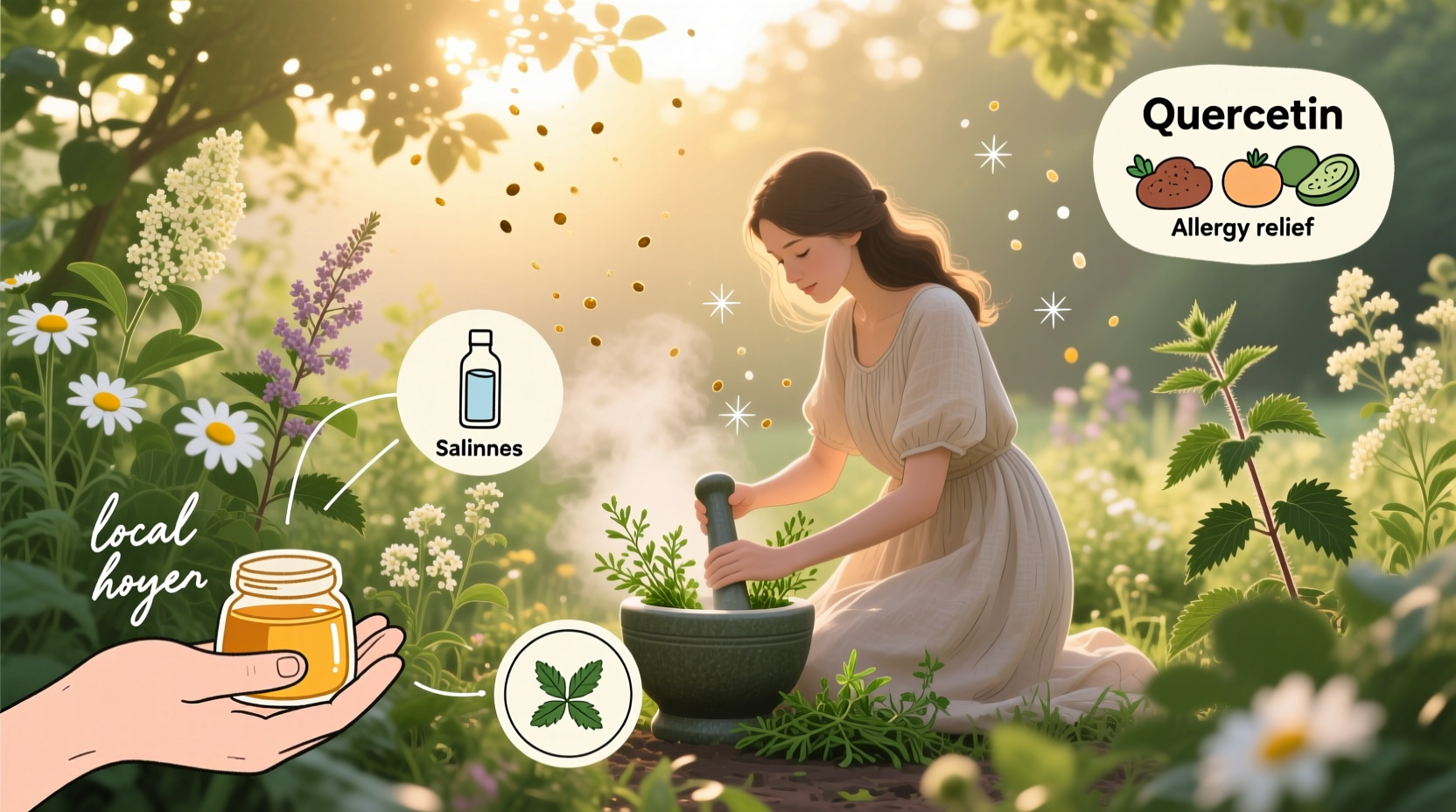
Before applying any remedy, identifying your specific allergens is essential. Common triggers include pollen, dust mites, pet dander, mold, and certain foods. Allergy testing through a healthcare provider or at-home kits can pinpoint what you're reacting to. Once known, minimizing exposure becomes the first line of defense.
For example, if you're sensitive to ragweed pollen, staying indoors during peak hours (10 a.m. to 4 p.m.) in late summer and fall significantly reduces symptom onset. Similarly, using allergen-proof mattress and pillow covers helps limit nighttime exposure to dust mites.
Natural Remedies That Work Fast
Several plant-based and nutritional interventions have demonstrated effectiveness in reducing allergy symptoms within hours or days. These are not quick fixes but functional tools that modulate immune response and reduce histamine release.
- Quercetin: A flavonoid found in apples, onions, and capers, quercetin stabilizes mast cells that release histamine. Studies suggest taking 500 mg twice daily before allergy season may prevent symptom onset.
- Bromelain: Extracted from pineapple stems, this enzyme reduces nasal swelling and improves breathing. Clinical trials show it works synergistically with quercetin for faster relief.
- Butterbur (Petasites hybridus): In double-blind studies, butterbur performed as well as antihistamines for hay fever, with fewer sedative effects. Use only PA-free (pyrrolizidine alkaloid-free) products to ensure safety.
- Sinus irrigation: Using a neti pot with sterile saline solution flushes out allergens and mucus from nasal passages. Many report immediate improvement in congestion and postnasal drip.
“Natural doesn’t always mean safe, but when used correctly, compounds like quercetin and butterbur can be powerful allies in managing seasonal allergies.” — Dr. Lena Torres, Integrative Immunologist
Optimize Your Diet to Reduce Inflammation
Your gut health directly influences immune function. A diet high in processed foods and sugar promotes inflammation, worsening allergic responses. Conversely, anti-inflammatory eating patterns rich in omega-3 fatty acids, antioxidants, and fiber help regulate immune overreactions.
| Foods to Emphasize | Foods to Limit |
|---|---|
| Fatty fish (salmon, mackerel), flaxseeds, walnuts | Processed meats and fried foods |
| Leafy greens, berries, citrus fruits | Refined sugars and baked goods |
| Garlic, turmeric, ginger | Dairy (for some individuals) |
| Fermented foods (kimchi, sauerkraut, kefir) | Alcohol and caffeine |
Incorporating local raw honey into your routine—about one teaspoon daily—may also support tolerance to regional pollens, though scientific consensus remains cautious. Still, anecdotal reports suggest benefits when started months before allergy season.
Step-by-Step: Immediate Action Plan for Acute Symptoms
If you’re already experiencing allergy flare-ups, follow this 24-hour protocol to regain comfort naturally:
- Morning – Flush and Filter: Rinse sinuses with a neti pot using distilled or boiled water. Run a HEPA air purifier in your bedroom and main living area.
- Lunch – Eat Anti-Inflammatory Foods: Choose a meal rich in omega-3s and colorful vegetables. Add a quarter-teaspoon of turmeric to warm water or soup.
- Afternoon – Supplement Strategically: Take 500 mg quercetin with bromelain and drink herbal tea (butterbur or stinging nettle).
- Evening – Create a Clean Sleep Zone: Shower before bed to remove allergens from hair and skin. Change clothes immediately upon entering the house. Keep windows closed.
- Nightly – Support Detox Pathways: Drink lemon water to support liver detoxification and consider magnesium to promote restful sleep, which aids immune regulation.
Real-Life Example: Managing Spring Allergies Without Medication
Sarah, a 34-year-old teacher from Portland, Oregon, suffered severe seasonal allergies every spring. Antihistamines left her drowsy and unable to focus during class. After consulting a naturopathic doctor, she implemented a multi-pronged natural approach two months before pollen season began.
She started taking quercetin and butterbur supplements daily, installed a HEPA filter in her bedroom, and committed to nightly sinus rinses. She replaced dairy with almond milk and increased intake of wild salmon and leafy greens. By the time cedar and alder pollen peaked, Sarah reported only mild symptoms—no sneezing fits or fatigue. “I still check the pollen count,” she says, “but now I feel prepared, not defeated.”
Essential Allergy Relief Checklist
Use this checklist to build a personalized, proactive allergy management plan:
- ✅ Identify your top allergens via testing or symptom tracking
- ✅ Start quercetin and bromelain 4–6 weeks before allergy season
- ✅ Use a neti pot daily during high-exposure periods
- ✅ Install HEPA filters in bedroom and office
- ✅ Wash bedding weekly in hot water (130°F/54°C minimum)
- ✅ Avoid outdoor activity during peak pollen times
- ✅ Eliminate inflammatory foods: sugar, trans fats, excess dairy
- ✅ Incorporate fermented foods to support gut-immune axis
- ✅ Keep windows closed and use AC with clean filters
- ✅ Shower and change clothes after being outside
Frequently Asked Questions
Can drinking more water help with allergy symptoms?
Yes. Staying hydrated thins mucus secretions and supports mucosal immunity. Dehydration can worsen congestion and make symptoms feel more intense. Aim for at least 2 liters of water daily, especially during high-allergen seasons.
Is there a difference between natural remedies and OTC antihistamines?
Yes. Over-the-counter antihistamines block histamine receptors quickly but often cause drowsiness or dry mouth. Natural options like quercetin and butterbur work by stabilizing immune cells to prevent histamine release in the first place. They may take longer to show results but offer fewer side effects and long-term immune support.
How soon should I start natural treatments before allergy season?
Begin preventive measures 4 to 6 weeks prior to expected symptom onset. This allows time for supplements like quercetin to accumulate in tissues and for dietary changes to reduce systemic inflammation.
Take Control of Your Allergy Season
You don’t have to resign yourself to months of sniffles and fatigue. With targeted natural strategies, you can significantly reduce—or even prevent—your allergic reactions. The key lies in preparation, consistency, and understanding your body's unique responses. Whether through dietary shifts, environmental control, or smart supplementation, lasting relief is possible without relying solely on pharmaceuticals.




 浙公网安备
33010002000092号
浙公网安备
33010002000092号 浙B2-20120091-4
Comments
No comments yet. Why don't you start the discussion?