
Cat owners often find themselves startled by sudden bursts of energy—midnight sprints, frantic dashes across the living room, or erratic zoomies around furniture. While this behavior, commonly known as \"cat crazies\" or \"kitten rockets,\" is natural, excessive indoor hyperactivity can signal stress, boredom, or unmet needs. The key to managing it lies not in suppressing instinct but in guiding it through thoughtful environmental design, structured routines, and mental engagement. With the right approach, you can help your cat channel their energy constructively and enjoy a calmer, more balanced household.
Understanding Feline Hyperactivity
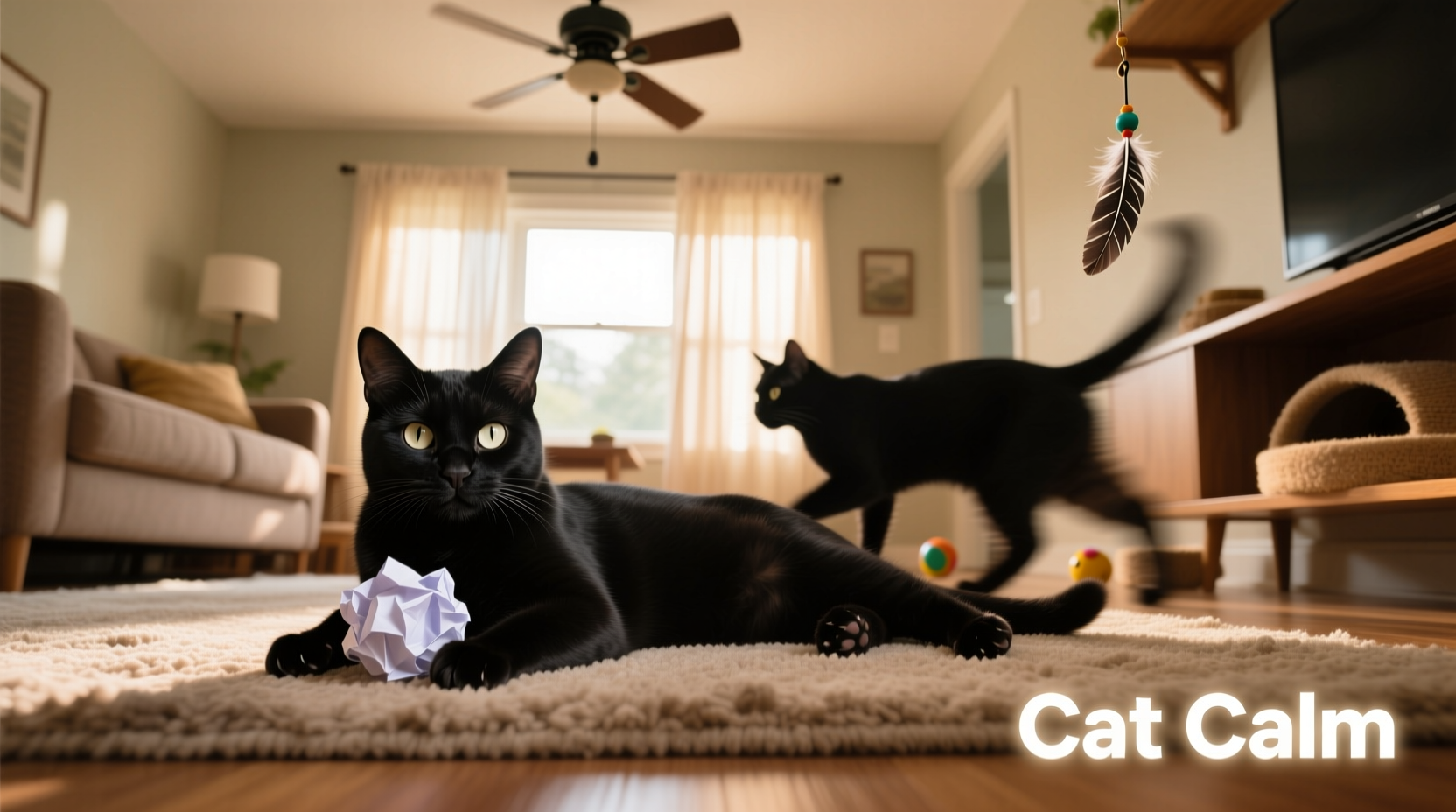
Cats are crepuscular—most active at dawn and dusk—which explains why many exhibit bursts of energy during early morning or late evening hours. Indoor cats, especially those without outdoor access, may accumulate unused energy due to limited hunting opportunities and restricted space. This pent-up energy often manifests as rapid, unpredictable darting.
However, not all hyperactivity is normal. Sudden changes in behavior, such as increased agitation, vocalization, or aggression alongside the zooming, could indicate underlying issues like anxiety, pain, or hyperthyroidism. Always consult a veterinarian if the behavior seems out of character or worsens over time.
Environmental Enrichment for Calm Behavior
A stimulating environment reduces boredom—the primary driver of indoor hyperactivity. Cats thrive on novelty, challenge, and sensory engagement. Without these, they invent their own entertainment, often involving high-speed chases with invisible prey.
- Vertical spaces: Install cat shelves, perches near windows, or sturdy cat trees. Elevation provides security and observation points, reducing stress.
- Hunting simulations: Use puzzle feeders or treat-dispensing toys that mimic the stalk-chase-catch-eat sequence cats naturally crave.
- Sensory variety: Rotate toys weekly, introduce safe scents like silver vine or catnip, and provide textured scratching surfaces.
- Safe window access: A bird feeder outside a window offers hours of passive stimulation and mental engagement.
“Enrichment isn’t optional—it’s essential. A cat’s brain expects challenges. Without them, even healthy cats develop compulsive behaviors.” — Dr. Sarah Ellis, Feline Behavior Scientist, University of Lincoln
Structured Play to Replace Random Zoomies
One of the most effective ways to reduce erratic darting is replacing unstructured energy bursts with scheduled, interactive play. Aim for two 10–15 minute sessions daily—at times when your cat typically becomes hyperactive.
Use wand toys with feathers or fabric strips to simulate prey movement. Mimic the behavior of real animals: start slow (like a bird pecking), increase speed (a fleeing mouse), then allow your cat to “catch” the toy. Finish each session with a small meal or treat to replicate the natural hunt-eat-groom-sleep cycle.
| Play Strategy | Purpose | Frequency |
|---|---|---|
| Wand toy chase | Simulates hunting, burns energy | Daily, ideally before bedtime |
| Laser pointer (with conclusion) | Encourages sprinting; always end with tangible reward | 2–3 times/week |
| Puzzle feeder use | Mental stimulation, slows eating | Daily, during meals |
| Toys with catnip/silver vine | Triggers natural euphoria and relaxation post-play | As needed for mood regulation |
Step-by-Step Guide: Creating a Calming Evening Routine
Many cats become hyperactive at night. Implementing a consistent wind-down routine can significantly reduce disruptive behavior.
- 7:00 PM – Pre-dinner play: Engage in a 10-minute interactive session using a wand toy.
- 7:15 PM – Mealtime: Serve food immediately after play to satisfy the “hunt-eat” instinct.
- 7:30 PM – Quiet time: Dim lights, reduce noise, and avoid stimulating activities.
- 8:00 PM – Environmental cues: Close curtains, turn on a white noise machine, or use a calming diffuser (e.g., Feliway).
- Before bed – Final check: Ensure water, litter box, and resting spots are accessible.
Addressing Anxiety and Overstimulation
Some cats dart not from excess energy but from stress. Common triggers include loud noises, unfamiliar visitors, multi-cat tension, or lack of hiding spaces. An anxious cat may flee suddenly, hide, then re-emerge in a burst of motion.
Identify potential stressors by observing when darting occurs. For example, does it follow doorbell rings? Happen after interactions with another pet? Occur in specific rooms?
Provide safe retreats: covered beds, elevated hideaways, or quiet rooms where your cat can decompress. In multi-cat homes, ensure each cat has its own resources—litter boxes, feeding stations, resting areas—placed in separate zones to prevent competition.
“We resolved our rescue cat’s nighttime sprints by adding two new perches near bedrooms and using a pheromone diffuser. Within two weeks, his activity became predictable and less frantic.” — Lena R., Portland, OR
Checklist: Daily Habits to Reduce Cat Hyperactivity
Consistency is critical. Follow this checklist to support long-term calmness:
- ✅ Two interactive play sessions (morning and evening)
- ✅ Rotate at least three toys weekly to maintain interest
- ✅ Provide vertical space or window perch access
- ✅ Feed using puzzle feeders or scatter food for foraging
- ✅ Maintain a quiet, predictable environment at night
- ✅ Monitor for signs of pain or illness (excessive meowing, hiding, aggression)
- ✅ Use calming aids if needed (Feliway, soft music, designated safe zones)
Frequently Asked Questions
Is it normal for adult cats to have the midnight zoomies?
Occasional bursts are normal, especially in younger adults. However, frequent or intense episodes may indicate insufficient mental or physical stimulation. If your cat is otherwise healthy and happy, occasional zooming is harmless. If it disrupts sleep or leads to injury, intervention is recommended.
Can diet affect my cat’s energy levels?
Yes. Diets high in carbohydrates or low in protein may contribute to erratic energy spikes. Cats are obligate carnivores and perform best on high-protein, low-carb diets. Sudden dietary changes or food sensitivities can also influence behavior. Consult your vet before making adjustments.
Should I punish my cat for darting around the house?
No. Punishment increases fear and anxiety, worsening the issue. Instead, redirect unwanted behavior with positive reinforcement. Reward calm moments with treats or gentle petting. Focus on enriching alternatives rather than suppression.
Conclusion: Building a Balanced Indoor Life
Hyperactive darting in cats is rarely a sign of defiance—it's a signal. Whether driven by boredom, instinct, or stress, the solution lies in empathy and structure. By enriching your cat’s environment, scheduling meaningful play, and supporting emotional well-being, you transform chaotic energy into confident, purposeful behavior. These strategies don’t just reduce zoomies—they deepen your bond and elevate your cat’s quality of life.




 浙公网安备
33010002000092号
浙公网安备
33010002000092号 浙B2-20120091-4
Comments
No comments yet. Why don't you start the discussion?