
Transporting a cat can be one of the most stressful experiences—for both pet and owner. Whether it’s for a vet visit, travel, or relocation, the moment you reach for the crate, many cats bolt, hide, or resist with surprising strength. The key to success isn’t force; it’s preparation, patience, and understanding feline behavior. With the right approach, you can turn crate time from a battle into a calm, cooperative routine.
Understand Why Cats Resist Crates
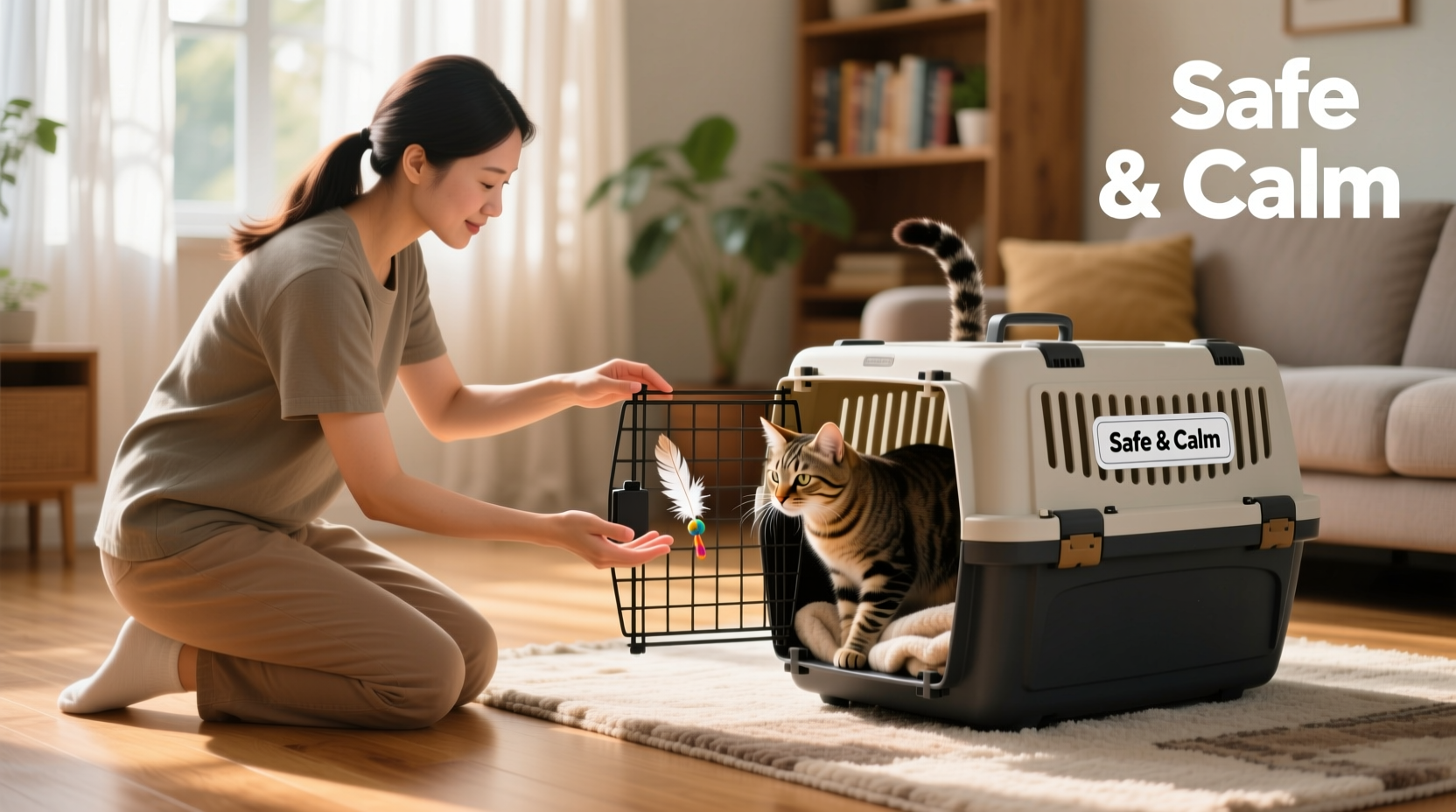
Cats are creatures of habit and control. A carrier represents confinement, unfamiliar motion, and unpredictable environments—all triggers for anxiety. Unlike dogs, who often adapt to crates as den-like spaces, cats typically associate carriers with negative experiences: trips to the vet, loud cars, or being handled by strangers.
This resistance isn’t defiance—it’s fear. When a cat freezes, hisses, or tries to escape, it’s a survival response. Forcing them in only deepens that fear, making future attempts harder. Instead, reframe the crate as a safe zone through gradual, positive conditioning.
“Cats don’t resist crates because they’re stubborn—they resist because they feel unsafe. Our job is to change that association.” — Dr. Sarah Thompson, DVM, Feline Behavior Specialist
Create a Positive Crate Environment
The foundation of successful crate training is making the carrier a familiar, inviting space—long before you need to use it. Start weeks or even months ahead of any planned trip.
Leave the crate open in a quiet corner of your home with the door secured open. Line it with a soft blanket, an old T-shirt with your scent, or a favorite toy. Place treats inside daily—just a few at first—to encourage exploration. Never block the exit; the cat must feel free to come and go.
Feed meals near the crate, then gradually move the food bowl inside. Over time, your cat may begin sleeping in it. This process builds trust and removes the element of surprise when transport day arrives.
Step-by-Step Guide to Getting Your Cat Into the Crate
When the time comes to actually secure your cat in the crate, follow this calm, structured sequence:
- Prepare the environment: Choose a quiet time when your cat is relaxed. Close off escape routes (bedrooms, closets) so your options are limited.
- Warm up the crate: Place treats, toys, or a warmed blanket inside 30 minutes prior to use.
- Call gently: Use a calm voice and call your cat by name. Avoid chasing or grabbing.
- Lure with high-value treats: Use freeze-dried chicken, tuna flakes, or paste on a spoon to guide them toward and into the crate.
- Secure once inside: Once fully in, quietly latch the door. Praise softly but avoid overstimulating.
- Practice short sessions: Let them stay in the closed crate for just 5–10 minutes while offering treats through the bars. Then release.
Repeat this process several times before any real trip. Each session reinforces that the crate isn’t a trap—it’s a place where good things happen.
Alternative Techniques for Resistant Cats
Some cats remain wary despite positive reinforcement. In these cases, consider alternative approaches that reduce physical confrontation.
- Top-entry carriers: These allow you to place a cat in from above, reducing the need to reach into tight spaces. Ideal for fearful or aggressive cats.
- Disassemblable crates: Some models split in half. Place food and bedding in the bottom half, let the cat enter, then attach the top gently.
- Towel method: Gently wrap your cat in a towel (burrito-style) to limit scratching and struggling, then place them in the crate head-first.
- Use a familiar box: If your cat likes a cardboard box, place it inside the crate and let them settle in before closing the door.
| Method | Best For | Success Tip |
|---|---|---|
| Positive Luring | Sociable, treat-motivated cats | Use strong-smelling treats like sardines or cooked liver |
| Towel Wrap | Feisty or anxious cats | Wrap snugly but not tightly; cover the eyes to reduce visual stress |
| Carrier Splitting | Extremely fearful or elderly cats | Let them eat or nap in the base before assembling |
| Top-Loading Carrier | Aggressive or hard-to-handle cats | Approach from behind to avoid direct eye contact |
Mini Case Study: Luna the Escape Artist
Luna, a 4-year-old tortoiseshell, had a history of bolting under the bed at the sight of her carrier. Her owner, Maria, used to spend 20 minutes coaxing, then ended up crawling after her with a net—a traumatic routine for both.
After consulting a veterinary behaviorist, Maria left the carrier open in the living room with a heated pad and Luna’s favorite mouse toy inside. She began feeding Luna’s breakfast in the carrier daily. Within two weeks, Luna was napping in it. When a vet visit came up, Maria simply placed a treat at the back, waited, and gently closed the door once Luna was fully inside. The entire process took less than a minute—and no chasing.
Luna still doesn’t “love” the crate, but she no longer fears it. That shift made all the difference.
Checklist: Preparing Your Cat for Crate Success
Pre-Trip Crate Readiness Checklist:
- ✅ Leave the crate open in a common area for at least 2 weeks
- ✅ Add soft bedding with your scent
- ✅ Feed meals or give treats inside the crate
- ✅ Practice closing the door briefly while offering rewards
- ✅ Take short “mock trips” in the car (drive around the block)
- ✅ Cover the crate with a breathable cloth during transport
- ✅ Bring a familiar-smelling item (e.g., small blanket from home)
Frequently Asked Questions
What if my cat won’t go into the crate no matter what?
If luring fails, try placing the crate in a small room with food, water, and a litter box. Confine your cat there overnight so they acclimate. Often, curiosity wins out. Alternatively, consult your vet—short-term anti-anxiety medication can ease the process for highly stressed cats.
Can I sedate my cat before travel?
Only under veterinary guidance. While sedation can help in extreme cases, it carries risks and may interfere with balance or breathing. Safer alternatives include pheromone sprays (like Feliway) applied to the crate 15–30 minutes before use.
How can I make the car ride less stressful?
Place the crate on a seatbelt-secured blanket to prevent sliding. Cover it with a light cloth to create a den-like feel. Avoid feeding large meals beforehand, but offer water up until departure. Speak softly and play calming music at low volume.
Final Thoughts: Calm Starts with You
Your cat picks up on your energy. Rushing, tensing, or speaking sharply signals danger. Approach crate time with slow movements, a quiet voice, and patience. Even if it takes 30 minutes the first few times, consistency pays off. Over time, your cat will learn that the crate isn’t the beginning of something scary—but part of a predictable, manageable routine.
Every cat can become crate-tolerant, and many can even grow comfortable with it. The goal isn’t perfection; it’s progress. Start today, go slow, and celebrate small victories.




 浙公网安备
33010002000092号
浙公网安备
33010002000092号 浙B2-20120091-4
Comments
No comments yet. Why don't you start the discussion?