
In an age where social media dominates daily routines, stepping away from platforms like Facebook can feel daunting—even impossible. Yet, growing evidence shows that prolonged exposure to curated feeds, algorithmic manipulation, and endless scrolling contributes to anxiety, comparison fatigue, and diminished focus. For many, disengaging isn’t just a break; it’s a necessary step toward reclaiming time, attention, and emotional balance. This guide outlines practical, sustainable methods to fully disconnect from Facebook and maintain that separation long-term.
Why Disconnection Matters
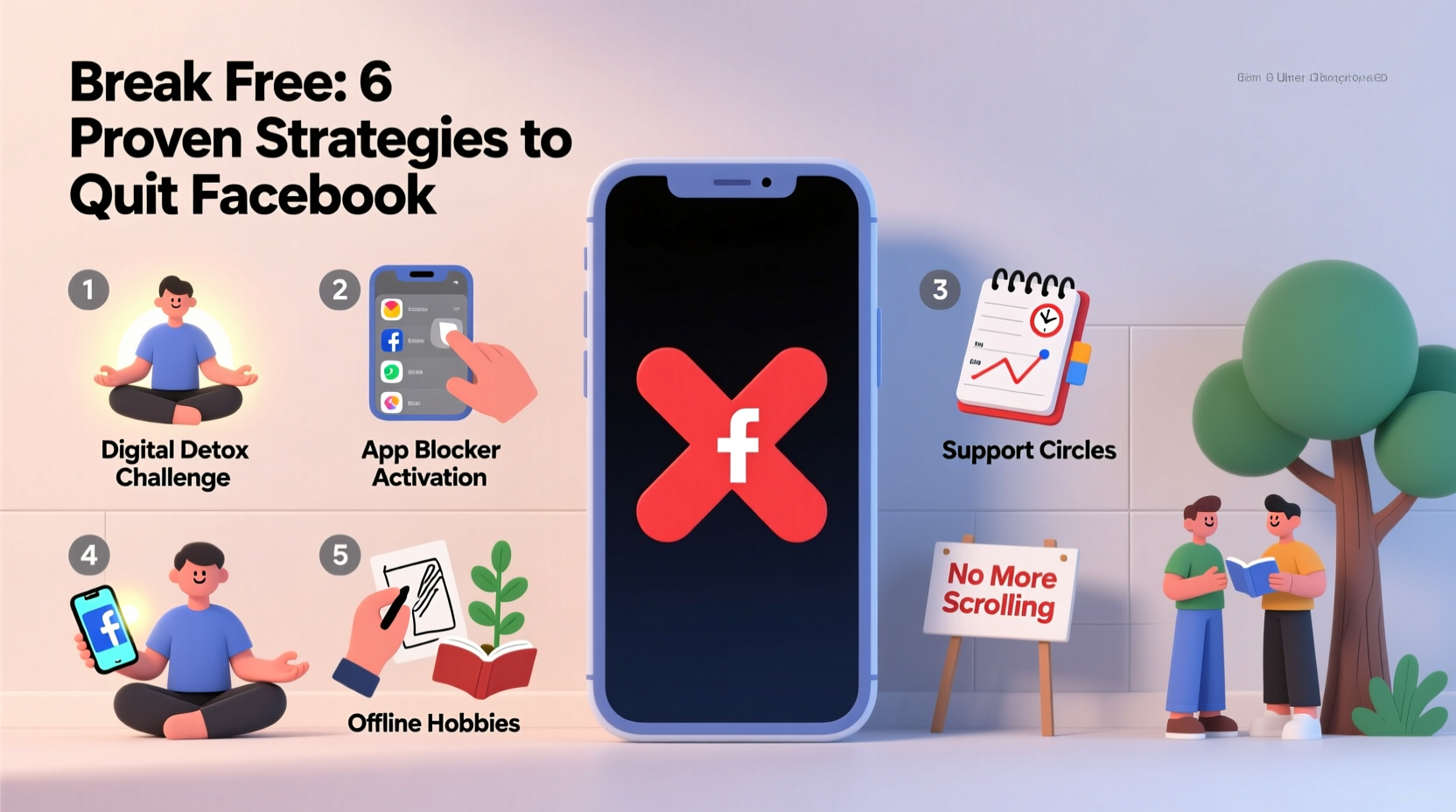
Facebook was designed to keep users engaged. Infinite scroll, personalized content, and notifications exploit psychological triggers that encourage habitual checking. Over time, this creates passive consumption patterns that erode productivity and self-worth. Studies have linked heavy social media use to increased rates of depression, loneliness, and poor sleep quality—especially when usage replaces real-world interaction or meaningful activities.
Disconnecting is not about rejecting technology. It’s about intentional living. By removing Facebook from your digital ecosystem, you create space for deeper relationships, focused work, and personal growth. The goal isn’t punishment—it’s liberation from digital noise.
“Digital minimalism isn’t about giving up technology; it’s about reclaiming autonomy over your attention.” — Cal Newport, Author of *Digital Minimalism*
A Step-by-Step Guide to Leaving Facebook Behind
Quitting Facebook cold turkey may seem ideal, but lasting change often comes through gradual, deliberate steps. Follow this timeline to ensure a smooth transition without relapse.
- Week 1: Audit Your Usage
Track how often you open Facebook and what triggers the behavior (boredom, stress, habit). Use screen time tools or journal entries to gain awareness. - Week 2: Reduce Frequency
Limit access to once per day. Disable push notifications and remove the app from your phone’s home screen. - Week 3: Deactivate Temporarily
Use Facebook’s “deactivation” feature. This pauses your profile without deleting data, allowing a trial period of absence. - Week 4: Replace the Habit
Identify what you’ll do instead during former Facebook moments—reading, walking, calling a friend—and schedule those activities. - Month 2+: Permanent Exit
If deactivation feels liberating, proceed with permanent account deletion. Confirm all downloads of important photos or messages first.
Practical Strategies for Staying Off Facebook
Leaving is one thing. Staying away is another. Here are proven techniques to prevent relapse:
- Remove Access Points: Uninstall the app from all devices. Avoid logging in via browsers by clearing saved passwords.
- Block the Site: Use website blockers like Freedom, Cold Turkey, or StayFocusd to restrict access during certain hours—or entirely.
- Curate Your Feed Before You Go: Unfollow toxic pages, mute political debates, and unfriend accounts that trigger negative emotions. This reduces the platform’s appeal before exit.
- Find Alternative Social Channels: Join private forums, email newsletters, or local groups that foster meaningful connection without algorithmic pressure.
- Set Accountability Rules: Tell a friend or family member about your decision. Regular check-ins increase commitment.
Do’s and Don’ts When Disconnecting from Facebook
| Do | Don’t |
|---|---|
| Download your photo archive and important messages before deletion | Delete your account without backing up memories |
| Inform close friends of your departure to maintain contact offline | Assume everyone will understand your choice immediately |
| Replace Facebook time with creative or physical hobbies | Fill the void with other addictive apps (e.g., TikTok, Instagram) |
| Use the initial discomfort as feedback—not a reason to return | Mistake withdrawal symptoms for failure |
| Reflect weekly on improvements in mood, focus, and time use | Measure success only by immediate comfort |
Real Example: How Sarah Reclaimed Her Time
Sarah, a 34-year-old graphic designer from Portland, spent nearly two hours daily on Facebook—mostly scrolling through old high school friends’ updates and viral news posts. She noticed increasing irritability, difficulty concentrating at work, and a persistent sense of inadequacy when comparing her life to others’ highlights.
After reading about digital detoxing, she began by deactivating her account for 30 days. Initially restless, she replaced browsing with morning sketching and evening walks. By week three, she reported improved sleep and renewed motivation for freelance projects. At the end of the month, she chose permanent deletion. A year later, she maintains contact with friends through monthly calls and a small group email chain. “I didn’t miss Facebook,” she says. “But I did miss my creativity. Now I’ve got both back.”
Essential Checklist for a Clean Break
Before you leave Facebook for good, complete these key actions:
- ✅ Back up all photos, albums, and important messages using Facebook’s download tool
- ✅ Update contact information with close friends and family via text or email
- ✅ Leave or unsubscribe from active groups you no longer need
- ✅ Transfer event reminders to a calendar app if you relied on Facebook Events
- ✅ Deactivate your account temporarily to test the waters
- ✅ After 30 days, evaluate your mental state and decide on permanent deletion
- ✅ Install a website blocker as a safeguard against future logins
Frequently Asked Questions
Can I reactivate my account after deletion?
No. Permanent deletion removes your profile, photos, and comments irreversibly after 30 days. Deactivation, however, allows full reactivation at any time. Always wait at least a month before choosing deletion.
How do I stay in touch with people without Facebook?
Shift communication to more direct channels: phone calls, text messages, email, or encrypted messaging apps like Signal. For group events, consider shared calendars or private WhatsApp groups. Intentional contact often strengthens relationships more than passive scrolling ever did.
What if I feel lonely or out of the loop after leaving?
Initial feelings of isolation are normal. These usually fade within weeks. Focus on building offline connections and consuming high-quality information sources like newsletters, podcasts, or community boards. Loneliness often stems not from lack of input—but from lack of depth. Prioritize substance over volume.
Reclaim Your Attention, Reclaim Your Life
Disconnecting from Facebook isn’t just about deleting an app. It’s a declaration that your time, focus, and emotional energy belong to you. In a world engineered to capture attention, choosing to withdraw is an act of resistance—and self-respect. The silence left behind isn’t emptiness; it’s space for reflection, creation, and presence.
You don’t need to be reachable by everyone. You need to be present for yourself. Start small. Be consistent. Replace the habit with something that truly nourishes you. Whether you deactivate, delete, or simply stop engaging, every moment spent outside Facebook is a step toward a more intentional life.




 浙公网安备
33010002000092号
浙公网安备
33010002000092号 浙B2-20120091-4
Comments
No comments yet. Why don't you start the discussion?