
Pet ownership brings joy, companionship, and warmth—but sometimes, it also brings lingering odors. Whether it’s the unmistakable scent of a wet dog after rain or the pungent aroma of an overlooked litter box, pet smells can embed themselves into carpets, furniture, and even walls. While air fresheners may mask these odors temporarily, true elimination requires a systematic approach rooted in understanding the source, chemistry, and persistence of pet-related smells. The good news: with the right tools and habits, you can reclaim a fresh, odor-free home without sacrificing time with your furry companions.
Understanding the Source of Pet Odors
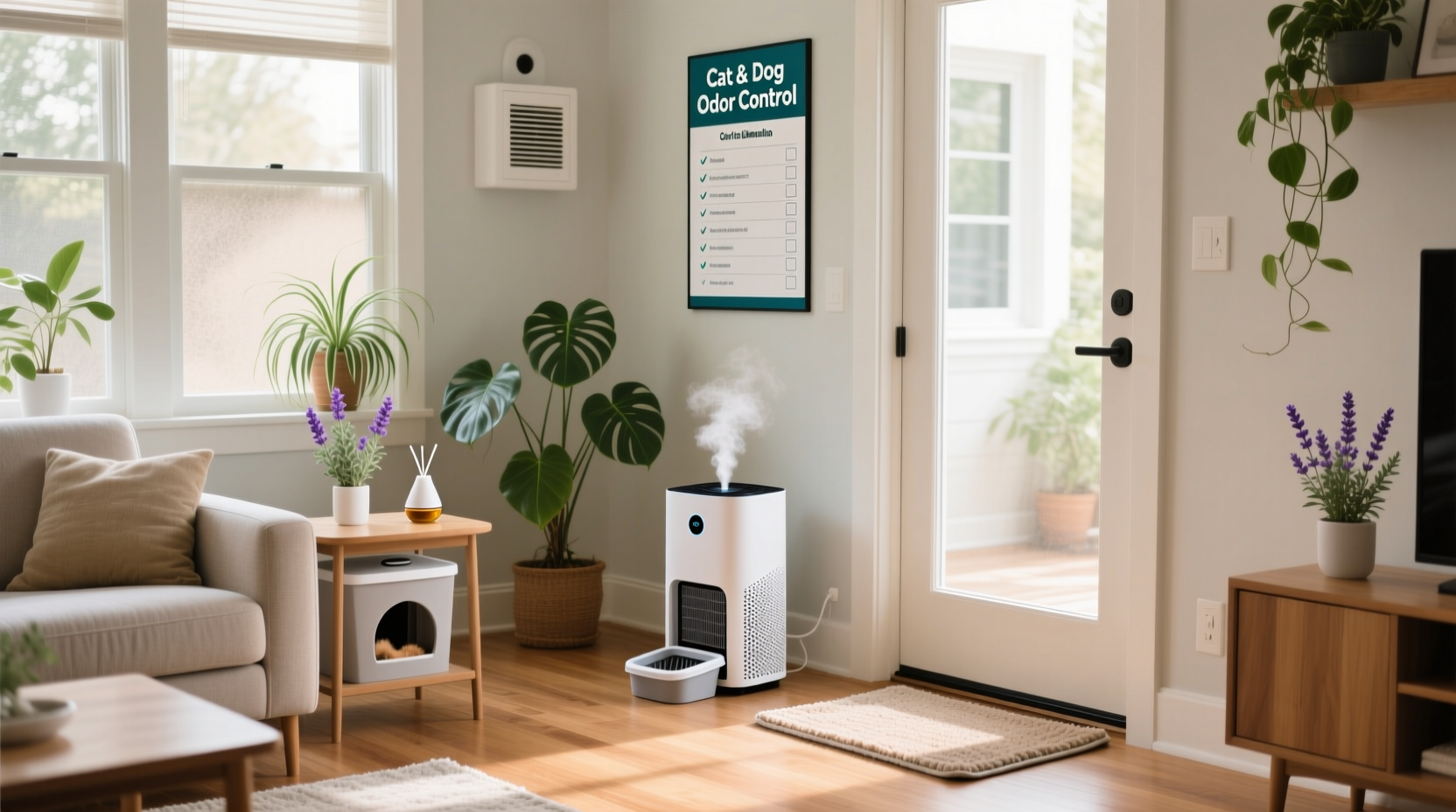
Pet odors aren’t just surface-level nuisances—they originate from biological compounds such as ammonia (from urine), bacteria (in saliva and feces), and sebaceous oils (from skin and fur). These substances penetrate porous materials like upholstery, padding, and hardwood finishes, making them difficult to remove with standard cleaning alone. For example, cat urine contains uric acid crystals that bond tightly to surfaces and reconstitute when exposed to humidity, causing odors to return weeks or even months later.
Dogs contribute their own set of challenges. Their natural body oils, combined with outdoor contaminants like dirt and moisture, create a \"wet dog\" smell caused by microbes breaking down organic matter on damp fur. Additionally, accidents, drool, and tracked-in debris compound the issue, especially in high-traffic areas.
Step-by-Step Guide to Deep Odor Elimination
Eliminating pet odors permanently isn't about quick fixes—it's about process. Follow this six-phase approach for comprehensive results.
- Locate and Isolate: Inspect floors, baseboards, furniture, and hidden spaces. Pay special attention to corners, under furniture, and near pet sleeping areas.
- Remove Surface Contaminants: Vacuum thoroughly using a HEPA-filter vacuum. This captures dander, hair, and microscopic particles that carry odor.
- Treat Biological Stains: Apply enzymatic cleaners directly to urine, vomit, or fecal spots. Enzymes break down odor-causing proteins rather than masking them.
- Clean Soft Furnishings: Launder removable covers, blankets, and pet beds in hot water with oxygen-based detergent. For non-washable items, use steam cleaning with low-moisture extraction.
- Deodorize Air and Surfaces: Use activated charcoal or ozone generators (with caution) in enclosed spaces to neutralize airborne molecules.
- Prevent Reoccurrence: Establish routines for grooming, litter maintenance, and spot-cleaning to stop odors at the source.
The Role of Enzymatic Cleaners
Unlike traditional cleaners that rely on fragrance or bleach, enzymatic formulas contain live cultures that digest organic waste. Products like Nature’s Miracle or Rocco & Roxie utilize enzymes such as protease and amylase to break down urine, feces, and saliva residues at a molecular level. For best results, saturate the affected area, allow dwell time (typically 10–15 minutes), and blot—not scrub—to avoid spreading contaminants deeper into fibers.
“Enzymatic cleaners are the gold standard for pet odor removal because they address the root cause, not just the symptom.” — Dr. Linda Chen, DVM, Veterinary Dermatology Specialist
Do’s and Don’ts of Pet Odor Management
| Do’s | Don’ts |
|---|---|
| Use vinegar-and-water solutions (1:1 ratio) for preliminary odor neutralization on hard surfaces | Avoid ammonia-based cleaners—they mimic urine scent and attract pets back to the same spot |
| Wash pet bedding weekly in hot water with baking soda | Never mix bleach with hydrogen peroxide or vinegar—it creates toxic fumes |
| Vacuum carpets and upholstery twice weekly with a HEPA filter | Don’t rely solely on air fresheners; they only mask odors and may irritate pets’ respiratory systems |
| Trim pet nails regularly to reduce tracking of fecal residue indoors | Avoid steam cleaning on waxed wood floors—moisture can warp the finish and trap odors underneath |
Real-World Example: A Multi-Pet Household Turnaround
Sarah M., a pet owner in Portland, Oregon, lived with two cats and a golden retriever. Despite daily litter scooping and weekly baths, her living room carried a persistent musky odor. After consulting a pet hygiene specialist, she discovered the issue wasn’t the pets themselves—but the subfloor beneath a throw rug where one cat had previously urinated. She removed the rug, treated the hardwood with an enzymatic subfloor penetrant, replaced the padding, and installed a dehumidifier to reduce ambient moisture. Within three weeks, the odor vanished completely. Her key takeaway: “Sometimes the smell isn’t where you think it is. Look deeper—literally.”
Advanced Prevention Strategies
Proactive care reduces the need for intensive cleanups. Integrate these long-term practices into your household routine:
- Groom Regularly: Bathe dogs every 4–6 weeks and brush cats weekly to minimize shedding and oil buildup.
- Maintain Litter Boxes: Scoop daily, change litter weekly, and wash boxes monthly with mild soap and water.
- Invest in Air Purification: Choose HEPA + activated carbon filters to capture both particulates and volatile organic compounds (VOCs).
- Control Humidity: Keep indoor humidity between 30–50% to inhibit bacterial growth and prevent odor reactivation.
- Designate Pet Zones: Use washable mats or rugs in high-use areas to contain messes and simplify cleaning.
Frequently Asked Questions
Can I use baking soda alone to eliminate pet odors?
Baking soda helps absorb surface moisture and mild odors but doesn’t break down organic compounds. It’s effective as a pre-treatment—sprinkle on carpets before vacuuming—but should be paired with enzymatic cleaners for deep-seated smells.
Are ozone generators safe for homes with pets?
Ozone generators can neutralize stubborn odors by oxidizing odor molecules, but they must be used in unoccupied spaces. High ozone levels are harmful to pets and humans. Run the device for 2–4 hours, then ventilate the room thoroughly before re-entry.
Why does the smell come back after cleaning?
Recurring odors usually indicate incomplete treatment. Uric acid crystals in pet urine can remain dormant and reactivate with humidity. Ensure full saturation with enzymatic cleaner and allow proper drying time—sometimes up to 24 hours.
Essential Odor Elimination Checklist
Use this checklist monthly—or immediately after accidents—to maintain a fresh-smelling home:
- ✅ Inspect all pet areas for hidden stains or dampness
- ✅ Vacuum carpets, stairs, and furniture with HEPA filter
- ✅ Spot-clean accidents with enzymatic cleaner (not just soap and water)
- ✅ Wash pet bedding, toys, and blankets in hot water
- ✅ Clean litter boxes thoroughly and replace litter
- ✅ Wipe down hard floors with vinegar solution or pet-safe disinfectant
- ✅ Replace HVAC filters and check air purifiers
- ✅ Groom pets to reduce shedding and odor-trapping debris
Final Thoughts: A Fresh Home Is Within Reach
Eliminating pet odors doesn’t mean choosing between cleanliness and companionship. With targeted strategies, consistent maintenance, and the right products, you can enjoy a home that feels—and smells—fresh, clean, and welcoming, no matter how many paws walk through it. The key lies in addressing the biological roots of odor, not just covering them up. Start today: inspect one trouble spot, apply an enzymatic cleaner, and experience the difference real elimination makes. Your nose—and your pets—will thank you.




 浙公网安备
33010002000092号
浙公网安备
33010002000092号 浙B2-20120091-4
Comments
No comments yet. Why don't you start the discussion?