
Fleas are more than just a nuisance—they pose real health risks to pets and humans alike. These tiny parasites can jump from pet to furniture, carpet, and bedding in seconds, laying hundreds of eggs that hatch into a persistent infestation. Treating fleas requires more than just medicating your pet; it demands a coordinated attack on all life stages within your living environment. The key is not only effectiveness but safety—especially when children and sensitive animals are present. This guide outlines science-backed, practical methods to break the flea life cycle and reclaim a clean, comfortable home.
Understanding the Flea Life Cycle
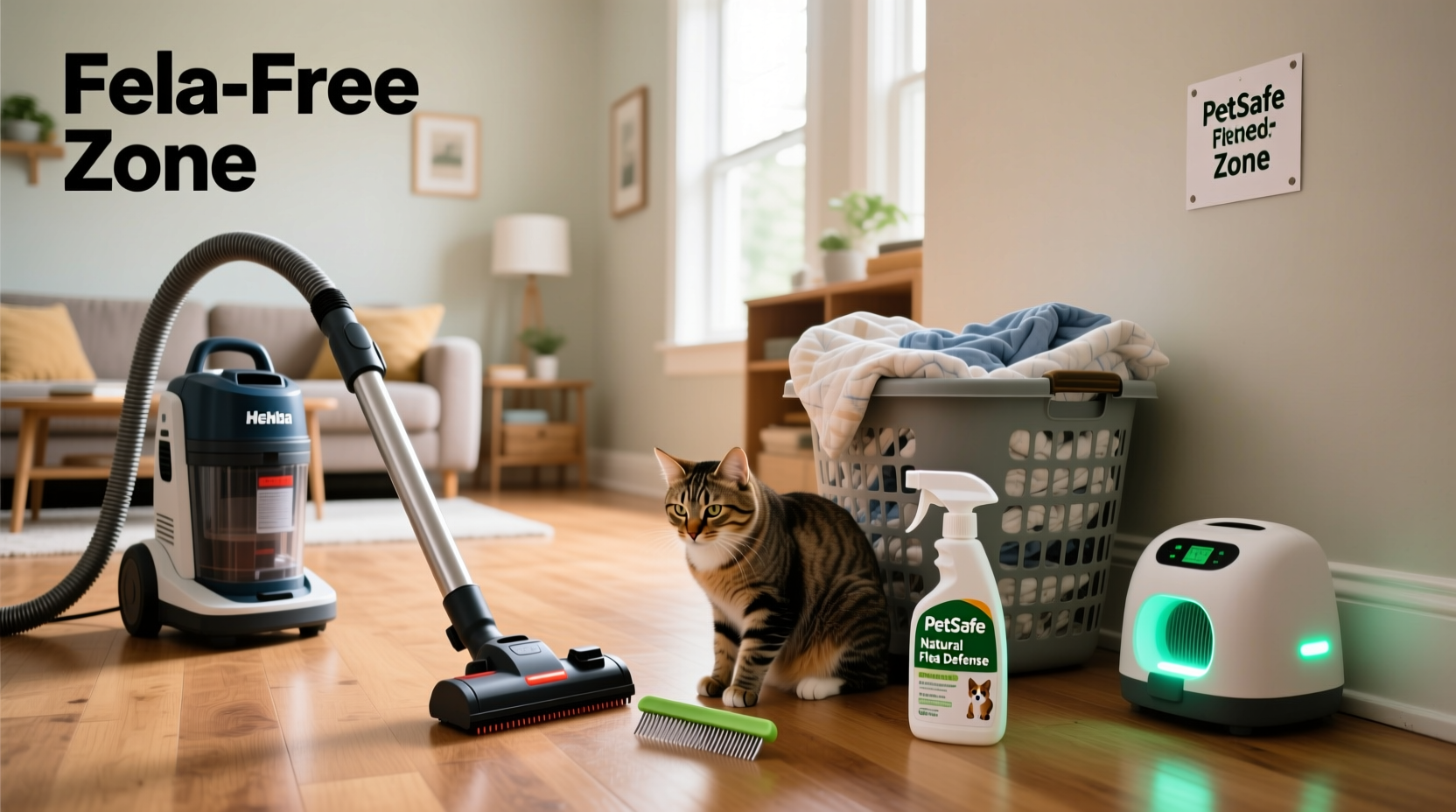
To defeat fleas, you must first understand them. Fleas progress through four stages: egg, larva, pupa, and adult. Adult fleas make up only about 5% of an infestation—the rest are hidden as eggs, larvae, and pupae in carpets, baseboards, and upholstery. Eggs fall off pets and hatch in 2–12 days. Larvae feed on organic debris and avoid light, burrowing deep into fibers. After several molts, they spin cocoons and enter the pupal stage, which can remain dormant for months, resisting most treatments.
This resilience means that spot-on treatments for pets alone won’t solve the problem. A successful strategy must target every stage across both animal hosts and indoor environments. Skipping one phase allows reinfestation, even after weeks of effort.
Step-by-Step Guide to Eradicating Fleas
Eliminating fleas is not a one-time task but a multi-week process. Follow this timeline to ensure complete control:
- Day 1–3: Deep Clean & Isolate
Vacuum all carpets, rugs, furniture, and baseboards. Pay special attention to pet bedding, under furniture, and along walls. Immediately dispose of the vacuum bag or empty the canister into a sealed plastic bag and place it outside. - Day 2: Treat Pets with Veterinary-Approved Products
Apply topical preventatives (e.g., fipronil, selamectin) or oral medications (e.g., nitenpyram, spinosad). Never use dog-specific products on cats—they can be toxic. - Day 3: Treat the Home Environment
Use a low-toxicity indoor spray containing insect growth regulators (IGRs) like methoprene or pyriproxyfen. These prevent eggs and larvae from maturing. Avoid broad-spectrum pesticides unless absolutely necessary. - Day 7: Wash All Linens
Wash pet bedding, throw blankets, and floor mats in hot water (at least 130°F) and dry on high heat for 30 minutes to kill all life stages. - Week 2–4: Repeat Vacuuming & Monitor
Vacuum every other day. Use a flea trap—a lamp over a dish of soapy water—to catch emerging adults. Continue pet treatments as directed. - Week 6: Final Inspection
If no fleas are seen after two weeks, maintain weekly vacuuming and monthly preventive treatments on pets.
Safe and Natural Treatment Options
Many homeowners prefer non-chemical solutions, especially with young children or asthmatic family members. While natural methods may take longer, they can be highly effective when used consistently.
- Food-grade diatomaceous earth (DE): Sprinkle lightly on carpets and let sit for 12–24 hours before vacuuming. DE dehydrates fleas by damaging their exoskeletons. Ensure it’s food-grade and avoid inhalation.
- Steam cleaning: High temperatures (above 170°F) kill fleas at all life stages. Ideal for carpets, upholstery, and tile grout.
- Washing with vinegar: Add one cup of white vinegar to the rinse cycle when washing pet bedding. It alters pH slightly, making surfaces less hospitable to eggs.
- Essential oil sprays (use with caution): Diluted cedarwood, lemongrass, or eucalyptus oils may repel fleas. However, many essential oils are toxic to cats—never apply directly or diffuse near them.
“Integrated pest management—combining mechanical removal, biological controls, and selective chemical use—is the most sustainable way to eliminate fleas.” — Dr. Laura Bennett, DVM, Parasitology Specialist
Do’s and Don’ts of Flea Control
| Do’s | Don’ts |
|---|---|
| Use veterinarian-recommended flea preventatives year-round | Use over-the-counter “natural” flea collars without research—they often lack efficacy |
| Vacuum thoroughly and frequently during infestations | Mix different flea treatments without consulting a vet—risk of toxicity |
| Wash all pet bedding in hot water weekly | Rely solely on foggers—they don’t penetrate carpets where most larvae live |
| Seal cracks and reduce humidity to make your home less hospitable | Ignore signs of flea allergy dermatitis in pets—excessive scratching needs prompt care |
Real-World Example: The Thompson Family Infestation
The Thompsons adopted a rescue cat named Luna, unaware she carried fleas. Within two weeks, their toddler developed small red bites on his legs, and their golden retriever began scratching constantly. They started by bathing Luna with a mild flea shampoo and applying a vet-prescribed topical. Next, they steam-cleaned their living room rug, washed all bedding, and applied a methoprene-based spray to baseboards. For two weeks, they vacuumed daily and set up a DIY flea trap using a desk lamp and soapy water bowl. By day 21, no new fleas were found. They now use monthly preventatives and vacuum weekly as a precaution.
Checklist: Complete Flea Elimination Plan
- ✅ Treat all pets with vet-approved flea medication
- ✅ Vacuum all floors, furniture, and car interiors daily for at least 14 days
- ✅ Wash or replace pet bedding in hot water weekly
- ✅ Apply an indoor flea spray with an insect growth regulator (IGR)
- ✅ Use flea traps to detect and capture adult fleas
- ✅ Seal gaps in flooring and reduce indoor humidity below 50%
- ✅ Schedule follow-up pet checkups to rule out secondary infections
- ✅ Maintain monthly flea prevention even after eradication
Frequently Asked Questions
Can fleas live on humans?
Fleas prefer animal hosts but will bite humans if necessary. Cat and dog fleas (Ctenocephalides felis) are the most common culprits. While they don’t typically infest human hair or skin, repeated bites can cause allergic reactions and discomfort, especially around ankles and lower legs.
How long does it take to get rid of fleas completely?
A full elimination process usually takes 6–8 weeks due to the flea life cycle. Pupae can remain dormant for up to 5 months, so consistent treatment and monitoring are essential. Most homes see significant improvement within 3 weeks with aggressive action.
Are natural remedies enough to kill a serious infestation?
Natural methods like diatomaceous earth or steam cleaning can support flea control but rarely suffice alone for heavy infestations. They work best in combination with veterinary treatments and environmental management. For severe cases, professional-grade IGRs offer the most reliable results.
Conclusion: Take Action Before Fleas Take Over
Eliminating fleas isn’t just about comfort—it’s about protecting your pets’ health and maintaining a hygienic home. Flea bites can lead to anemia in small animals, transmit tapeworms, and trigger severe allergic reactions. The most effective approach combines pet treatment, thorough cleaning, and targeted environmental control. By understanding the flea life cycle and acting decisively, you can break the chain of reinfestation for good.




 浙公网安备
33010002000092号
浙公网安备
33010002000092号 浙B2-20120091-4
Comments
No comments yet. Why don't you start the discussion?