
Dog ownership brings joy, companionship, and unconditional love—but it can also introduce persistent odors into your home. Whether your dog has rolled in something unsavory, tracked in moisture, or simply carries natural scent, managing these smells is essential for a comfortable environment. The good news: with the right approach, dog-related odors don’t have to be permanent. By combining preventive habits, targeted cleaning techniques, and smart household management, you can reclaim a fresh, inviting atmosphere without sacrificing time with your furry friend.
Understand the Sources of Dog Odor
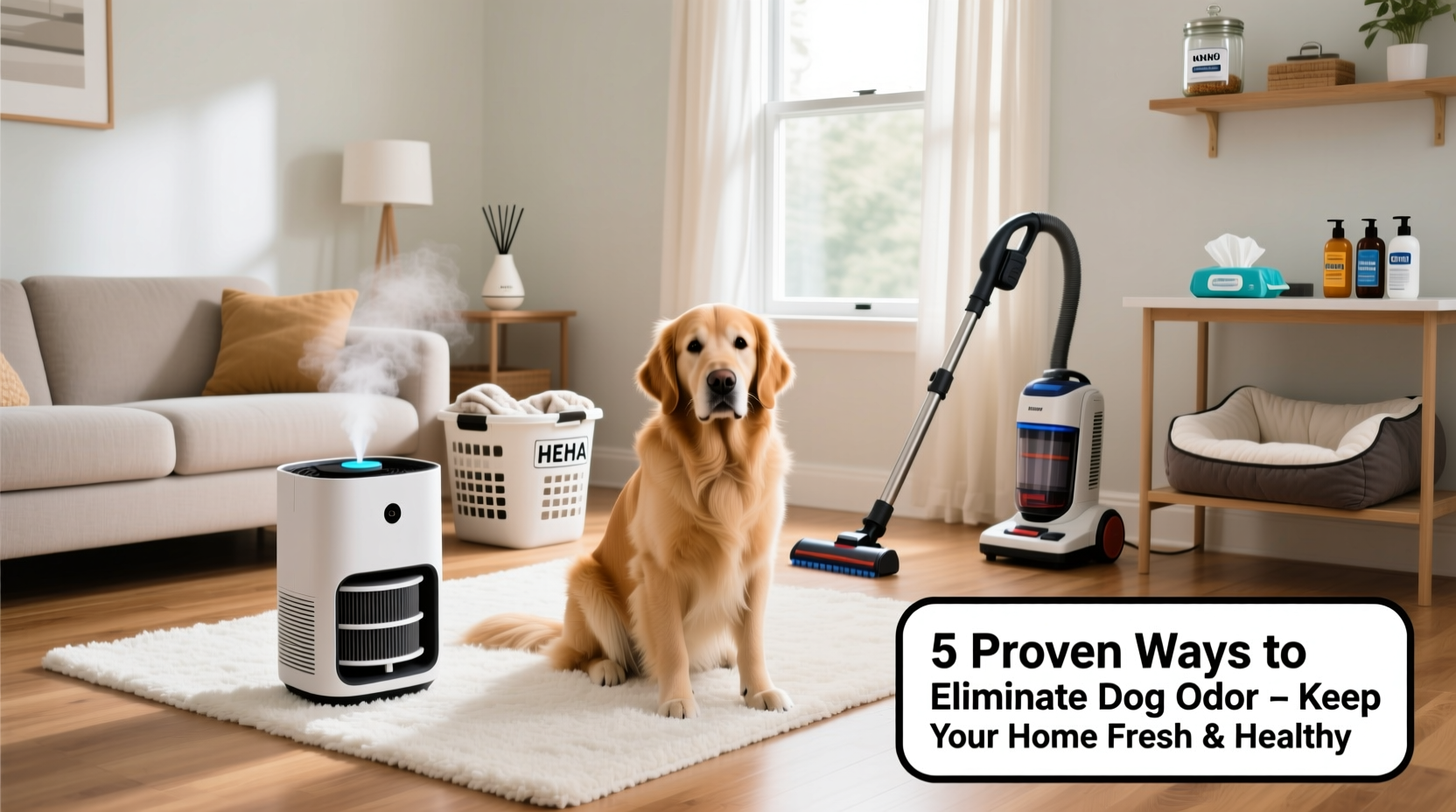
Dog odors rarely come from just one source. They are often the result of a combination of factors including skin oils, saliva, urine, feces, damp fur, and bacteria buildup on surfaces. Dogs naturally produce sebum—an oily substance secreted by their skin—which accumulates on furniture, carpets, and bedding. Wet dogs emit that distinct \"wet dog\" smell due to microbes like *bacteria* and *yeast* thriving in moist fur. Additionally, accidents, especially if not cleaned thoroughly, leave behind lingering ammonia-based odors that embed deep into flooring and sub-layers.
Ignoring the root cause leads to temporary fixes. For example, spraying air freshener over a soiled carpet only masks the issue while allowing bacteria to multiply beneath the surface. True odor elimination requires identifying and addressing each contributing factor systematically.
Step-by-Step Guide to Deep Cleaning High-Impact Areas
To effectively remove dog odor, focus on zones most affected by your pet’s daily activity. Follow this timeline-based cleaning process for maximum results:
- Day 1: Remove Loose Contaminants
Clean all accessible areas using a high-suction vacuum with a HEPA filter. Pay special attention to rugs, upholstery, pet beds, and floor crevices. This removes hair, dander, and surface-level debris that trap odors. - Day 2: Treat Stains and Soiled Spots
Use an enzymatic cleaner on any known accident sites or stained fabrics. Enzyme-based formulas break down organic compounds (urine, feces, saliva) at a molecular level, eliminating odor sources rather than covering them up. - Day 3: Wash Pet-Related Fabrics
Wash dog beds, blankets, toys, and throw pillows in hot water with odor-neutralizing detergent. Add a cup of white vinegar to the rinse cycle to dissolve residue and soften fabrics naturally. - Day 4: Deodorize Carpets and Upholstery
Sprinkle baking soda liberally over carpets and let sit for at least 2 hours (overnight is best). Vacuum thoroughly afterward. For upholstery, use a fabric-safe deodorizing spray containing activated charcoal or plant-based enzymes. - Day 5: Refresh Air Quality
Open windows for cross-ventilation. Run air purifiers equipped with HEPA and carbon filters to capture airborne particles and neutralize volatile organic compounds (VOCs) responsible for lingering smells.
“Enzymatic cleaners are the gold standard for pet odor removal because they digest the proteins and fats that cause smells. Traditional cleaners may sanitize but won’t stop reoccurring odors.” — Dr. Lena Patel, Veterinary Dermatology Consultant
Do’s and Don’ts When Managing Dog Odors
| Do | Don’t |
|---|---|
| Use enzyme-based cleaners for biological stains | Use ammonia-based cleaners—they mimic urine scent and attract dogs back to the same spot |
| Bathe your dog every 4–6 weeks with a pH-balanced shampoo | Over-bathe your dog, which strips natural oils and increases sebum production |
| Wipe your dog’s paws after walks with pet-safe wipes | Allow wet dogs to lounge on furniture immediately after being outside |
| Rotate and air out pet beds weekly | Ignore hidden areas like underneath couch cushions or behind pet gates |
| Invest in washable, odor-resistant furniture covers | Rely solely on air fresheners or scented candles |
Real Example: How One Family Eliminated Lingering Basement Smell
The Thompson family adopted a rescue Labrador who loved rainy walks. Over time, their basement playroom developed a persistent musty-dog smell despite regular vacuuming and airing out. They tried masking sprays and even replaced the carpet once, only for the odor to return within weeks.
After consulting a pet hygiene specialist, they discovered the real culprit: the dog’s favorite chew toys had been stored in a plastic bin that trapped moisture, creating a breeding ground for mold and bacteria. The carpet padding beneath the rug was also retaining dampness from frequent muddy paws.
They took action: discarded old toys, replaced the padding, applied an enzymatic treatment to the subfloor, installed a small dehumidifier, and began wiping the dog down with microfiber towels before letting him downstairs. Within two weeks, the basement smelled completely neutral. Their success came not from one fix, but from addressing multiple overlooked contributors.
Essential Checklist for Ongoing Odor Prevention
- ✅ Vacuum floors and furniture at least twice a week
- ✅ Wash dog bedding every 7–10 days
- ✅ Wipe dog’s paws and coat after outdoor activity
- ✅ Groom your dog regularly (brushing reduces shedding and oil buildup)
- ✅ Clean litter boxes or potty pads daily (for indoor-trained dogs)
- ✅ Use an air purifier in main living areas
- ✅ Inspect and clean under furniture monthly
- ✅ Store dog toys in ventilated containers and sanitize weekly
Frequently Asked Questions
Can I use vinegar to clean dog-smelling carpets?
Yes, diluted white vinegar (equal parts water and vinegar) is safe for most carpets and effective at neutralizing alkaline odors like pet urine. Test in an inconspicuous area first. After application, blot dry and follow with a baking soda sprinkle before vacuuming to eliminate any residual vinegar scent.
How often should I bathe my dog to prevent house odors?
Most dogs only need a bath every 4 to 6 weeks. Over-bathing can dry out their skin, prompting increased oil production that worsens odor. Between baths, use no-rinse foam shampoos or grooming wipes designed for pets to keep them fresh without irritation.
Are air purifiers really effective against pet smells?
High-efficiency models with true HEPA and activated carbon filters significantly reduce airborne pet dander, allergens, and odor molecules. Look for units rated for the square footage of your room and replace filters as recommended. While not a standalone solution, they’re a powerful component of long-term odor control.
Maintain a Fresh Home Without Compromising Pet Comfort
Eliminating dog odor isn’t about making your home sterile or unwelcoming to your pet—it’s about balance. With consistent care, strategic cleaning, and awareness of how odors form, you can enjoy a clean, pleasant-smelling space where both you and your dog thrive. The key lies in proactive maintenance rather than reactive fixes. Simple habits like wiping paws, rotating bedding, and using enzyme-based products make a lasting difference over time.




 浙公网安备
33010002000092号
浙公网安备
33010002000092号 浙B2-20120091-4
Comments
No comments yet. Why don't you start the discussion?