
Allergies affect over 50 million Americans annually, with severe cases disrupting sleep, work, and daily life. While many treat symptoms temporarily with antihistamines or nasal sprays, true relief comes from addressing root causes and implementing long-term strategies. The goal isn’t just symptom suppression—it’s sustainable control. By combining medical treatments, environmental adjustments, dietary awareness, and immune modulation, it’s possible to reduce allergic responses significantly and, in some cases, retrain the body’s overreaction. This guide outlines actionable, evidence-based methods to help you move beyond quick fixes and toward lasting allergy relief.
Understand Your Triggers: The Foundation of Relief
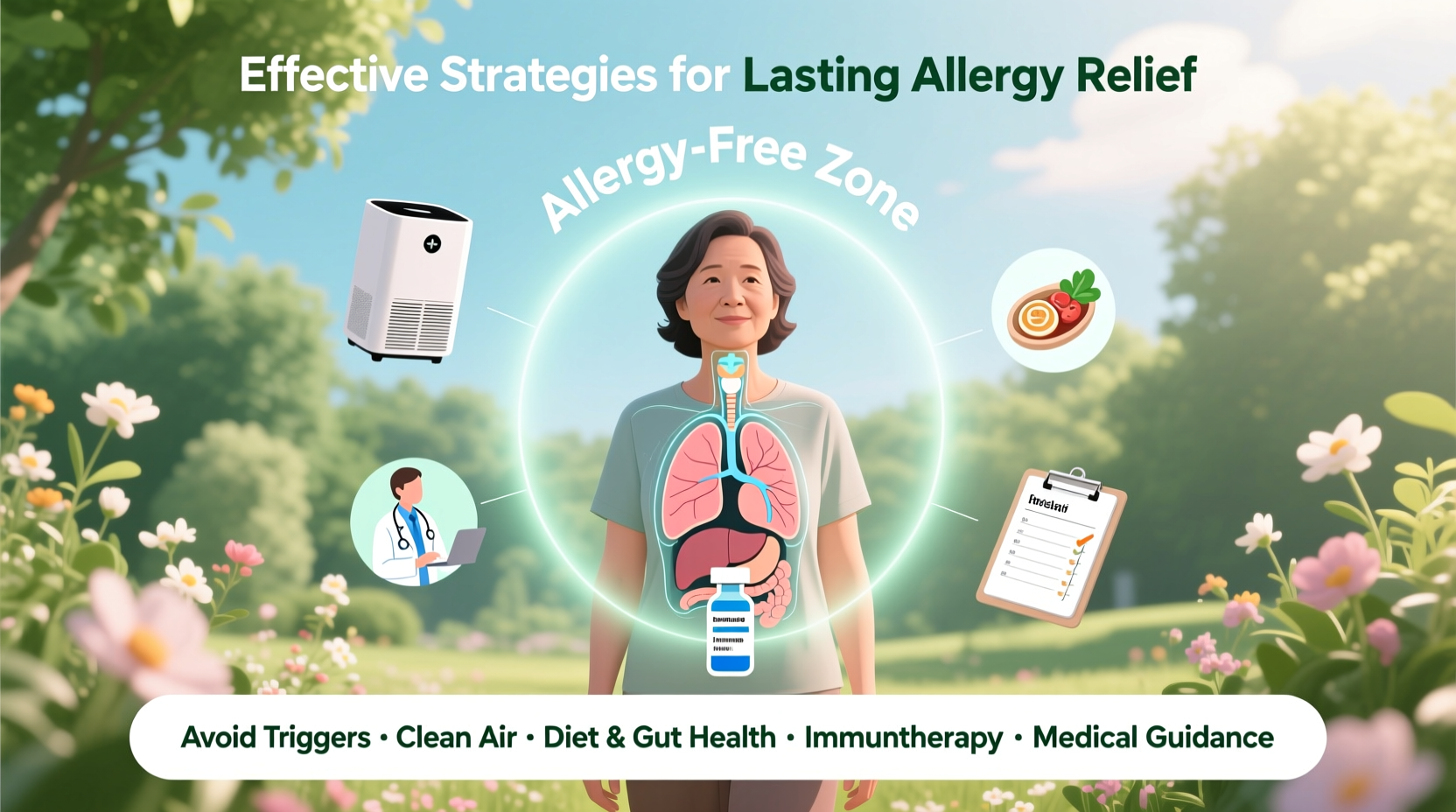
The first step in overcoming severe allergies is identifying exactly what you're reacting to. Allergens vary widely—pollen, dust mites, mold, pet dander, certain foods, and even insect stings can provoke intense immune responses. Without knowing your specific triggers, efforts to manage symptoms are often ineffective.
Skin prick tests and blood tests (like IgE-specific assays) administered by an allergist provide precise data on sensitivities. Once confirmed, you can begin targeted avoidance. For example, someone allergic to ragweed pollen should monitor local pollen counts and limit outdoor exposure during peak season (late summer to early fall).
Medical Treatments That Deliver Long-Term Results
While over-the-counter medications offer temporary relief, long-term management requires more advanced approaches. These include prescription therapies and immunomodulatory treatments designed to change how your immune system responds over time.
- Nasal corticosteroids: Reduce inflammation in airways and are most effective when used consistently, not just during flare-ups.
- Leukotriene inhibitors (e.g., montelukast): Block chemicals that cause bronchoconstriction and mucus production, especially helpful for asthma-related allergies.
- Biologics: Newer injectable drugs like omalizumab target IgE antibodies directly, reducing systemic allergic response in severe cases.
“Immunotherapy isn't a cure, but it can fundamentally alter the course of allergic disease.” — Dr. Linda Chen, Rhinology Specialist, Mayo Clinic
Immunotherapy: Retraining Your Immune System
Allergy shots (subcutaneous immunotherapy) and sublingual tablets (SLIT) expose the body to gradually increasing doses of allergens, teaching the immune system to tolerate them. Studies show up to 80% of patients experience significant improvement after three to five years of treatment.
Sublingual options are now available for grass, ragweed, and dust mite allergies, offering a home-based alternative to weekly clinic visits. Though not suitable for everyone, they represent one of the closest things modern medicine has to a “reset” for allergic sensitivity.
Environmental Control: Creating an Allergy-Safe Zone
Since you spend roughly one-third of your life indoors, controlling your immediate environment is critical. A bedroom optimized for low allergen exposure can dramatically improve sleep quality and daytime energy.
| Area | Recommended Action | Avoid |
|---|---|---|
| Bedding | Use hypoallergenic encasements on mattress and pillows | Fuzzy blankets or feather-filled bedding |
| Air Quality | Run HEPA air purifier continuously | Ionizers (can release ozone) |
| Cleaning | Damp mop floors weekly; vacuum with HEPA filter | Dry dusting (spreads particles) |
| Pets | Bathe pets weekly; keep out of bedrooms | Allowing pets on upholstered furniture |
Diet and Gut Health: The Hidden Link to Allergies
Emerging research shows a strong connection between gut microbiota and immune regulation. An imbalanced gut flora may predispose individuals to overreact to allergens. Probiotics, particularly strains like Lactobacillus rhamnosus and Bifidobacterium lactis, have shown promise in reducing allergic rhinitis symptoms in clinical trials.
Foods rich in polyphenols and omega-3 fatty acids—such as flaxseeds, walnuts, berries, and leafy greens—also support anti-inflammatory pathways. Conversely, processed foods high in trans fats and sugar can worsen systemic inflammation, amplifying allergic responses.
“The gut is the command center for immune tolerance. What you eat shapes how your body reacts to the world.” — Dr. Emeran Mayer, UCLA Center for Neurobiology of Stress
Step-by-Step Guide to Building an Allergy-Resilient Lifestyle
- Week 1–2: Schedule an allergist visit and get tested. Begin symptom journaling.
- Week 3–4: Implement bedroom modifications—install HEPA filter, encase bedding, remove carpets if feasible.
- Month 2: Start daily nasal steroid spray (if prescribed); introduce probiotics and anti-inflammatory foods.
- Month 3: Evaluate progress with your doctor. Discuss starting immunotherapy if appropriate.
- Months 4–12: Maintain routines, track symptom reduction, and adjust based on seasonal changes.
Real-Life Example: From Constant Sneezing to Seasonal Freedom
Sarah, a 34-year-old teacher from Portland, suffered debilitating spring allergies for over a decade. Every March through May, she relied on multiple medications, missed work, and struggled to breathe at night. After testing revealed severe sensitivity to alder and birch pollen, she began a structured plan: using a HEPA purifier in her bedroom, starting daily nasal steroids, and enrolling in sublingual immunotherapy.
By the third year of treatment, her symptoms decreased by 80%. She no longer needed emergency antihistamines and could enjoy hiking again—a lifelong passion she’d abandoned due to allergies. Her case illustrates that while results take time, consistent effort leads to transformation.
Common Mistakes That Undermine Allergy Relief
- Waiting until symptoms appear to start medication—preventive use is far more effective.
- Over-relying on decongestant sprays, which can cause rebound congestion after prolonged use.
- Ignoring indoor humidity levels—keeping it above 50% encourages mold and dust mites.
- Assuming children will “outgrow” severe allergies without professional monitoring.
FAQ: Key Questions About Severe Allergy Management
Can allergies ever be completely cured?
True cures are rare, but long-term remission is achievable. Immunotherapy can induce sustained unresponsiveness, where symptoms remain low even after stopping treatment. Some children outgrow food allergies, especially to milk and eggs, but adult-onset allergies tend to persist without intervention.
Are natural remedies effective for severe allergies?
Some, like saline nasal irrigation and butterbur extract, show modest benefit in studies. However, they should never replace prescribed treatments in severe cases. Always consult your doctor before using supplements, as some (like echinacea) may worsen immune reactivity.
How do I know if my allergies are severe enough to require specialist care?
If OTC meds don’t control symptoms, if allergies interfere with sleep or daily function, or if you experience asthma-like symptoms (wheezing, chest tightness), it’s time to see an allergist. Early specialist involvement improves long-term outcomes.
Checklist for Lasting Allergy Relief
- ✔ Get formal allergy testing from a board-certified allergist
- ✔ Install HEPA air purifier in main living and sleeping areas
- ✔ Use allergen-proof covers on mattress and pillows
- ✔ Begin preventive medication regimen before peak season
- ✔ Explore immunotherapy options with your provider
- ✔ Improve diet with anti-inflammatory foods and probiotics
- ✔ Monitor indoor humidity (ideal: 30–50%)
- ✔ Keep a symptom and trigger journal for 30 days
Take Control Starting Today
Lasting relief from severe allergies isn’t about finding a single magic solution—it’s about building a comprehensive strategy tailored to your biology and environment. From precise diagnosis to immune retraining and daily habits, each step compounds toward better breathing, clearer thinking, and greater freedom. Don’t settle for seasonal suffering. With informed action and medical partnership, you can transform your relationship with allergens and reclaim your quality of life.




 浙公网安备
33010002000092号
浙公网安备
33010002000092号 浙B2-20120091-4
Comments
No comments yet. Why don't you start the discussion?