
Waking up early isn’t just about discipline—it’s about designing a lifestyle that supports consistent energy, focus, and momentum from the moment your eyes open. Many high achievers, from CEOs to elite athletes, credit their success to structured morning routines that begin well before sunrise. But for most people, getting out of bed early feels like an uphill battle. The truth is, sustainable change comes not from willpower alone, but from intentional habits, environmental design, and biological alignment. By understanding how sleep cycles, light exposure, and pre-sleep behaviors influence wakefulness, you can reprogram your mornings to become a source of clarity and control.
Align Your Sleep Schedule with Your Circadian Rhythm
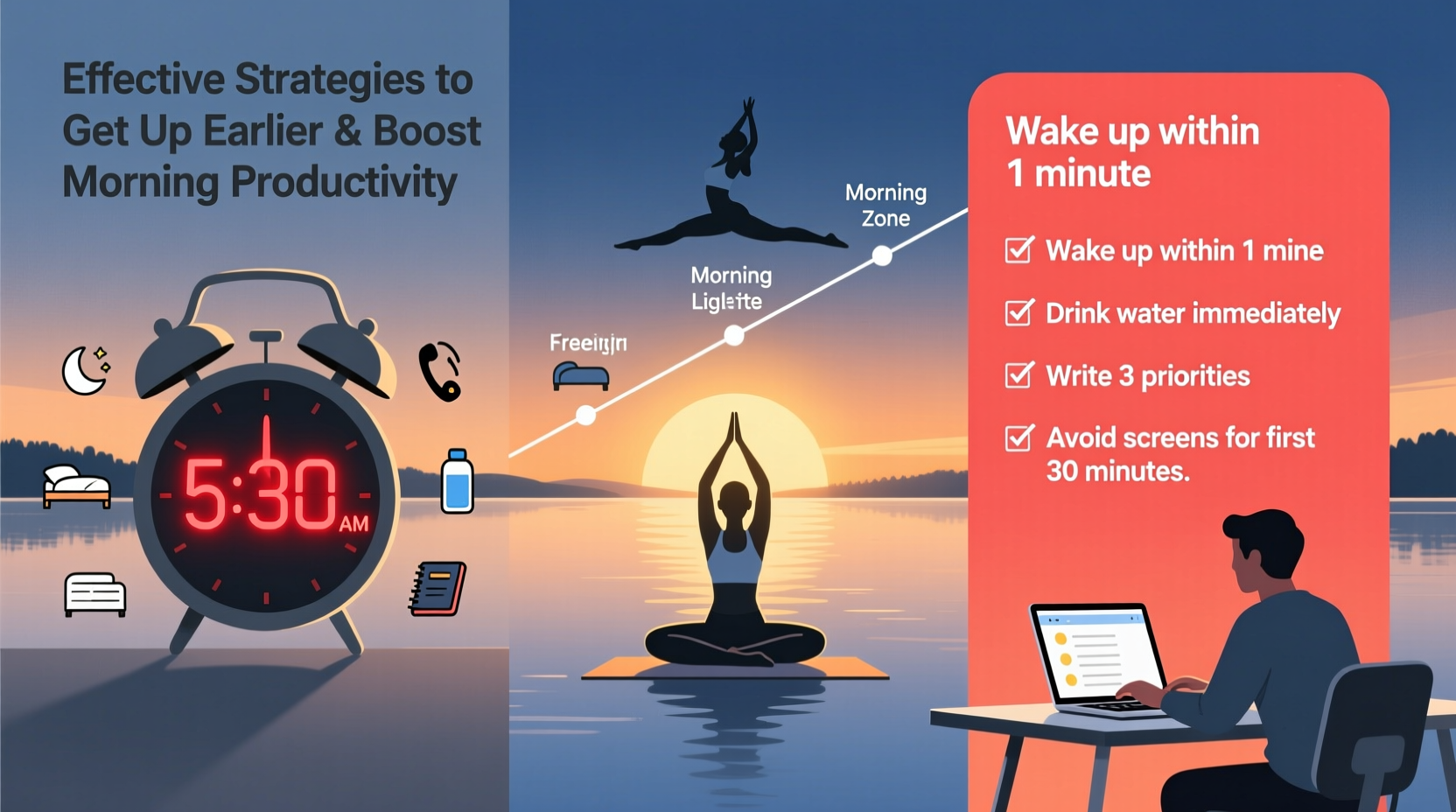
Your body operates on a 24-hour internal clock known as the circadian rhythm, which regulates alertness, hormone production, and body temperature. Disrupting this natural cycle—by staying up late or sleeping in—makes waking up early feel jarring and unnatural. To ease into an earlier wake time, gradually shift your bedtime and wake-up time by 15-minute increments every few days. This slow adjustment allows your internal clock to adapt without shock.
Exposure to natural light within 30 minutes of waking signals your brain to stop producing melatonin, the sleep hormone, and increases cortisol (in healthy amounts), which promotes alertness. Open your curtains immediately upon waking or step outside for a brief walk. Conversely, reduce blue light exposure in the evening by avoiding screens at least one hour before bed or using blue-light-blocking glasses.
Create a Nighttime Routine That Supports Early Rising
Morning success begins the night before. A chaotic or screen-heavy evening disrupts sleep quality and makes waking early difficult. Instead, build a wind-down routine that signals to your body it’s time to rest. Begin 60–90 minutes before your target bedtime with activities such as reading, journaling, or gentle stretching.
Avoid stimulants like caffeine after 2 p.m., and limit alcohol consumption, which may help you fall asleep but reduces REM sleep quality. Keep your bedroom cool (around 65°F or 18°C), dark, and quiet. Consider using blackout curtains, a white noise machine, or earplugs if needed.
“Sleep is the foundation of all productivity. You cannot optimize your mornings if your nights are disorganized.” — Dr. Matthew Walker, neuroscientist and author of *Why We Sleep*
Design a Morning Routine That Builds Momentum
What you do in the first 60 minutes after waking sets the tone for your entire day. Instead of reaching for your phone, start with actions that increase physical activation and mental clarity. Hydrate with a glass of water to rehydrate your brain, then engage in light movement—stretching, yoga, or a short walk. This boosts circulation and helps transition your nervous system from rest to activity.
Follow with a mindfulness practice such as meditation or gratitude journaling. Studies show that even five minutes of focused breathing can reduce stress and improve decision-making throughout the day. Avoid checking emails or social media during this window; these reactive tasks drain mental energy before you’ve had a chance to direct it intentionally.
| Activity | Time | Benefit |
|---|---|---|
| Drink water | 0–5 min | Rehydrates brain, kickstarts metabolism |
| Light movement | 5–15 min | Boosts circulation and alertness |
| Mindfulness or journaling | 15–25 min | Enhances focus and emotional regulation |
| Nutritious breakfast | 25–45 min | Fuels sustained energy and concentration |
Step-by-Step Guide to Transition Into an Early-Rising Lifestyle
Switching to an earlier schedule doesn’t happen overnight. Use this four-week timeline to make lasting changes without burnout.
- Week 1: Choose your ideal wake-up time and set it as your alarm. Wake up at this time daily, no matter what. Resist the urge to snooze.
- Week 2: Move your bedtime 15 minutes earlier each night until you’re falling asleep naturally before your new wake time.
- Week 3: Introduce one productive morning habit—such as journaling or exercise—and repeat it consistently.
- Week 4: Optimize your environment: charge your phone outside the bedroom, prepare clothes and breakfast ingredients the night before, and expose yourself to sunlight immediately upon waking.
Real Example: How Sarah Transformed Her Mornings in 30 Days
Sarah, a marketing manager and mother of two, used to hit snooze five times and rush through her mornings, arriving at work already overwhelmed. After reading about circadian rhythms, she committed to a 30-day experiment. She started by setting a fixed wake-up time of 6:00 a.m., even on weekends. Each night, she powered down devices by 9:00 p.m. and read fiction under warm lighting.
By week three, she began incorporating a 10-minute stretch and a gratitude list. Within a month, she was waking up before her alarm, feeling more energized and in control. “I used to think I wasn’t a morning person,” she said. “But now I look forward to those quiet hours. I plan my day, drink tea, and actually enjoy the stillness.” Her productivity at work improved, and she reported lower stress levels overall.
Common Pitfalls and How to Avoid Them
Many people fail to sustain early rising because they overlook key behavioral traps. Here’s a checklist to stay on track:
- ✅ Go to bed at a consistent time
- ✅ Avoid heavy meals within two hours of bedtime
- ✅ Limit naps to 20 minutes, if necessary
- ✅ Use sunlight as your primary wake-up cue
- ❌ Don’t rely solely on motivation—build systems instead
- ❌ Don’t skip weekends; consistency reinforces habit
Frequently Asked Questions
Is it better to wake up at the same time every day, even on weekends?
Yes. Maintaining a consistent wake-up time stabilizes your circadian rhythm, making it easier to rise early during the week. Sleeping in on weekends creates “social jet lag,” which disrupts sleep quality and reduces daytime alertness.
What should I eat for breakfast to stay productive?
Choose a balanced meal with protein, healthy fats, and complex carbohydrates—such as eggs with avocado and whole-grain toast, or Greek yogurt with nuts and berries. These combinations provide steady energy without spiking blood sugar.
Can technology help me wake up earlier?
Yes, when used wisely. Smart alarms that track sleep cycles can wake you during light sleep phases, reducing grogginess. Light therapy lamps simulate sunrise and can gently rouse you. However, avoid using phones as alarms if they tempt you to scroll—opt for a dedicated alarm clock instead.
Take Control of Your Mornings, Take Control of Your Life
Getting up earlier isn’t about adding more hours to your day—it’s about reclaiming the ones that matter most. When you structure your mornings with intention, you create space for growth, reflection, and progress before distractions take over. The strategies outlined here aren’t quick fixes; they’re components of a sustainable lifestyle shift. Start small: adjust your bedtime by 15 minutes, drink water upon waking, or write down one thing you’re grateful for. Over time, these micro-habits compound into transformative results.




 浙公网安备
33010002000092号
浙公网安备
33010002000092号 浙B2-20120091-4
Comments
No comments yet. Why don't you start the discussion?