
Building blocks are more than just toys—they’re powerful tools for developing problem-solving, spatial reasoning, and fine motor skills. Yet many children struggle when asked to follow step-by-step building block instructions. Frustration can set in quickly, leading to disengagement or avoidance. The key isn’t to lower expectations, but to equip children with the right support and mindset. With thoughtful guidance, any child can learn to interpret diagrams, sequence steps, and complete builds with growing confidence.
Break Instructions into Manageable Steps
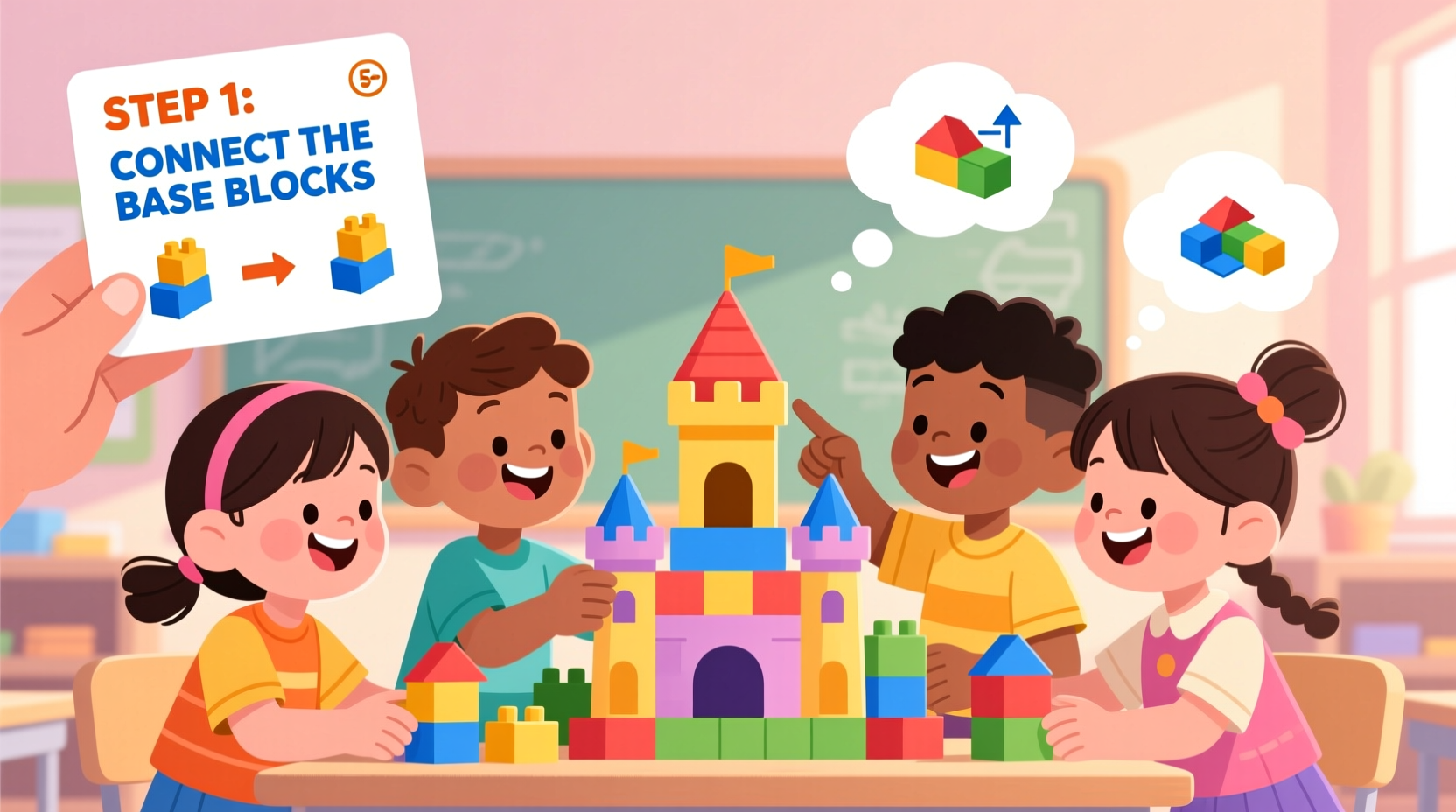
One of the most common reasons children abandon building tasks is feeling overwhelmed by complex instruction sheets. Multi-step diagrams with numerous pieces can be intimidating, especially for younger learners. Instead of presenting the entire build at once, break it down into digestible phases.
Start by identifying natural milestones—such as completing the base, adding walls, or assembling a moving part—and focus on one section at a time. Guide the child through each phase before revealing the next. This method reduces cognitive load and allows them to experience small wins, reinforcing motivation.
Teach Visual Literacy and Symbol Recognition
Understanding building block instructions requires interpreting 2D diagrams and recognizing symbols like arrows, color codes, and piece outlines. Many children haven’t been explicitly taught how to “read” these visuals. Spend time decoding the instruction manual together before beginning the build.
Walk through the first few pages slowly. Point out how arrows indicate direction, how multiple views (top, side, front) help clarify placement, and how numbered steps correspond to specific parts. Use simple language: “This line shows where the red block goes,” or “The arrow tells us to attach it this way.” Over time, children internalize these cues and become more independent.
“Children aren’t born knowing how to read diagrams—it’s a learned skill, just like reading words on a page.” — Dr. Lila Nguyen, Early Childhood Cognitive Development Specialist
Use a Step-by-Step Implementation Plan
To make the process predictable and structured, follow a consistent routine each time you begin a new build. A repeatable framework helps children know what to expect and reduces anxiety about getting things wrong.
- Preview the Build: Look at the final image together. Talk about what it reminds them of or what they think it does.
- Sort the Pieces: Group blocks by shape, size, or color before starting. This minimizes searching mid-build.
- Review the First Few Steps: Read aloud and demonstrate the initial connections slowly.
- Build Together Initially: Co-construct the first phase, then gradually hand over control.
- Celebrate Milestones: Acknowledge completion of sections with verbal praise or a quick high-five.
This timeline creates a rhythm that supports learning while fostering independence. As children grow more capable, they’ll begin to initiate some steps on their own, such as sorting pieces or predicting the next move.
Support Different Learning Styles
Not all children process information the same way. Some learn best by seeing, others by doing, and some by hearing explanations. Adapting your approach based on their preferred learning style increases comprehension and retention.
| Learning Style | Instruction Strategy | Example |
|---|---|---|
| Visual | Highlight steps with colored markers; use magnifiers for small details | Circle the next piece in red on the diagram |
| Auditory | Describe each step verbally; use rhymes or rhythmic cues | “Two short blues, then a long red on top” |
| Kinesthetic | Let them handle pieces early; allow trial-and-error practice | Test-fit connectors before locking them in place |
Observe how your child naturally engages with the materials. Do they narrate their actions? They may be auditory learners. Do they constantly touch and rearrange pieces? They might be kinesthetic. Tailoring your support to their strengths makes instruction-following feel less like work and more like play.
Real Example: Helping Emma Master Her Robot Kit
Emma, age 7, loved robots but often gave up halfway through her building sets. Her mother noticed she’d flip through the booklet quickly, grab random pieces, and become frustrated when things didn’t align. After consulting her teacher, they implemented a new routine.
First, they began sorting all pieces before starting. Then, they used a folder to hide all but the current step. Emma’s mom started narrating each action: “Now we need two gray gears. Can you find them?” Within weeks, Emma was identifying pieces on her own and anticipating next steps. By focusing on process over speed, Emma completed her first independent build—a moving robot arm—and proudly demonstrated it to her class.
Common Pitfalls and How to Avoid Them
Even with good intentions, adults can unintentionally hinder progress. Below are frequent missteps and better alternatives.
| Don’t | Do Instead |
|---|---|
| Take over when frustration arises | Offer encouragement and suggest a short break |
| Expect perfection on the first try | Praise effort and problem-solving attempts |
| Rush through steps to finish quickly | Maintain a steady, calm pace focused on understanding |
| Ignore mismatched pieces | Teach error-checking: “Does that look like the picture?” |
Patience is essential. Mistakes are not failures—they’re feedback. When a piece doesn’t fit, ask open-ended questions: “What do you notice?” or “Where else could it go?” This encourages critical thinking without direct correction.
Checklist: Building Confidence Through Structure
- ✅ Preview the final model together
- ✅ Sort pieces by type or color before starting
- ✅ Cover future steps to reduce overwhelm
- ✅ Read and discuss each step before acting
- ✅ Praise persistence, not just completion
- ✅ Allow breaks when frustration builds
- ✅ Review the finished build and celebrate success
Frequently Asked Questions
What if my child refuses to follow instructions and just wants to build freely?
Free building is valuable and should be encouraged! Balance is key. Designate certain sessions for creative play and others for guided builds. You might say, “Today we’ll follow the robot plan. Tomorrow, you can invent your own spaceship.” This honors their creativity while still developing sequential thinking.
My child gets angry when pieces don’t fit. How can I help?
Emotional regulation is part of the process. Teach simple coping strategies: deep breaths, stepping away for 60 seconds, or using a “mistake helper” phrase like “Oops—that means I need to look again.” Normalize errors as part of learning. Over time, frustration decreases as competence grows.
Are digital building apps helpful for learning instructions?
Some interactive apps offer animated, 360-degree views of builds and can enhance spatial understanding. However, physical manipulation remains crucial for motor development. Use digital tools as supplements—not replacements—for hands-on building. Apps like LEGO Builder or Mega Construx AR guides can be engaging when used in moderation.
Empower Growth One Block at a Time
Following building block instructions is more than a hobby—it’s a gateway to logical thinking, attention to detail, and perseverance. Every child can improve with the right environment, supportive guidance, and incremental challenges. Success isn’t measured by speed or flawless execution, but by willingness to try, adapt, and keep going.




 浙公网安备
33010002000092号
浙公网安备
33010002000092号 浙B2-20120091-4
Comments
No comments yet. Why don't you start the discussion?