
Bringing a new jacket into your dog’s life can be a challenge. Whether it's for warmth during winter walks, protection from rain, or visibility at night, outerwear should enhance comfort—not cause anxiety. Many dogs react with hesitation, stiffness, or even attempts to remove the garment immediately. The key isn’t force; it’s patience, positive reinforcement, and thoughtful introduction. With the right approach, your dog can not only tolerate their jacket but actually look forward to wearing it.
Understanding Your Dog’s Reaction
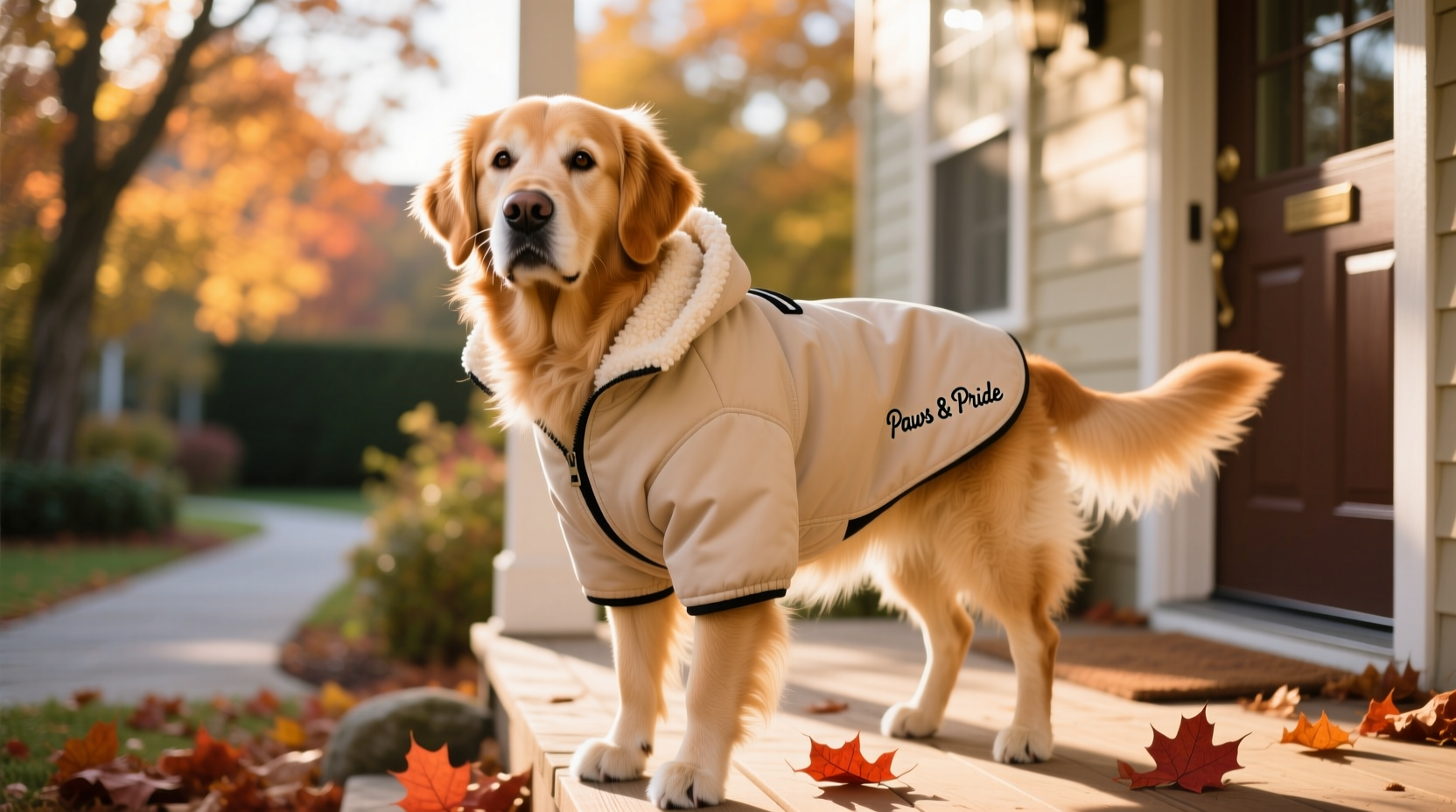
Dogs rely heavily on instinct and routine. A sudden change in sensation—like fabric touching unfamiliar areas of their body—can trigger confusion or discomfort. Some dogs freeze, others back away, and many try to rub the jacket off. These behaviors aren’t defiance; they’re communication. Your dog may feel restricted, overheated, or simply unsure what this new item means.
Small breeds, senior dogs, or those with past trauma may be especially sensitive. Even confident dogs can struggle if the fit is awkward or the material feels unnatural. Recognizing that resistance is normal—and temporary—is the first step toward building acceptance.
“Introducing gear like jackets should mimic how we teach any new behavior: gradually, positively, and with full attention to the dog’s emotional state.” — Dr. Lena Patel, Certified Canine Behavior Consultant
Step-by-Step Introduction Timeline
Rushing the process leads to setbacks. Instead, follow a structured 5–7 day timeline that builds familiarity and trust:
- Day 1: Neutral Exposure – Place the jacket near your dog’s bed or feeding area. Let them sniff and investigate without pressure. Reward calm curiosity with treats.
- Day 2: Touch & Treat – Gently drape the jacket over their back for 5 seconds while offering high-value treats. Remove immediately. Repeat 3–4 times.
- Day 3: Brief Fastening – Clip one closure (e.g., neck or chest snap) while giving treats. Keep sessions under 10 seconds. End on a positive note.
- Day 4: Full Closure Practice – Fasten all clips while keeping your dog engaged with praise and snacks. Allow them to move around briefly with supervision.
- Day 5–7: Short Wearing Sessions – Increase wear time by 1–2 minutes daily. Pair jacket time with favorite activities: treat puzzles, short walks, or cuddles.
Selecting the Right Fit and Fabric
A poorly fitting jacket causes physical discomfort and psychological resistance. Measure your dog accurately: neck girth, chest circumference, and back length from base of neck to tail. When trying a jacket on:
- The fabric should lie flat without pulling or sagging.
- Seams shouldn’t press against shoulders or hips.
- You should be able to slide two fingers comfortably under any strap.
Fabric matters too. Soft fleece linings reduce irritation. Waterproof exteriors are ideal for wet climates but can trap heat—avoid heavy materials in mild weather. Avoid bulky hoods or dangling parts that might scare skittish dogs.
| Jacket Type | Best For | Potential Drawbacks |
|---|---|---|
| Fleece Pullover | Cold, dry weather; indoor use | Harder to put on/take off; may bunch up |
| Vest with Snap Closures | Dogs new to jackets; easy access | Less coverage; snaps may irritate if tight |
| Waterproof Raincoat | Wet climates; muddy walks | Noisy fabric; can feel restrictive |
| Reflective Safety Jacket | Night walks; urban environments | Often thinner insulation; less warmth |
Positive Reinforcement Techniques That Work
Classical and operant conditioning are powerful tools. Pair the jacket with experiences your dog already loves. For example:
- Put on the jacket before filling their food bowl.
- Let them wear it during car rides to the park.
- Give a stuffed Kong or chew toy only when the jacket is on.
Use verbal cues consistently. Say “jacket time” in an upbeat tone each time you begin the process. Over time, the phrase itself becomes a signal for something pleasant.
If your dog starts to back away or freeze, don’t scold. Instead, go back a step. Maybe they’re ready for touch but not fastening. Meet them where they are. Progress isn’t linear—some days will be better than others.
Real Example: Helping Luna Adjust to Winter Wear
Luna, a three-year-old Shiba Inu, had never worn a jacket. When her owner tried to put one on before a snowy walk, she crouched, tucked her tail, and refused to move. Attempts to force it caused trembling.
Instead of repeating the mistake, her owner followed a gradual plan. First, she left the jacket on the couch for two days. Luna sniffed it once and ignored it—progress. On day three, the owner draped it over Luna’s back while brushing her, offering pieces of chicken. After five seconds, it was removed. No pressure.
By day six, Luna stood still as the jacket was fully fastened. By day ten, she trotted to the closet when she heard the crinkle of the fabric. Now, she waits patiently for her jacket before every winter outing—sometimes even nudging it with her nose.
The transformation wasn’t magic. It was consistency, respect for her pace, and pairing the experience with safety and rewards.
Common Mistakes to Avoid
Even well-meaning owners make errors that deepen resistance. Watch for these pitfalls:
- Forcing the jacket on – This breaks trust and associates the item with fear.
- Ignoring body language – Lip licking, yawning, turning away, or whale eye are stress signals.
- Skipping acclimation steps – Jumping straight to full wear time overwhelms most dogs.
- Using the jacket only in unpleasant conditions – If it’s only worn during cold storms, your dog links it to discomfort.
“The goal isn’t compliance—it’s comfort. A dog who chooses to stand still for a jacket has internalized confidence, not just obedience.” — Marcus Tran, Professional Dog Trainer & Fear-Free Certified Practitioner
Checklist: How to Successfully Introduce a Dog Jacket
- ✅ Measure your dog accurately before purchasing.
- ✅ Choose soft, breathable fabric appropriate for the climate.
- ✅ Let your dog sniff and explore the jacket before use.
- ✅ Begin with brief touches and immediate rewards.
- ✅ Fasten one clip at a time, always paired with treats.
- ✅ Limit early sessions to under 30 seconds.
- ✅ Associate jacket time with positive events (walks, meals, play).
- ✅ Monitor body language and regress if needed.
- ✅ Wash the jacket regularly to maintain comfort and scent neutrality.
- ✅ Celebrate small wins—each step builds confidence.
FAQ
How long does it take for a dog to get used to a jacket?
Most dogs adapt within 5 to 10 short sessions over a week. Sensitive or anxious dogs may need two weeks or more. The timeline depends on consistency, not calendar days.
Should I leave the jacket on indoors?
Only during supervised training sessions. Never leave a dog unattended in a jacket. Indoors, overheating or entanglement risks increase. Remove it after practice or walks.
My dog keeps trying to rub the jacket off. What should I do?
This usually means the fit is wrong or the introduction was too fast. Check for pinching straps or loose fabric irritating their skin. Go back to earlier steps and rebuild positive associations slowly.
Final Thoughts
Helping your dog feel cozy and confident in a jacket isn’t about the garment—it’s about the relationship. Every moment of patience, every treat given with kindness, strengthens trust. When done right, the jacket becomes part of a routine that feels safe, predictable, and even enjoyable.
Start today. Lay the jacket down. Offer a treat. Wait. Observe. Respond with empathy. Small actions build lasting comfort. Your dog doesn’t need to love fashion—but they can learn to love the feeling of being protected, supported, and understood.




 浙公网安备
33010002000092号
浙公网安备
33010002000092号 浙B2-20120091-4
Comments
No comments yet. Why don't you start the discussion?