
Cats are naturally curious and predatory animals, but their environment often lacks the stimulation they need to thrive. Without proper engagement, even the most playful kitten can become lethargic or develop behavioral issues. Introducing new cat toys isn’t just about novelty—it’s a vital part of maintaining your cat’s physical health, mental sharpness, and emotional well-being. The key lies not in how many toys you offer, but in how thoughtfully you introduce and rotate them. With the right approach, you can transform playtime into a consistent source of enrichment that strengthens your bond and keeps your cat mentally agile.
Understanding Your Cat’s Play Instincts
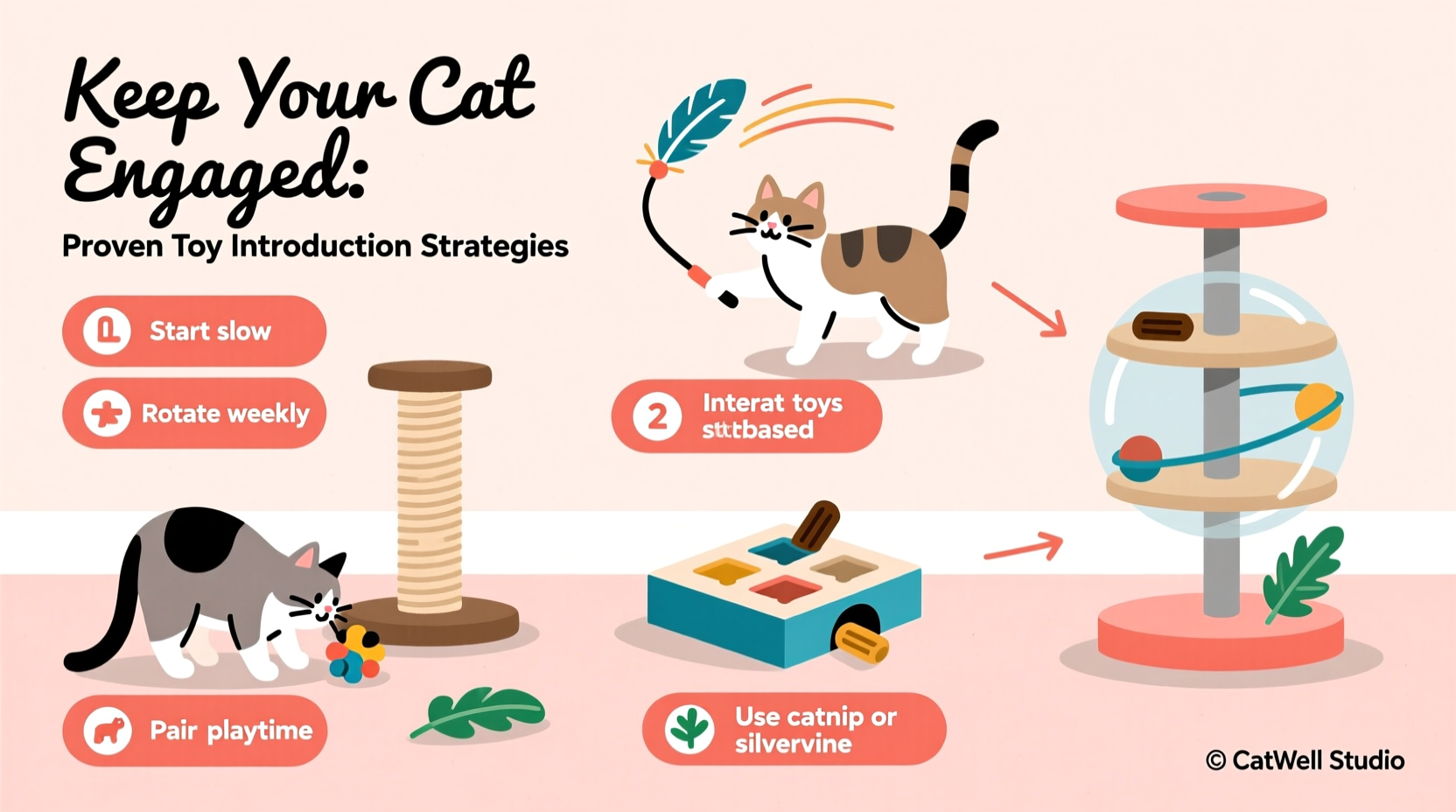
Cat behavior is deeply rooted in survival instincts. Even well-fed indoor cats retain the drive to stalk, pounce, chase, and “capture” prey. This sequence—orient, stalk, chase, pounce, bite, and kill—is hardwired. Toys that mimic movement, sound, and unpredictability trigger this natural cycle, providing both physical exercise and psychological satisfaction.
However, not all cats respond to toys in the same way. Some prefer wand toys that simulate birds or insects, while others are drawn to small, rolling objects that resemble escaping rodents. Observing your cat’s preferences helps tailor your toy selection. For example, a cat that leaps at dangling strings may love feather teasers, while one who bats objects under furniture might prefer lightweight balls with bells.
“Cats don’t just play to have fun—they play to practice life skills. A lack of appropriate outlets can lead to stress, overgrooming, or aggression.” — Dr. Sarah Thompson, Feline Behavior Specialist
Step-by-Step Guide: How to Introduce New Cat Toys
Introducing a new toy requires patience and strategy. A sudden change can overwhelm or confuse your cat, leading to disinterest. Follow this timeline to ensure a smooth transition:
- Observe First (Day 1): Place the new toy near your cat’s favorite resting spot without interaction. Let them sniff, paw, or ignore it on their own terms.
- Pair with Familiarity (Day 2–3): Use the new toy alongside a favorite one. For instance, dangle a new feather wand next to an old one you know they like.
- Interactive Engagement (Day 4–5): Begin using the toy during play sessions. Mimic prey-like movements—short bursts, erratic turns, pauses—to spark interest.
- Encourage Solo Play (Day 6–7): Leave the toy accessible when you’re not around. If it has a crinkle or bell, the sound may attract independent investigation.
- Evaluate & Rotate (Day 8+): Assess whether your cat engages. If not, store it and reintroduce later. Rotate toys every 1–2 weeks to maintain novelty.
Do’s and Don’ts of Cat Toy Introduction
| Do | Don’t |
|---|---|
| Choose toys that mimic real prey (feathers, fur, erratic motion) | Use toys with small, detachable parts that can be swallowed |
| Rotate toys weekly to prevent boredom | Leave string or ribbon toys unattended |
| Use interactive wands daily for 10–15 minutes | Use laser pointers as the sole toy—always end with a tangible “catch” |
| Incorporate puzzle feeders for mental stimulation | Ignore signs of overstimulation (hissing, biting, tail flicking) |
Real Example: Reviving Playfulness in an Older Cat
Milo, a 9-year-old domestic shorthair, had grown increasingly sedentary. His owner, Lisa, noticed he no longer chased his favorite jingle ball and spent most days napping. Concerned about weight gain and low energy, she consulted her vet, who suggested environmental enrichment. Lisa began introducing new toys slowly—starting with a motorized mouse that moved intermittently across the floor. At first, Milo watched from a distance. After three days, he batted it once. Lisa paired the toy with treats and praise. Within two weeks, Milo was actively chasing it, and Lisa added a feather wand for daily interactive play. Over time, Milo regained agility, and his overall mood improved. The change wasn’t instant, but consistency and observation made all the difference.
Checklist: Ensuring Long-Term Engagement
- ✅ Assess your cat’s current toy preferences before buying new ones
- ✅ Limit new toy introductions to one at a time
- ✅ Schedule daily interactive play sessions (morning and evening mimic hunting peaks)
- ✅ Store unused toys out of sight to preserve novelty
- ✅ Clean toys regularly—dust and saliva buildup reduce appeal
- ✅ Combine play with feeding using treat-dispensing or puzzle toys
- ✅ Monitor for wear and replace damaged toys immediately
Frequently Asked Questions
How often should I introduce a new cat toy?
Introduce a new toy every 1–2 weeks, depending on your cat’s interest level. Frequent rotation prevents habituation. Keep a “toy library” and cycle through five or six options monthly.
My cat ignores all toys. What should I do?
Start with interactive play using wand toys to spark interest. Some cats need encouragement. Also, consider health issues—arthritis or dental pain can reduce playfulness. Consult your veterinarian if disengagement is sudden or persistent.
Are laser pointers bad for cats?
Laser pointers aren’t harmful when used correctly, but they should never be the only form of play. Since cats can’t “catch” the light, always end the session by directing the dot onto a physical toy they can capture, satisfying their instinctual need to complete the hunt.
Conclusion: Building a Sustainable Play Routine
Keeping your cat engaged isn’t about constant novelty—it’s about thoughtful variety, consistent interaction, and understanding feline psychology. By introducing new toys gradually, respecting your cat’s pace, and integrating play into their daily rhythm, you create a stimulating environment that supports long-term health. Play reduces stress, prevents obesity, and deepens trust between you and your pet. The most effective toys aren’t always the flashiest; they’re the ones that align with your cat’s instincts and are presented with care.




 浙公网安备
33010002000092号
浙公网安备
33010002000092号 浙B2-20120091-4
Comments
No comments yet. Why don't you start the discussion?