
Gardens are a source of pride and relaxation, but they can quickly become targets for neighborhood or stray cats looking for soft soil to dig in or warm spots to nap. While cats pose no ill intent, their presence in flower beds can lead to trampled plants, disturbed soil, and unpleasant odors from urine marking. The good news is that you don’t need to resort to harmful methods to protect your garden. With thoughtful, humane strategies, you can deter cats effectively while maintaining a peaceful coexistence with local felines.
Understanding Why Cats Enter Flower Beds
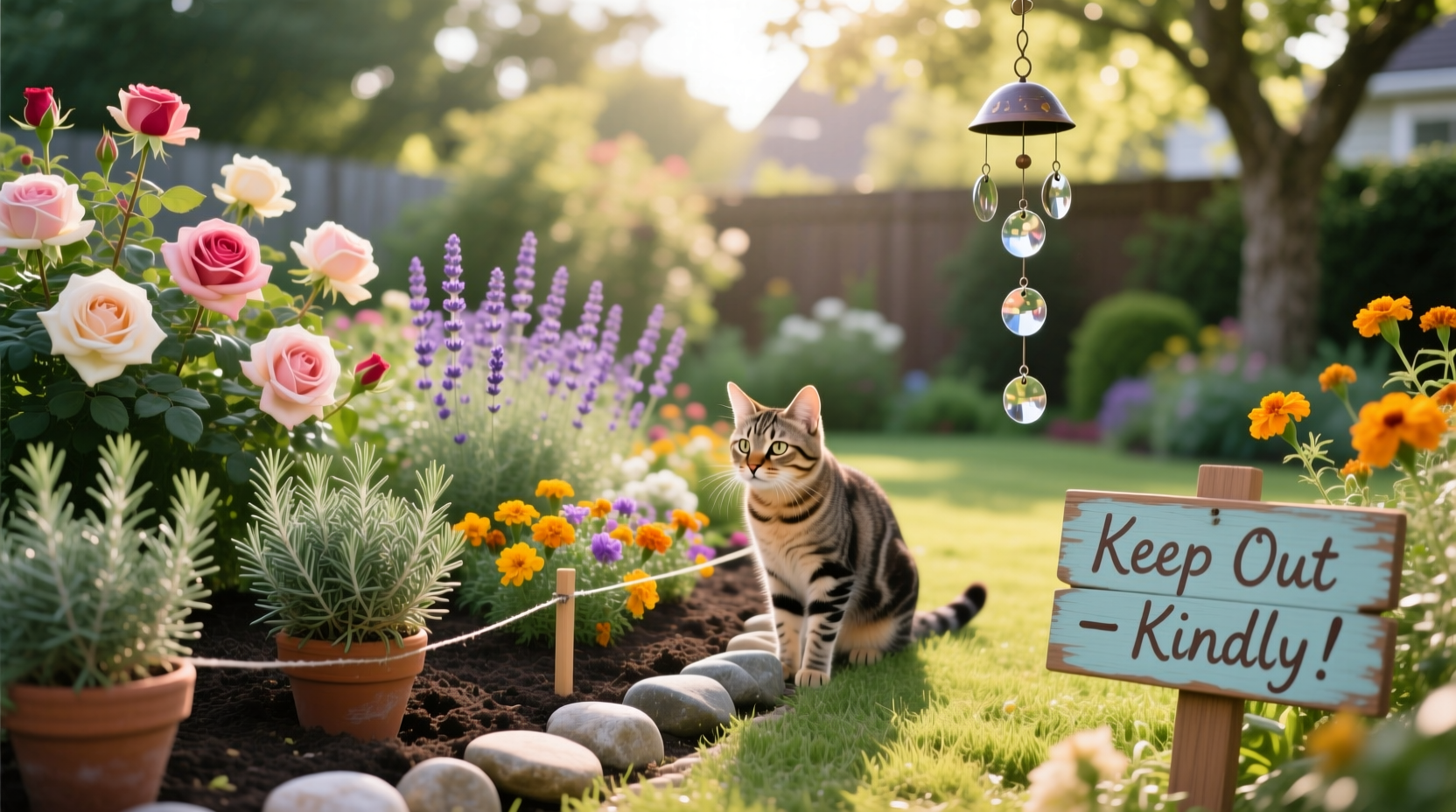
Cats are naturally drawn to loose, soft soil—ideal conditions for digging and burying waste. Flower beds often provide just that, especially if they’re mulched or recently turned. Additionally, shaded areas beneath shrubs or perennials offer shelter and warmth, making them attractive resting spots. Some cats may also be hunting insects or small rodents in the garden.
It’s important to recognize that most cats entering your yard are not acting maliciously. They’re following instinctual behaviors. Punishing or scaring them harshly isn’t only ineffective long-term but can also disrupt local animal harmony. Instead, focus on gentle deterrents that discourage use without causing stress or injury.
Physical Barriers and Garden Modifications
One of the most reliable ways to keep cats out is to make the environment less inviting through physical changes. These modifications don’t harm animals but create an uncomfortable surface or access point.
- Chicken wire or mesh covers: Lay lightweight wire mesh over newly planted beds. While invisible from a distance, it prevents digging. Press it flush against the soil and cover lightly with mulch for aesthetics.
- Placing prickly barriers: Use natural materials like pinecones, coarse gravel, or citrus peels around plant bases. Cats dislike walking on uneven or sharp textures.
- Installing raised beds: Elevating your flower beds by 18 inches or more makes them less accessible and less appealing as digging sites.
- Spacing plants tightly: Dense planting reduces open soil areas, leaving fewer tempting spots for cats to explore.
“Cats avoid surfaces they can’t easily dig into or balance on. A well-designed garden layout can naturally discourage unwanted visits.” — Dr. Lena Torres, Urban Wildlife Behaviorist
Odor-Based Deterrents That Work
Cats have a powerful sense of smell and are repelled by certain scents. Using odor-based repellents is a non-invasive method that can be highly effective when applied consistently.
Popular options include:
- Citrus peels (orange, lemon, lime)
- Used coffee grounds
- Essential oils like citronella, lavender, or eucalyptus (diluted and used sparingly)
- Commercial organic cat repellents containing predator urine (e.g., coyote or fox)
These should be refreshed regularly, especially after rain. Avoid spraying essential oils directly on plants, as some can cause damage. Instead, apply them to cotton balls placed around the perimeter.
| Deterrent | Effectiveness | Duration | Notes |
|---|---|---|---|
| Citrus peels | High | 3–5 days | Natural, biodegradable, safe for pets |
| Coffee grounds | Moderate | 5–7 days | Adds nitrogen to soil; may attract rodents if overused |
| Predator urine | Very High | 2–3 weeks | Strong odor; use away from patios or play areas |
| Lavender oil | Low-Moderate | 2–3 days | May repel beneficial insects; use cautiously |
Step-by-Step Guide: Creating a Cat-Proof Garden Zone
Follow this timeline to gradually transform your flower beds into cat-resistant spaces using humane methods:
- Week 1: Assess and map activity. Identify entry points and high-traffic zones by checking for paw prints or disturbed soil in the morning.
- Week 2: Apply surface deterrents. Spread citrus peels or coffee grounds in problem areas. Install chicken wire if needed.
- Week 3: Introduce scent repellents. Place cotton balls soaked in diluted citronella oil around bed edges. Reapply every 3 days.
- Week 4: Modify landscape layout. Add dense ground cover plants like lamb’s ear or thyme to reduce exposed soil.
- Ongoing: Monitor and maintain. Refresh deterrents weekly and adjust strategy based on results.
Mini Case Study: Reviving a Trampled Cottage Garden
Susan M., a gardener in Portland, Oregon, struggled for months with repeated cat intrusions in her heirloom flower beds. Her delphiniums were flattened, and marigolds disappeared overnight. After trying motion-activated sprinklers (which startled her own dog), she adopted a layered approach.
She began by laying down recycled plastic mesh under a thin layer of bark mulch. Around the perimeter, she placed bowls of used coffee grounds and scattered orange rinds from her kitchen. She also planted a border of lavender and rosemary, which added fragrance and visual appeal.
Within three weeks, signs of cat activity dropped by 90%. By week six, only occasional paw prints appeared at the far edge—nowheres near her prized blooms. Susan continues to refresh her deterrents monthly and reports her garden has never looked healthier.
Common Mistakes to Avoid
Even well-intentioned efforts can backfire if not properly executed. Here are key pitfalls to steer clear of:
- Using toxic substances: Avoid mothballs, ammonia, or chemical pesticides—they harm cats, wildlife, and soil health.
- Over-relying on sound devices: Ultrasonic repellents vary in effectiveness and may disturb other animals or neighbors.
- Ignoring root causes: If there’s food waste or rodents attracting cats, address those first.
- Inconsistent application: Deterrents must be maintained. Gaps in coverage teach cats that the area is safe again.
Frequently Asked Questions
Will these methods work for both stray and pet cats?
Yes. Most outdoor cats respond similarly to environmental cues regardless of ownership. However, if a neighbor’s pet is visiting regularly, consider discussing shared solutions like designating a sandbox elsewhere in their yard.
Are motion-activated sprinklers cruel?
No, when used appropriately. A brief burst of water startles rather than harms and teaches cats to avoid the area. Ensure the spray is set to activate only during typical cat activity hours (dawn/dusk) to minimize impact on birds or beneficial insects.
Can I train a cat to stay out of my garden?
You can’t train individual cats directly unless they’re yours, but consistent deterrents condition all cats to associate your garden with discomfort. Over time, they’ll choose easier alternatives.
Checklist: Humane Cat Deterrence Plan
- ☐ Identify high-traffic zones in your garden
- ☐ Install physical barriers (mesh, rocks, or raised edges)
- ☐ Apply natural odor deterrents (citrus, coffee, herbs)
- ☐ Plant dense ground covers to reduce bare soil
- ☐ Refresh repellents weekly, especially after rain
- ☐ Consider motion-activated sprinklers for large areas
- ☐ Avoid toxic chemicals or harmful traps
- ☐ Monitor progress and adjust strategy monthly
Conclusion
Protecting your flower beds from cats doesn’t require conflict or cruelty. By understanding feline behavior and applying thoughtful, multi-layered strategies, you can preserve your garden’s beauty while respecting local wildlife. The most successful approaches combine physical, olfactory, and environmental tactics that gently guide cats elsewhere—without causing harm.




 浙公网安备
33010002000092号
浙公网安备
33010002000092号 浙B2-20120091-4
Comments
No comments yet. Why don't you start the discussion?