
Rhinestone-adorned keychains combine practicality with personal flair, turning an everyday object into a statement piece. Whether handmade as a gift or customized for self-expression, the durability of these embellishments depends heavily on how well the rhinestones are secured. Too often, glittering accents fall off after just a few weeks due to poor adhesion, environmental exposure, or incorrect materials. The key to long-lasting sparkle lies not in chance but in careful selection, application, and maintenance. By understanding the science behind adhesives, the impact of surface preparation, and the role of protective finishing, you can ensure your rhinestone keychain remains dazzling through daily use.
Choose the Right Adhesive for Maximum Hold
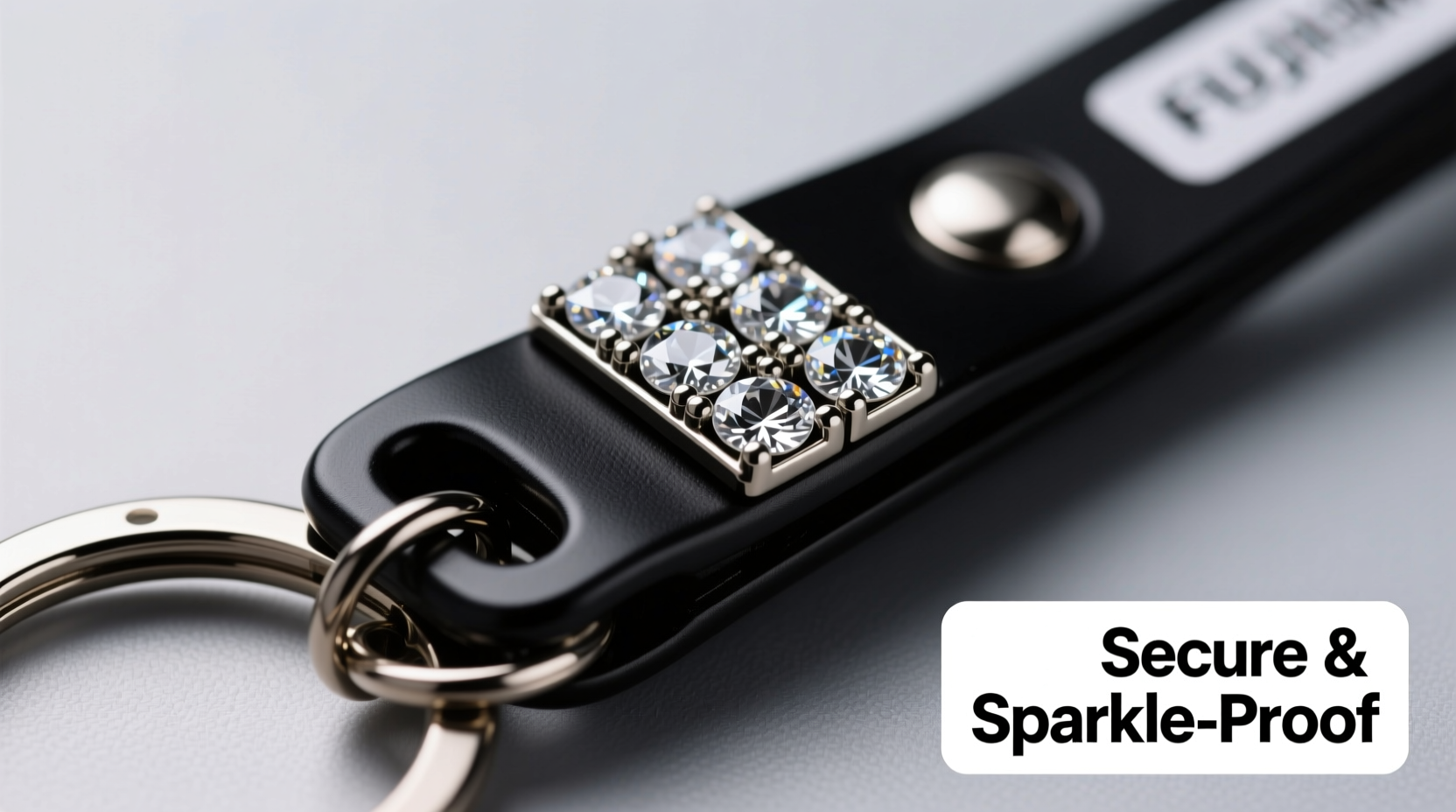
The foundation of any secure rhinestone application is the adhesive. Not all glues are created equal—some dry too quickly, others lack flexibility, and many fail under temperature changes or moisture. For metal, plastic, or silicone keychains, industrial-strength adhesives outperform craft store multipurpose glues.
Epoxy resins and cyanoacrylate (commonly known as super glue) offer strong bonding capabilities. Epoxy provides a longer working time and fills small gaps, making it ideal for uneven surfaces. Cyanoacrylate bonds instantly and works best on smooth, non-porous materials. UV-cured adhesives are another high-performance option, especially popular in professional jewelry making. These require a UV lamp to cure but offer crystal-clear finishes and exceptional durability.
Prepare the Surface Thoroughly Before Application
No adhesive can bond effectively to a dirty or oily surface. Fingerprints, dust, or manufacturing residues create a barrier that prevents proper adhesion. Cleaning is a non-negotiable step.
Use isopropyl alcohol (70% or higher) on a lint-free cloth to wipe down the entire area where rhinestones will be placed. This removes oils and prepares the surface for optimal bonding. For plastic or silicone keychains, lightly sanding with fine-grit sandpaper (600+ grit) increases surface texture, giving the glue more to grip. After sanding, clean again with alcohol to remove debris.
Work in a dust-free environment if possible. Even airborne particles can interfere with the bond. Allow the surface to dry completely before applying any adhesive.
Apply Rhinestones with Precision and Proper Technique
How you place the rhinestones matters as much as the glue you use. Rushing this step leads to misalignment, air bubbles, and weak spots.
- Use a fine-tipped applicator or tweezers to control placement.
- Apply a small, consistent drop of adhesive directly onto the base of each rhinestone or the designated spot on the keychain.
- Gently press the stone into place, holding it steady for 10–15 seconds to allow initial setting.
- Work one section at a time, especially on larger designs, to prevent glue from drying prematurely.
Avoid using excessive glue, which can seep out and create cloudy edges or attract dirt. A precise amount ensures both strength and visual clarity.
| Adhesive Type | Best For | Drying Time | Water Resistance |
|---|---|---|---|
| Epoxy Resin | Metal, glass, rigid plastics | 5–30 minutes (initial), 24 hours (full) | Excellent |
| Cyanoacrylate (Super Glue) | Smooth surfaces, quick fixes | 10–30 seconds | Good (but brittle over time) |
| UV-Cure Adhesive | Professional finishes, clear layers | 30–60 seconds (with UV light) | Excellent |
| Hot Fix Applicator + Glue | Textile or flexible bases | Instant (heat-activated) | Fair (less durable on hard surfaces) |
Seal and Protect for Long-Term Durability
Even the strongest adhesive benefits from a protective topcoat. A sealant shields rhinestones from abrasion, moisture, and UV degradation. Clear epoxy resin is the gold standard for sealing—it forms a hard, transparent dome that locks stones in place while enhancing brilliance.
For smaller projects, brush-on acrylic sealants designed for crafts can work, but they may yellow over time or wear thin with frequent handling. Two-part epoxy offers superior resistance and longevity. Apply in thin layers, allowing each to cure fully before adding the next. Avoid trapping air bubbles by stirring the mixture slowly and pouring carefully.
“Most rhinestone failures happen not from poor glue, but from skipping the sealant. A good epoxy coat can double or even triple the lifespan of decorative elements.” — Lila Chen, Jewelry Design Instructor at Metropolitan Craft Institute
Preventative Maintenance and Care Tips
Once your keychain is complete, how you treat it determines how long the sparkle lasts. Rhinestones are delicate and vulnerable to friction, chemicals, and impacts.
- Avoid tossing the keychain into bags or pockets with keys, coins, or sharp objects.
- Remove during activities involving water, such as washing hands, swimming, or cleaning.
- Wipe gently with a soft, dry cloth to remove dust and fingerprints.
- Store separately in a soft pouch when not in use to prevent scratches.
Real-World Example: The Festival Vendor’s Dilemma
A small accessory vendor at music festivals noticed that nearly half of her custom rhinestone keychains returned with missing stones within two months. Customers loved the designs but complained about durability. She switched from a basic craft glue to a two-part epoxy system, began prepping surfaces with alcohol and light sanding, and added a final UV-cured sealant layer. Within six months, return complaints dropped to less than 5%. Her sales increased not only due to improved quality but also because customers began recommending her products as “the ones that actually last.”
Essential Checklist for Securing Rhinestones
Follow this checklist to ensure your rhinestone keychain stands the test of time:
- ✔ Choose a high-strength adhesive (epoxy, cyanoacrylate, or UV-cure).
- ✔ Clean the surface with isopropyl alcohol.
- ✔ Lightly sand non-porous surfaces for better adhesion.
- ✔ Use precision tools (tweezers, applicators) for accurate placement.
- ✔ Apply adhesive sparingly and press stones firmly into place.
- ✔ Allow full curing time before handling (up to 24 hours for epoxy).
- ✔ Apply a protective sealant layer, preferably clear epoxy.
- ✔ Avoid water, friction, and extreme temperatures during use.
- ✔ Inspect periodically and reseal if needed.
Frequently Asked Questions
Can I use hot-fix rhinestones on a metal keychain?
Yes, but with caution. Hot-fix stones use heat-activated adhesive, which may not bond as strongly to metal without surface preparation. Light sanding and priming with a compatible adhesive promoter improve results. For maximum durability, follow up with a clear epoxy sealant.
Why do my rhinestones keep falling off even after using strong glue?
The most common reasons are inadequate surface cleaning, insufficient curing time, or exposure to moisture before the bond fully sets. Ensure the surface is free of oils, allow the recommended drying period, and protect the piece from humidity and handling during curing.
Is nail polish a good sealant for rhinestones?
While some crafters use clear nail polish as a quick fix, it’s not ideal for long-term protection. Nail polish tends to chip, yellow, and degrade with exposure to sunlight and solvents. Opt for a dedicated jewelry-grade sealant like epoxy resin for reliable performance.
Final Thoughts: Make Sparkle Last
A rhinestone keychain shouldn’t lose its luster after a few weeks. With the right materials, meticulous technique, and ongoing care, your creation can remain vibrant and intact for years. The effort invested in proper adhesion and sealing pays off in both appearance and customer satisfaction—whether you're crafting for pleasure or profit. Every detail, from surface prep to final coating, contributes to a professional result that reflects pride in craftsmanship.




 浙公网安备
33010002000092号
浙公网安备
33010002000092号 浙B2-20120091-4
Comments
No comments yet. Why don't you start the discussion?