
Walking a cat on a harness can be a rewarding experience for both pet and owner, offering mental stimulation, physical exercise, and a chance to bond. However, many cats resist wearing a harness due to discomfort or fear. Success lies not just in choosing the right gear but in building trust, using proper techniques, and understanding feline behavior. With thoughtful preparation and consistent training, even the most reluctant cats can learn to enjoy safe outdoor adventures.
Choosing the Right Harness: Fit and Functionality
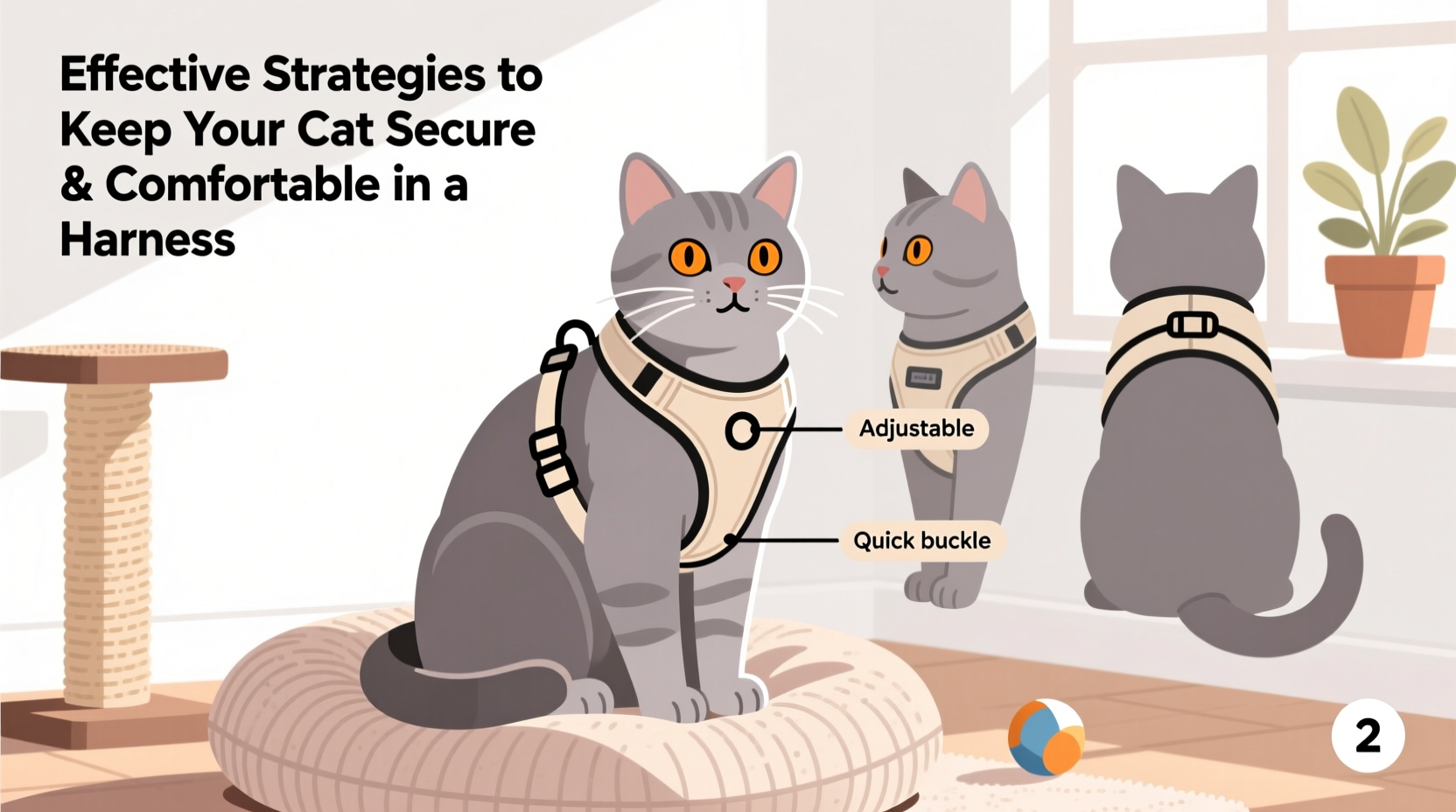
The foundation of a successful harness experience begins with selecting the correct type and size. Unlike dogs, cats have more delicate builds and are prone to slipping out of ill-fitting gear. A poorly designed or improperly fitted harness can cause chafing, panic, or even escape attempts that put your cat at risk.
Harnesses come in several styles—H-style, figure-eight, and vest-style—with each offering different levels of control and comfort. Vest-style harnesses distribute pressure evenly across the chest and shoulders, reducing strain on the neck and making them ideal for cats new to leash walking.
| Harness Type | Pros | Cons |
|---|---|---|
| Vest-Style | Distributes pressure, highly secure, comfortable for long wear | May feel bulky; harder to put on alone |
| Figure-Eight | Lightweight, easy to adjust, good for small cats | Limits movement if too tight; neck loop can press on throat |
| H-Style | Offers multiple attachment points, very adjustable | Bulkier design; may rub underarms |
Avoid harnesses with only a neck loop or those made from stiff materials. Opt for soft, breathable fabrics like nylon or mesh, especially if you live in a warm climate. Reflective stitching is a valuable feature for evening walks, increasing visibility and safety.
Step-by-Step Acclimation Process
Introducing a harness should never be rushed. Cats thrive on routine and familiarity, so forcing the process leads to resistance. A gradual acclimation timeline allows your cat to associate the harness with positive experiences.
- Day 1–3: Introduce the harness indoors. Let your cat sniff and investigate it. Place treats nearby or inside the harness loop to create a positive association.
- Day 4–5: Drape the harness over their back. Do not fasten it yet. Reward calm behavior with praise or treats.
- Day 6–7: Fasten loosely for short periods. Start with 2–5 minutes while offering playtime or snacks. Monitor for signs of distress such as flattened ears or excessive grooming.
- Week 2: Attach the leash indoors. Allow your cat to drag the leash (supervised) to get used to the weight and movement.
- Week 3: Begin gentle guidance. Hold the leash and follow your cat around the house, allowing them to lead.
- Week 4+: Test outdoors in a secure area. Choose a quiet backyard or enclosed patio during low-traffic times.
This phased approach reduces anxiety and builds confidence. Never punish or pull your cat during training—this damages trust and reinforces negative associations.
Ensuring Security During Outdoor Walks
Once your cat tolerates the harness, outdoor excursions require vigilance. Even confident cats can spook at sudden noises, birds, or unfamiliar scents. Safety depends on preparation and awareness.
- Always supervise your cat—never leave them unattended while harnessed.
- Use a lightweight, non-retractable leash no longer than 6 feet to maintain control.
- Avoid busy streets, dog parks, or areas with predators like raccoons or stray dogs.
- Begin with brief outings (5–10 minutes) and gradually increase duration as your cat becomes comfortable.
Consider using a harness with dual leash attachment points—one on the back and one on the chest. The chest clip can help guide skittish cats away from danger without pulling on their spine.
Real Example: From Fearful to Confident Explorer
Milo, a 3-year-old domestic shorthair, had always been terrified of anything near his body. His owner, Sarah, tried clipping a harness on once and triggered a full escape response—Milo hid for two days. Instead of giving up, Sarah adopted a slower method.
She left the harness in Milo’s favorite sunbathing spot for a week. She placed tuna treats inside the chest loop daily. After ten days, she gently fastened it while brushing him—a known calming activity. Within three weeks, Milo allowed the leash to be attached indoors. By week six, he was exploring the enclosed garden, stopping frequently to sniff herbs and watch butterflies.
Sarah noted, “The key wasn’t persistence—it was patience. I followed his pace, not mine.” Today, Milo signals readiness by sitting near the harness basket when the back door opens.
Expert Insight on Feline Behavior and Training
Understanding how cats perceive restraint is critical. Unlike social pack animals, cats view restriction as a threat unless carefully conditioned otherwise.
“Cats don’t resist harnesses because they’re stubborn—they resist because they feel vulnerable. Positive reinforcement transforms that vulnerability into empowerment.” — Dr. Lena Torres, Certified Feline Behaviorist
Dr. Torres emphasizes that forced exposure leads to long-term aversion. Instead, pairing the harness with high-value rewards—such as chicken baby food or interactive play—activates the brain’s reward system, making the experience enjoyable rather than stressful.
Common Mistakes and How to Avoid Them
Even well-meaning owners make errors that undermine progress. Recognizing these pitfalls improves outcomes.
- Rushing the process: Skipping acclimation stages causes fear-based reactions.
- Using a collar instead of a harness: Collars can injure a cat’s trachea if they pull or panic.
- Choosing fashion over function: Decorative harnesses often lack adjustability and security.
- Allowing off-leash exploration: Even tame cats can bolt at unexpected stimuli.
“Never underestimate the power of a startled squirrel,” says urban pet trainer Marcus Reed. “One dash through traffic is all it takes.”
Frequently Asked Questions
Can all cats be trained to walk on a harness?
Most cats can adapt with time and patience, though individual temperament plays a role. Older or highly anxious cats may take longer, while kittens often learn faster due to curiosity. Some cats never fully embrace outdoor walks—and that’s okay. Indoor enrichment can provide similar benefits.
What should I do if my cat tries to roll or chew the harness?
Rolling is a common reaction to new sensations. Redirect with toys or treats. Chewing may indicate discomfort—check for tight straps or irritating seams. If the behavior persists, pause training and reintroduce more slowly.
Is it safe to use a harness in the car or during travel?
Harnesses are excellent for car travel when paired with a secure seatbelt tether. They prevent cats from escaping open doors and reduce injury risk in accidents. Never allow a free-roaming cat in a moving vehicle.
Final Checklist for Harness Success
- Select a properly sized, escape-proof harness with adjustable straps.
- Introduce the harness gradually with positive reinforcement.
- Allow indoor acclimation with the leash before going outside.
- Choose quiet, controlled environments for first outdoor trips.
- Monitor your cat’s body language closely—end the session if stressed.
- Keep walks short initially and extend based on comfort level.
- Store the harness in a designated place to build routine.
Conclusion
Walking your cat on a harness isn’t about control—it’s about connection. When done with empathy and consistency, it opens a world of sensory enrichment and mutual trust. Every cat is different, and success isn’t measured by distance walked but by comfort achieved. Whether your cat ventures five feet or explores an entire garden, the journey begins with a single, patient step.




 浙公网安备
33010002000092号
浙公网安备
33010002000092号 浙B2-20120091-4
Comments
No comments yet. Why don't you start the discussion?