
For many cat owners, a collar is more than just an accessory—it’s a vital safety tool. Whether it holds identification tags, supports a breakaway clasp for emergency release, or integrates with a GPS tracker, a properly fitted and well-maintained collar can mean the difference between a quick reunion and a lost pet. Yet, even with good intentions, collars can slip off, cause discomfort, or be rejected by cats altogether. The key lies not just in choosing the right collar, but in ensuring it stays secure and comfortable over time. This guide dives into practical, vet-backed methods to maintain collar integrity while respecting your cat’s comfort and natural behavior.
Selecting the Right Collar Type
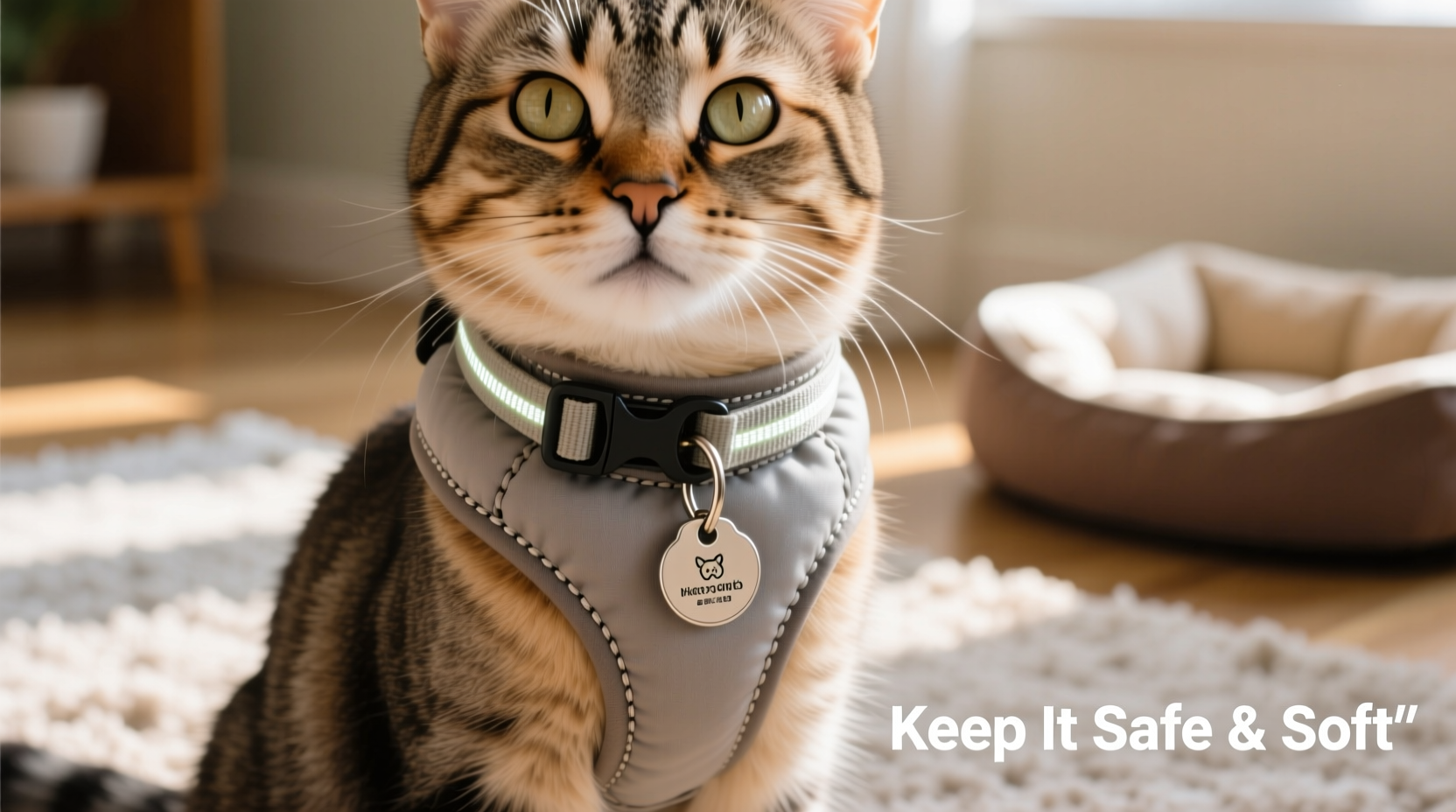
The foundation of a secure and comfortable collar begins with selection. Not all collars are created equal, and using the wrong type increases risks of injury, loss, or skin irritation.
Breakaway collars are widely recommended by veterinarians and animal behaviorists. These are designed with a specialized clasp that releases under sudden pressure—such as when a cat gets caught on furniture or tree branches. Unlike traditional buckles, which may hold fast and lead to strangulation, breakaway mechanisms prioritize feline safety.
Adjustable nylon collars remain popular due to their lightweight nature and variety of colors and patterns. However, ensure they feature reflective stitching for nighttime visibility and are made from non-abrasive materials. For tech-savvy owners, GPS-enabled collars offer real-time tracking, though these should be balanced against added weight and bulk.
Ensuring Proper Fit: The Two-Finger Rule
A collar that’s too tight restricts movement and circulation; one that’s too loose can snag or slip off. The ideal fit allows exactly two fingers to slide comfortably beneath the collar at the neck.
To check fit:
- Place the collar around your cat’s neck and fasten it securely.
- Gently insert your index and middle finger between the collar and the skin.
- If you cannot fit both fingers, loosen the strap. If more than two fingers fit easily, tighten it slightly.
Keep in mind that kittens grow quickly, so re-evaluate fit every few weeks. Adult cats may also experience weight fluctuations due to health, diet, or age, requiring periodic adjustments.
| Fit Issue | Signs to Watch For | Solution |
|---|---|---|
| Too Tight | Hair loss, redness, reluctance to wear collar | Loosen or replace with larger size |
| Too Loose | Collar slips over ears, hangs loosely | Tighten or trim excess length |
| Correct Fit | No chafing, moves slightly with motion, two fingers fit | Maintain and monitor weekly |
Daily Maintenance and Monitoring
Even the best-fitting collar requires routine inspection. Daily checks take less than a minute but can prevent serious issues.
- Inspect for wear: Look for frayed edges, cracked clasps, or stretched fabric.
- Check skin contact areas: Gently lift the collar to examine the skin underneath for redness, swelling, or sores.
- Test the breakaway function: Apply light but firm pressure to the clasp—most should release with moderate force, simulating entanglement.
Clean collars every 1–2 weeks using mild soap and warm water. Avoid harsh detergents or bleach, which can degrade materials and irritate sensitive skin. Air dry completely before reapplying.
“Daily collar checks are as important as checking food and water. A small tear or tight fit today could become a life-threatening issue tomorrow.” — Dr. Lena Torres, DVM, Feline Health Specialist
Gradual Introduction and Behavioral Acclimation
Many cats resist collars initially—not because of pain, but due to unfamiliar sensation. A rushed introduction often leads to pawing, chewing, or outright rejection.
A structured acclimation timeline improves acceptance:
- Day 1–2: Let your cat sniff and investigate the collar while it’s off-body. Offer treats nearby to create positive association.
- Day 3: Fasten the collar for 10–15 minutes under supervision. Remove it if signs of distress occur.
- Day 4–7: Gradually increase wear time by 30-minute increments daily.
- Day 8 onward: Allow continuous wear, monitoring closely for the first 48 hours.
If your cat scratches or shakes its head excessively, remove the collar temporarily and reassess fit or material. Some cats prefer softer silicone or padded neoprene options over standard nylon.
Real-World Example: Bella the Indoor-Outdoor Cat
Bella, a 3-year-old tabby from Portland, spent her days exploring a secure backyard. Her owner, Mark, initially avoided collars, fearing they’d get caught in bushes. After Bella went missing for six hours following a fence jump, he decided to try a breakaway collar with engraved ID tags.
Using the gradual acclimation method, Mark introduced the collar over nine days. He chose a bright blue reflective model with a soft inner lining. Within two weeks, Bella wore it full-time without resistance. Three months later, when she slipped out during a storm, a neighbor spotted her collar tags and called Mark immediately.
“That collar saved me weeks of searching,” Mark said. “Now I check it every morning. It’s part of our routine, like feeding her.”
Essential Checklist for Collar Safety
✅ Cat Collar Safety & Comfort Checklist
- ✔️ Collar has a functional breakaway clasp
- ✔️ Proper fit: two fingers fit beneath collar
- ✔️ Tags include current phone number and address
- ✔️ No signs of fraying, cracking, or deformation
- ✔️ Skin under collar is clean, dry, and unbroken
- ✔️ Cat shows no persistent scratching or agitation
- ✔️ Collar cleaned and inspected weekly
- ✔️ Extra half-inch of adjustment room for growth (for kittens)
Frequently Asked Questions
Can my cat choke on a breakaway collar?
No—if properly designed and used. Breakaway collars are engineered to release under sustained pressure, significantly reducing choking risk compared to fixed buckles. They are endorsed by major veterinary associations for this reason.
Should I leave the collar on when my cat is indoors?
Yes, provided it fits correctly and is monitored. Accidents can happen indoors—cats can get collars caught in blinds, furniture, or doors. The breakaway feature mitigates this risk, making continuous wear safer than intermittent use.
How often should I replace my cat’s collar?
Every 6–12 months, or sooner if signs of wear appear. Exposure to moisture, dirt, and constant movement degrades materials over time. Even high-quality collars lose elasticity and clasp integrity with prolonged use.
Final Thoughts: Security Through Consistency
A secure, comfortable collar isn’t a one-time setup—it’s an ongoing commitment to your cat’s well-being. From selecting the right breakaway design to maintaining fit and cleanliness, each step plays a role in preventing loss, injury, and stress. By integrating simple checks into your daily routine and respecting your cat’s adaptation process, you create a system where safety and comfort coexist.




 浙公网安备
33010002000092号
浙公网安备
33010002000092号 浙B2-20120091-4
Comments
No comments yet. Why don't you start the discussion?