
Dressing dogs in clothing has become increasingly common, whether for fashion, protection from the elements, or medical reasons. However, while a stylish sweater or cooling vest might seem harmless, improper use—especially in warm weather—can lead to overheating, discomfort, or even heatstroke. Unlike humans, dogs primarily regulate body temperature through panting and limited sweat glands in their paw pads, making them more vulnerable to heat stress when insulated by fabric. Understanding how to balance the benefits of dog apparel with thermal safety is essential for responsible pet ownership.
Choose Breathable, Lightweight Fabrics
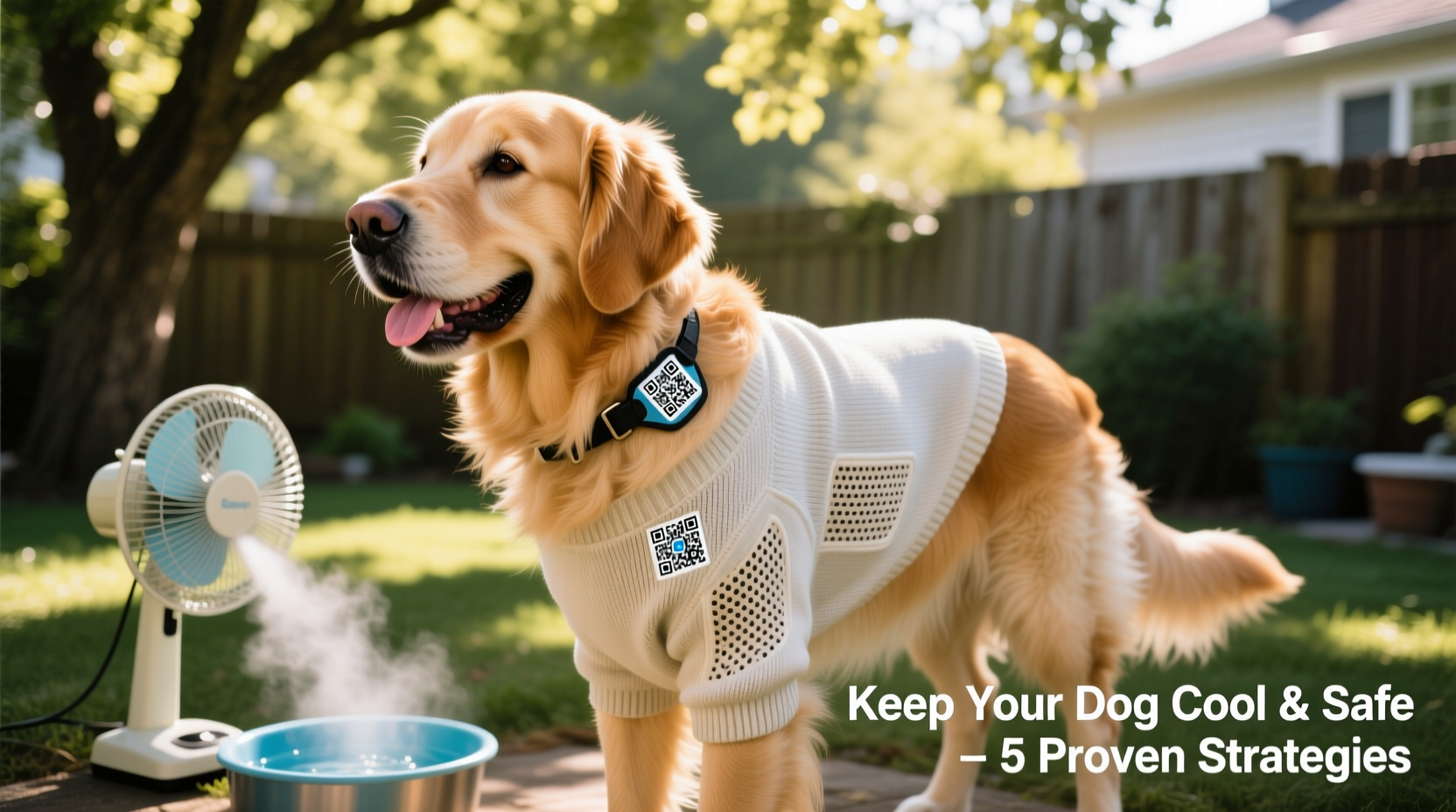
The material of your dog’s clothing plays a crucial role in their ability to stay cool. Synthetic fabrics like polyester or nylon trap heat and moisture, increasing the risk of overheating. Instead, opt for natural, breathable textiles such as cotton, bamboo, or mesh blends that allow air circulation and wick away moisture.
Look for garments labeled as “cooling,” “ventilated,” or “moisture-wicking.” Some high-performance dog shirts incorporate UV protection without sacrificing breathability—ideal for outdoor activities during daylight hours. Avoid tight-fitting designs that restrict movement or cover large portions of the body unless medically necessary.
Monitor Duration and Environmental Conditions
Even the most breathable dog clothing should not be worn indefinitely. Extended wear, especially in temperatures above 75°F (24°C), increases the risk of heat retention. Limit clothing use to short durations such as photo sessions, walks, or brief outdoor exposure. Indoors, remove clothes once inside unless your dog has a medical condition requiring consistent coverage.
Avoid dressing your dog in clothes during peak sun hours (10 a.m. to 4 p.m.) or on humid days when heat dissipation is already compromised. If your dog must wear protective gear—such as post-surgery recovery suits—ensure the environment is climate-controlled and monitor them closely for signs of distress.
“Clothing can impair a dog’s natural thermoregulation. Owners must weigh necessity against comfort, especially in warm climates.” — Dr. Lena Patel, Veterinary Dermatologist and Animal Welfare Advocate
Hydration and Active Cooling Measures
When your dog wears clothing outdoors, maintain strict hydration protocols. Carry water and offer frequent breaks in shaded areas. Consider using evaporative cooling vests designed specifically for dogs—these absorb water and gradually release cooling vapor without trapping excessive heat.
Pair clothing use with other cooling strategies:
- Walk during cooler parts of the day (early morning or evening)
- Use cooling mats or damp towels at rest stops
- Allow access to shallow water for paw soaking
- Avoid asphalt or concrete surfaces that radiate heat
If your dog shows any reluctance to move, excessive panting, or drooling while clothed, remove the garment immediately and initiate cooling procedures: wet their paws, provide water, and seek shade.
Clothing Safety Checklist
Before putting any clothing on your dog, run through this practical checklist to ensure safety and comfort:
- Fabric Type: Is it lightweight and breathable (e.g., cotton, mesh)?
- Fit: Does it allow full range of motion without chafing or constriction?
- Coverage: Does it leave critical areas (armpits, groin, back) exposed for airflow?
- Weather Match: Is it appropriate for current temperature and humidity?
- Duration: Will the clothing be worn for less than 30 minutes in warm conditions?
- Behavioral Check: Is your dog calm, moving freely, and not trying to remove the garment?
- Hydration Plan: Do you have water and cooling options available if needed?
Recognizing Signs of Overheating
Dogs cannot verbally communicate discomfort, so owners must be vigilant about behavioral and physical cues. When wearing clothes, these signs may appear more quickly due to restricted heat loss.
| Early Warning Signs | Action Required |
|---|---|
| Excessive panting or rapid breathing | Remove clothing, offer water, move to shade |
| Lethargy or reluctance to walk | Stop activity, assess temperature, cool down |
| Red or dry gums | Indicates dehydration; begin cooling protocol |
| Whining or agitation | Possible distress from overheating or restriction |
| Vomiting or uncoordinated movement | Emergency sign—seek veterinary care immediately |
Never ignore subtle changes in behavior. A dog that suddenly stops walking, lies down frequently, or avoids eye contact may be signaling distress long before collapse occurs.
Real-Life Scenario: The Summer Parade Incident
In Austin, Texas, a Pomeranian named Milo participated in a community parade wearing a custom festival-themed outfit. Though made of cotton, the costume covered his torso and legs entirely. Temperatures reached 89°F (32°C) with high humidity. Within 20 minutes, Milo began stumbling and refused to continue. His owner removed the clothing and poured water over his paws. By the time they reached a shaded area, Milo was vomiting and disoriented. He was rushed to an emergency clinic and diagnosed with early-stage heat exhaustion.
The veterinarian emphasized that even “light” fabrics can be dangerous when combined with activity, sun exposure, and inadequate ventilation. After recovery, Milo’s owner switched to a UV-protective mesh shirt with open sides and now limits costume use to indoor events or photos with close monitoring.
Step-by-Step Guide: Dressing Your Dog Safely in Warm Weather
Follow this sequence to minimize risks when clothing your dog in non-cool conditions:
- Assess the weather: Check temperature, humidity, and UV index. Avoid dressing if above 75°F (24°C).
- Select appropriate attire: Choose minimal-coverage, breathable clothing with no elastic tightness.
- Familiarize your dog: Allow them to wear the item indoors for 5–10 minutes first to check for stress.
- Time the outing: Schedule walks or events during cooler hours.
- Monitor continuously: Watch for panting, slowing pace, or attempts to remove the clothing.
- Carry essentials: Bring water, a collapsible bowl, and a damp towel.
- Set a time limit: Remove clothing after 20–30 minutes, even if no symptoms appear.
- Debrief afterward: Observe your dog for delayed signs of fatigue or discomfort.
Frequently Asked Questions
Can dogs overheat even in light clothing?
Yes. Even thin fabrics reduce airflow over the skin and can interfere with natural cooling. Combined with activity or warm environments, this can lead to overheating—especially in brachycephalic breeds like Bulldogs or Pugs.
Are cooling vests better than regular dog clothes?
Cooling vests are designed to lower body temperature through evaporation and are generally safer than standard clothing in heat. However, they require pre-soaking and periodic re-wetting to remain effective. They should not replace shade and hydration but serve as a supplementary tool.
How do I know if my dog likes wearing clothes?
A comfortable dog will move normally, respond to commands, and show no signs of scratching or biting at the garment. Signs of dislike include tucking the tail, crouching, refusing to walk, or attempting to remove the clothing. Respect their signals—clothing should never cause stress.
Conclusion: Prioritize Comfort Over Cuteness
Dressing your dog can be fun and functional, but safety must always come first. With rising global temperatures and increased outdoor activity, the risks of overheating are real and potentially life-threatening. By choosing breathable materials, limiting wear time, staying alert to warning signs, and planning ahead, you can enjoy the benefits of dog clothing without compromising well-being.




 浙公网安备
33010002000092号
浙公网安备
33010002000092号 浙B2-20120091-4
Comments
No comments yet. Why don't you start the discussion?